The Prefrontal Cortex Mind
Enhancing Prefrontal Cortex Function
Training Your Brain's CEO
As we've seen, the prefrontal cortex is remarkably adaptable, a concept known as neuroplasticity. This means its capabilities aren't set in stone. Just like a muscle, the PFC can be strengthened with the right kinds of exercise and care. You can actively enhance its executive functions, emotional regulation, and social cognition.
This isn't about becoming a different person, but about helping your brain's CEO operate at its best. The strategies range from targeted mental workouts to simple lifestyle adjustments, all grounded in the brain's ability to change and grow.
Practicing demanding cognitive tasks (e.g., dual-N-back, complex span, mentally rotating shapes) can strengthen working memory and bolster fluid reasoning by reinforcing neural circuits associated with attention and executive control.
Cognitive training involves exercises designed to challenge specific brain functions. Think of it as a targeted gym routine for your mind. For example, n-back tasks, where you have to remember an item from several steps back in a sequence, directly train your working memory. Games that require you to quickly switch between different sets of rules can improve your cognitive flexibility.
The goal of these exercises is to push your cognitive limits in a structured way. This mental effort stimulates neural pathways in the prefrontal cortex, encouraging them to become more efficient.
The key to cognitive training is consistency. A single brain game won't make a lasting difference, but regular, challenging practice can build durable cognitive strength over time.
Lifestyle's Powerful Influence
Beyond targeted exercises, your daily habits play a massive role in PFC health. What you eat and how much you move have direct effects on your brain's structure and function.
Physical exercise is a powerful tool. Aerobic activities like running, swimming, or cycling increase blood flow to the brain, delivering more oxygen and nutrients. This process supports the growth of new neurons and strengthens connections within the PFC. Research shows that regular exercise can lead to measurable improvements in executive functions and memory.
Diet is just as crucial. The brain needs a steady supply of high-quality fuel. A diet rich in omega-3 fatty acids, found in foods like fish and walnuts, helps build and maintain brain cell membranes. Antioxidants, abundant in berries, leafy greens, and other colorful fruits and vegetables, protect brain cells from damage. Conversely, diets high in sugar and processed foods can promote inflammation, which is detrimental to brain health and PFC function.
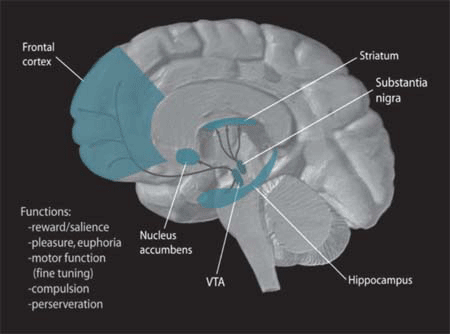
Finally, don't underestimate sleep. During deep sleep, your brain clears out metabolic waste products that accumulate during waking hours. This cleaning process is vital for maintaining healthy neural circuits. Chronic sleep deprivation impairs the PFC's ability to function, leading to problems with attention, decision-making, and emotional control.
Mindfulness and Meditation
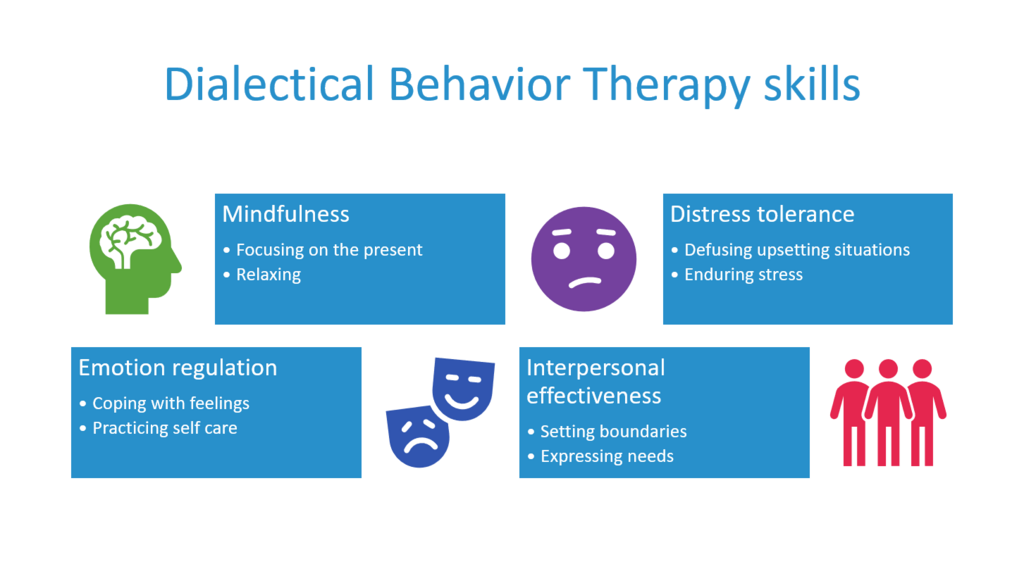
Mindfulness is the practice of paying attention to the present moment without judgment. It's a form of mental training that directly engages and strengthens the prefrontal cortex, particularly regions involved in attention control and emotional regulation.
Regular practice of mindfulness can improve focus, attention, and cognitive performance, making it easier to manage our stress triggers and avoid feelings of overwhelm.
When you practice mindfulness meditation, you're repeatedly guiding your attention back to a focal point, such as your breath, whenever it wanders. This simple act is an exercise for the PFC. It strengthens the neural circuits responsible for inhibitory control (tamping down distractions) and cognitive flexibility (shifting your focus intentionally).
Over time, this practice can lead to structural changes in the brain. Studies have shown that long-term meditators have increased gray matter density in parts of the prefrontal cortex. This translates to better emotional regulation, reduced stress, and an improved ability to stay focused on tasks.
Therapeutic Approaches
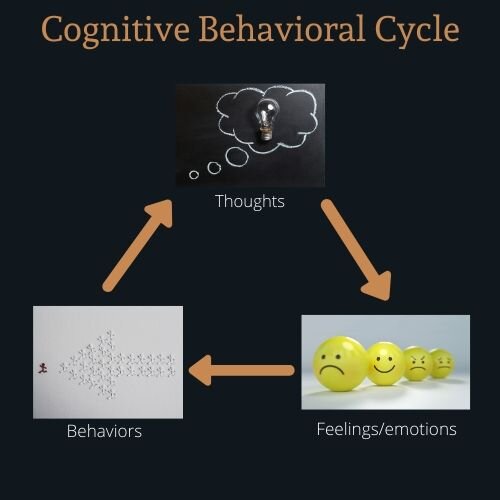
For those who need more structured support, several therapeutic interventions can enhance PFC function. Cognitive Behavioral Therapy (CBT) is one of the most well-established methods. CBT helps individuals identify and change negative thought patterns and behaviors.
This process is essentially a workout for the PFC. By consciously evaluating your thoughts, you engage the dorsolateral prefrontal cortex, which is involved in reasoning and cognitive flexibility. By practicing new behavioral responses, you strengthen your PFC's inhibitory control over more automatic, emotional reactions from deeper brain regions like the amygdala.
Another promising area is neurofeedback. This technique involves monitoring a person's brainwave activity in real time and providing feedback, often through a visual or auditory signal. The goal is to teach individuals to consciously regulate their own brain activity. For example, a person might learn to increase brainwave patterns associated with focus and attention, which are regulated by the PFC.
These approaches show that enhancing our brain's executive control center is an achievable goal. Through a combination of mental training, healthy lifestyle choices, and targeted therapies, we can support and improve the function of our prefrontal cortex.
What does the concept of neuroplasticity, as it relates to the prefrontal cortex (PFC), primarily suggest?
Which of the following is an example of a 'targeted mental workout' specifically designed to train working memory, a key function of the PFC?
Improving the function of your prefrontal cortex is an ongoing process of building healthy habits for both mind and body.