The Prefrontal Cortex Mind
Introduction to the Frontal Lobes
The Brain's Conductor
Tucked right behind your forehead are the frontal lobes, the largest and most recently evolved parts of the human brain. They occupy a significant piece of real estate in your skull, extending from the front all the way to a major groove called the central sulcus. Think of them as the brain's executive suite, responsible for overseeing a vast range of critical operations.
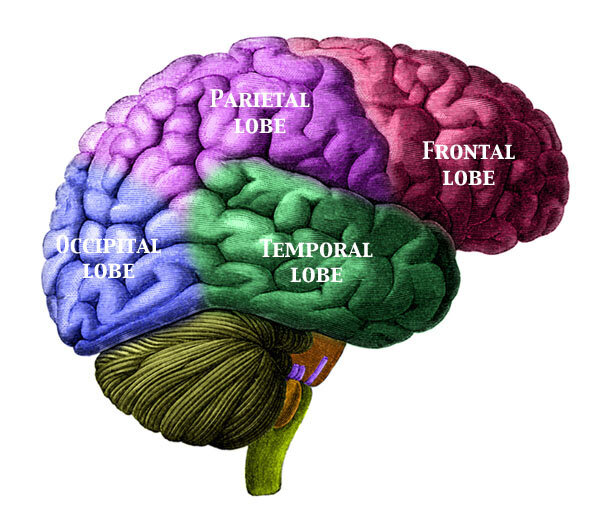
These lobes are what make us quintessentially human. They house the neural machinery for our most complex thoughts, goal-directed behaviors, and personality traits. Without them, we wouldn't be able to plan for the future, solve tricky problems, or navigate the complex world of social interactions.
Movement and Action
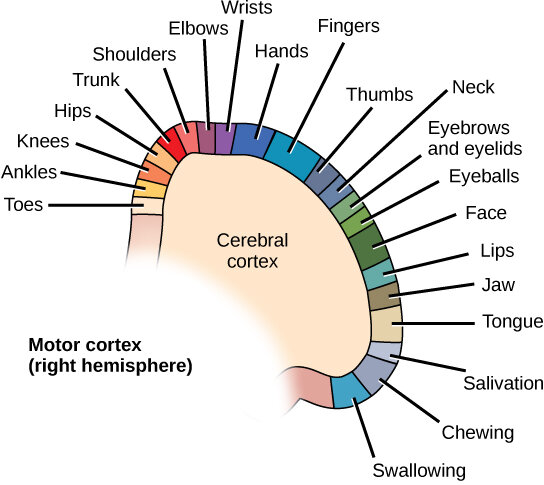
One of the most fundamental jobs of the frontal lobes is controlling voluntary movement. At the very back of the frontal lobe lies a strip of tissue called the primary motor cortex. This area is like a command center for action.
Every time you decide to move—whether it's waving to a friend, typing an email, or kicking a ball—the motor cortex is at work. It sends signals down the spinal cord to the specific muscles needed to carry out the action. The motor cortex is meticulously organized, with different parts dedicated to controlling different body parts. For instance, the area controlling your fingers is much larger than the area for your toes, reflecting the fine-tuned dexterity of our hands.
But the frontal lobes don't just execute movements; they also plan and sequence them. Before you even lift a finger, other parts of the frontal lobe have already figured out the goal, organized the necessary steps, and decided that now is the right time to act. This planning function is crucial for any complex, multi-step task.
Thinking and Personality
Beyond movement, the frontal lobes are central to our cognitive abilities and personality. They are the seat of our 'executive functions,' a set of mental skills that help us get things done.
These functions include:
- Problem-solving: Sizing up a situation and figuring out a path to a solution.
- Memory: Specifically, working memory, which allows you to hold information in your mind while you use it, like remembering a phone number just long enough to dial it.
- Judgment and Impulse Control: Weighing the consequences of an action and stopping yourself from doing something you might regret. This is the part of your brain that tells you not to eat the entire cake in one sitting.
- Language: While multiple brain areas are involved in language, a specific region in the frontal lobe called Broca's area is critical for producing speech. It helps us form grammatically correct sentences.
Damage to the frontal lobes can drastically alter a person's personality, making them more impulsive, apathetic, or socially inappropriate. The famous case of Phineas Gage, a railroad worker who survived an iron rod passing through his frontal lobes, is a classic example of this.
The frontal lobes also govern our ability to initiate actions and be spontaneous. They provide the mental 'spark' to start a task or come up with a new idea. Essentially, they are the hub for planning, decision-making, and moderating our social behavior to fit the situation. They take in information from other brain regions and decide what to do with it, acting as the ultimate conductor of the symphony of our mind.