Mastering Soccer Game Techniques
Defensive Strategies
The Art of Defending
You've learned how to control, pass, and shoot the ball. Now it's time to learn how to win it back. Good defense isn't just about stopping goals; it's about controlling the pace of the game and creating opportunities for your own team to attack. A strong defense is the foundation of any successful team.
Individual Skills
Before you can work as a unit, you need to master the core skills of a defender. It all starts with how you approach an attacker who has the ball. Your first job isn't always to take the ball, but to slow them down and control their movement. This is called jockeying.
Jockeying
verb
The defensive technique of containing an opponent with the ball by staying in front of them, delaying their advance, and forcing them into less dangerous areas.
When jockeying, you want to get into a low, side-on stance. Stay on the balls of your feet so you can react quickly. Your goal is to show the attacker one direction, usually away from the goal and towards the sideline. Don't lunge in. Be patient and wait for the attacker to make a mistake.
Once you've slowed the attacker, you might have a chance to tackle them. A tackle is a precise action to dispossess an opponent. Timing is everything. A poorly timed tackle can result in a foul or let the attacker get past you. There are two main types of tackles to learn first.
| Tackle Type | Description | When to Use |
|---|---|---|
| Block Tackle | Use the inside of your foot to block the ball as the attacker tries to push it past you. | When you are face-to-face with an attacker and they expose the ball. |
| Slide Tackle | A sliding lunge along the ground to kick the ball away. | As a last resort, when an attacker is about to get past you or take a shot. |
Always focus on the ball, not the player's feet or body movements. A good attacker will try to trick you, but the ball tells the true story.
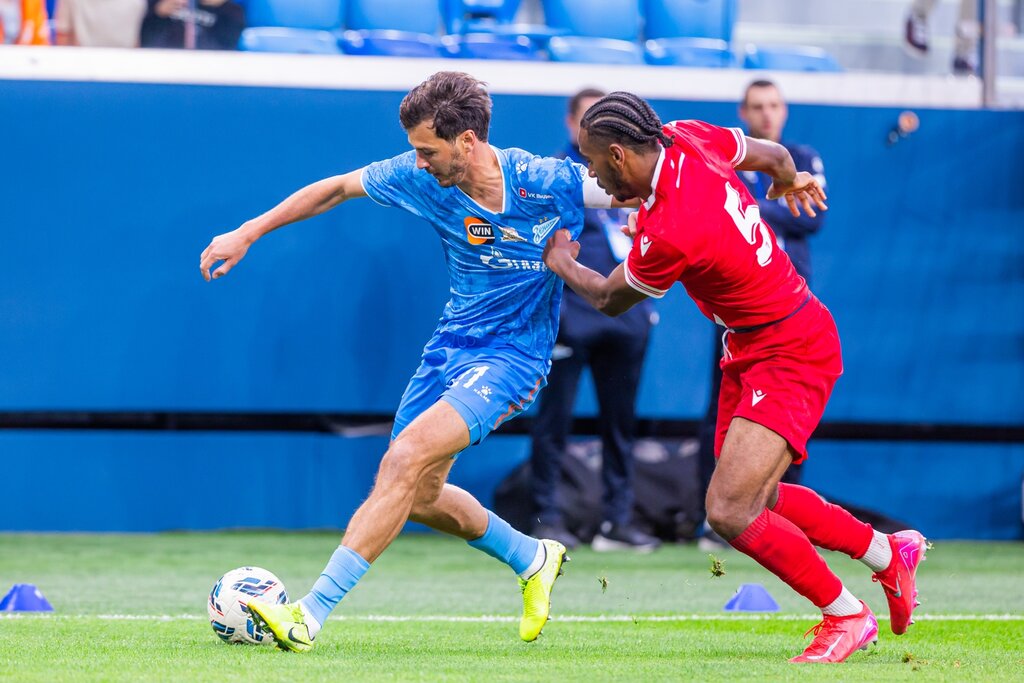
When you don't have the ball, your job is to mark an opponent. This means staying close enough to prevent them from receiving a pass easily. The most important rule of marking is to stay 'goal-side.' This means you should always position yourself between the player you're marking and your own goal. From there, try to see both the ball and your opponent at all times.
Team Defense
Defense is a team effort. Even with great individual defenders, a team will concede goals if they don't work together. The key is maintaining a good defensive shape. Think of the defenders as being connected by invisible strings. When one player moves, the others adjust to maintain their formation and spacing.
A compact shape makes it difficult for the opposing team to pass through your defense. When your team loses the ball, the first priority is to get back into this defensive shape. This involves applying pressure to the player with the ball while other defenders cover the dangerous spaces and passing options. Communication is critical. You need to constantly talk to your teammates, telling them who to mark and where the danger is.
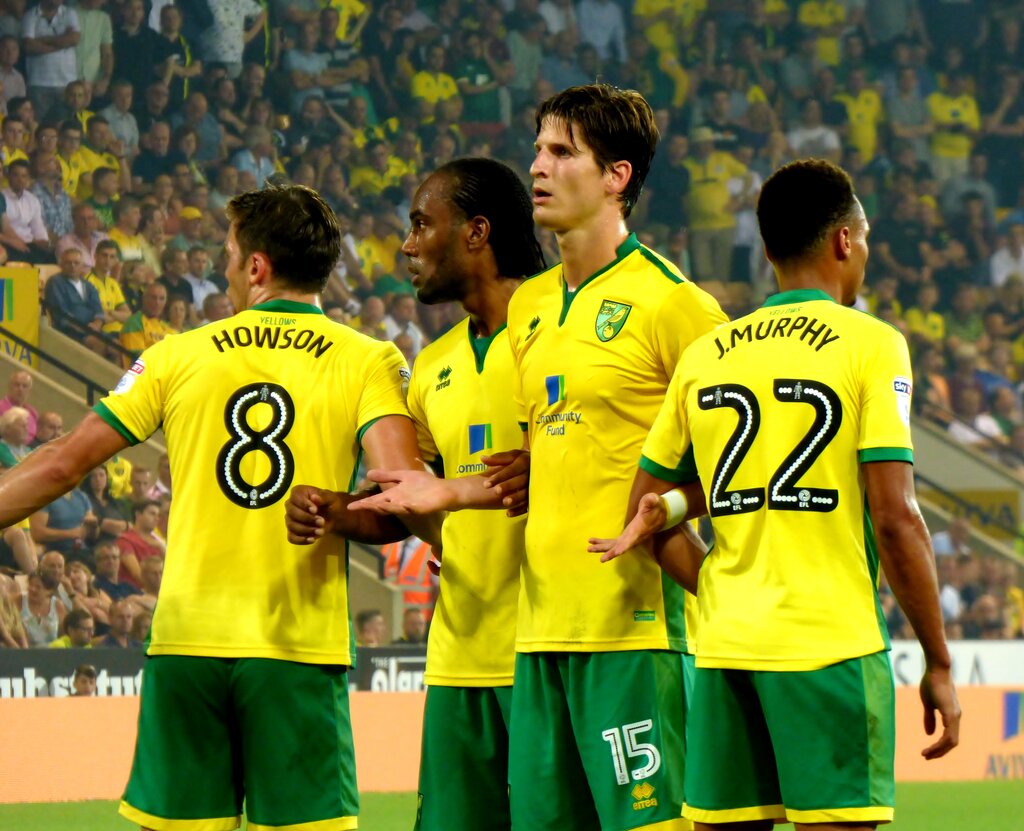
When defending 1v1’s in soccer it is very important to focus on the following key elements:
To practice these concepts, drills like 2v2 exercises are perfect. They force defenders to communicate and decide when to pressure the ball and when to provide cover for their teammate. Small-sided games also naturally recreate the defensive challenges you'll face in a full match.
What is the primary goal when "jockeying" an attacker with the ball?
When marking an opponent, the most important rule is to stay "goal-side." What does this mean?
Mastering these defensive fundamentals will make you a more complete and valuable player on any part of the field.