CISSP Certification Essentials
Software Development Security
Building Security In, Not Bolting It On
In the past, software security was often treated like a final inspection. Teams would build an entire application, and just before launch, they'd hand it over to a security team to check for problems. This approach is slow, expensive, and often ineffective. It’s like building a house and only checking the foundation after the roof is on. If you find a major flaw, you have to tear things down and start over.
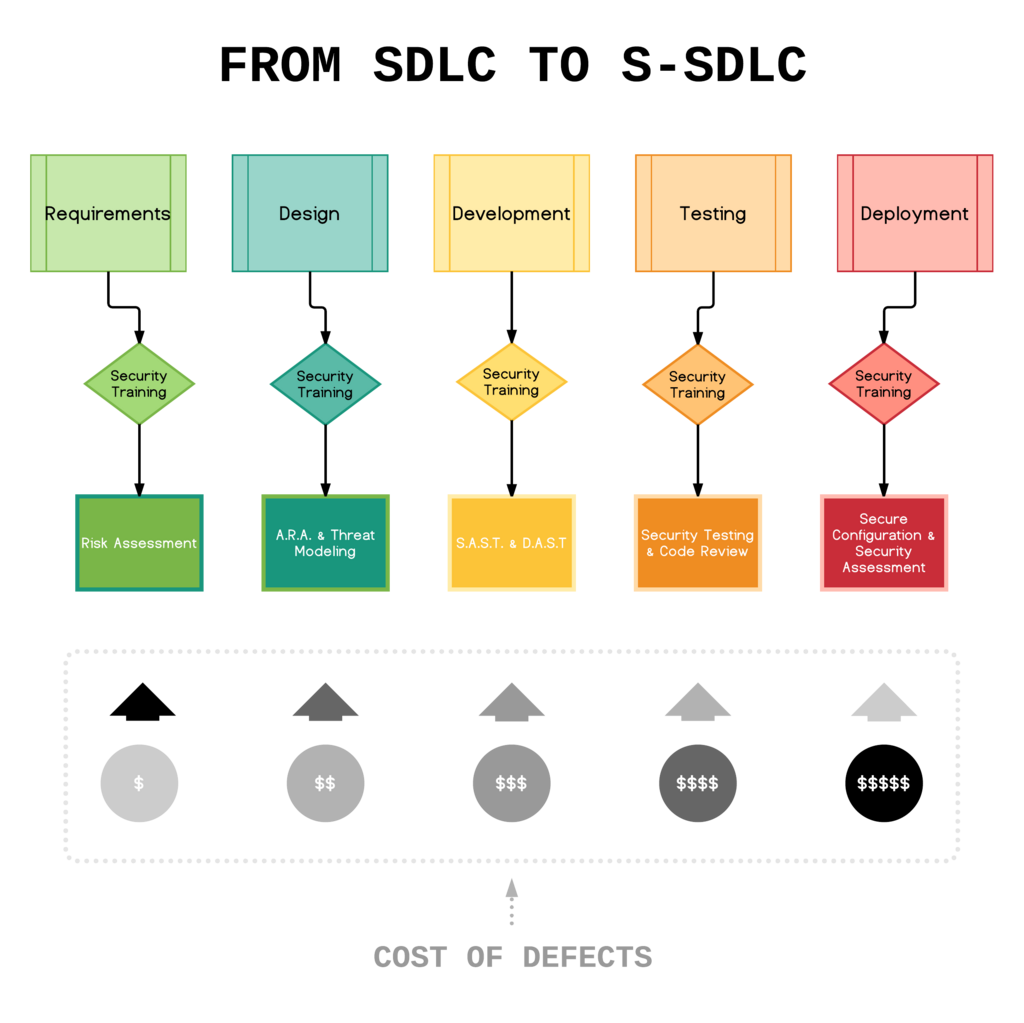
The modern approach is to weave security into every step of the software development lifecycle (SDLC). This is often called “shifting left,” which means moving security practices earlier in the timeline. Instead of being a final gate, security becomes a shared responsibility for everyone involved, from planning and design to coding and deployment.
True DevSecOps requires embedding security into every stage of the software development lifecycle (SDLC).
When security is part of the process from the beginning, developers can catch and fix vulnerabilities while they’re still small and easy to manage. This creates a more resilient product without sacrificing speed.
Writing Code That’s Hard to Break
Secure development starts with secure coding. This doesn't require being a security expert, but it does mean following established principles to write code that's naturally resistant to common attacks.
Think of it like defensive driving. You follow certain rules—checking your blind spots, keeping a safe distance—not because you expect a crash, but to minimize the risk if something unexpected happens.
Some core principles of secure coding include:
- Validate all input: Never trust data coming from a user or another system. Treat all inputs as potentially malicious until they’ve been checked and cleaned. This is the single most important rule for preventing many types of attacks.
- Principle of least privilege: A piece of code should only have the minimum permissions it needs to do its job. If a component for uploading a profile picture can also access the database of user passwords, that's a major risk waiting to happen.
- Keep it simple: Complex code is harder to understand and harder to secure. Simple, straightforward code has fewer hidden corners where vulnerabilities can lurk.
- Fail securely: When an application encounters an error, it shouldn't crash in a way that reveals sensitive information, like database connection details or file paths. Error messages should be generic for the user but detailed for internal logs.
Testing for Weaknesses
Writing secure code is the first step, but you still need to test for weaknesses. Software security testing isn't a single event but a continuous process of looking for vulnerabilities. There are several ways to do this, often automated and integrated directly into the development workflow.
| Testing Type | How It Works | Best For Finding... |
|---|---|---|
| Static Analysis (SAST) | Scans the application's source code without running it. | Coding errors, like using unsafe functions or not validating input. |
| Dynamic Analysis (DAST) | Tests the application while it's running, simulating attacks from the outside. | Runtime issues, like how the app responds to malicious requests. |
| Software Composition Analysis (SCA) | Identifies all the open-source libraries and components in an application. | Known vulnerabilities in third-party code. |
These tests can be automatically triggered whenever a developer submits new code. If a test finds a potential vulnerability, it can block the code from being merged until the issue is fixed. This provides immediate feedback and keeps the main codebase clean.
Managing Vulnerabilities
No software is perfect. Despite best efforts, vulnerabilities will be discovered. The key is how you manage them. A mature vulnerability management process involves identifying, assessing, and fixing flaws in a structured way.
The first step is identifying vulnerabilities, which can come from security tests, bug reports from users, or public disclosures. Once a vulnerability is found, it needs to be assessed. Not all flaws are created equal. A bug that lets an attacker take over the entire system is far more critical than one that slightly messes up a page's layout.
Teams often use a scoring system, like the Common Vulnerability Scoring System (CVSS), to rank vulnerabilities based on their severity. This helps prioritize what to fix first. Critical and high-severity issues should be addressed immediately, while lower-priority ones can be scheduled for a future update.
This process ensures that engineering effort is focused where it matters most, protecting the system from the greatest risks without getting bogged down by minor issues.
Finally, fixing the vulnerability and deploying a patch is crucial. This also includes keeping all third-party libraries and dependencies up to date, as they are a common source of security holes.
Time to check what you've learned about securing the software development process.
What does the term “shifting left” mean in the context of software security?
A web form that allows users to update their profile information crashes and displays a detailed database error message on the screen. Which secure coding principle has been violated?
By integrating security from the start, following secure coding practices, and managing vulnerabilities effectively, organizations can build software that is not only functional but also resilient.