CISSP Certification Essentials
Security Assessment and Testing
Are Your Defenses Working?
You've designed a secure architecture, set up network controls, and managed access carefully. But how do you know if your security measures are actually effective? It’s not enough to build a fortress; you have to test its walls.
Evaluating security controls means checking that they work as intended. This isn't a one-time task. It's an ongoing process of verification and validation. Verification asks, "Did we build the control correctly?" Validation asks, "Did we build the correct control?"
Think of it like building a bank vault. Verification checks that the steel door was manufactured to the right specifications. Validation confirms that a steel door was the right choice in the first place, and not a wooden one that's easier to break through. Both are essential for confirming your security posture—the overall state of your cybersecurity readiness.
A comprehensive risk assessment plan covers the breadth of these elements, implementing continuous monitoring tools that can detect, report, and analyze risks in real time.
This process involves regularly examining your controls to ensure they still meet the security requirements you defined back in the planning stages. Are they preventing unauthorized access? Are they protecting the integrity and confidentiality of your assets? These checks confirm that your security investments are paying off.
Finding the Cracks
One of the first steps in testing your defenses is to look for known weaknesses. This is where vulnerability assessments come in. A vulnerability assessment is an automated scan of your systems and networks to identify potential security holes. It uses a database of known vulnerabilities to see if any match your configuration.
Imagine a building inspector with a checklist. They walk through a building, checking for common problems like faulty wiring or weak foundations. They aren't trying to break in; they're systematically identifying potential points of failure. Similarly, a vulnerability scanner checks for things like outdated software, missing security patches, or common misconfigurations.
Vulnerability
noun
A weakness in a system, process, or control that could be exploited by a threat.
The output of a vulnerability assessment is typically a report that lists all the potential weaknesses it found, often prioritized by severity. This gives you a clear to-do list for strengthening your defenses. The goal is to find and fix the cracks before an attacker can.
Simulating an Attack
While a vulnerability assessment finds potential weaknesses, a penetration test tries to actively exploit them. Penetration testing, or pen testing, is a simulated cyberattack against your systems, conducted by ethical hackers in a controlled way.
If a vulnerability scan is like a building inspector's checklist, a pen test is like hiring a team to try and break into your building. They might pick the locks, try to climb through a window, or trick an employee into letting them in. Their goal is to see if they can bypass your security controls and gain access to sensitive areas.
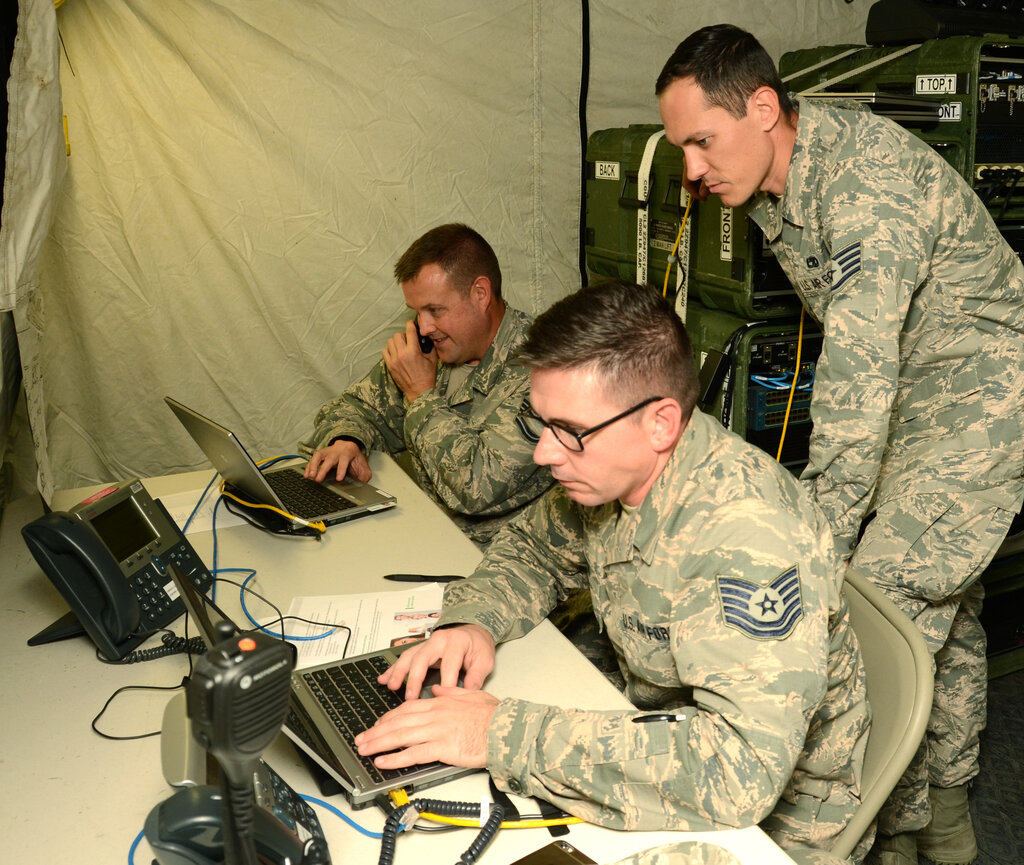
Penetration testers use the same tools and techniques as malicious attackers, but with your permission. They think creatively to chain together multiple, low-risk vulnerabilities to create a significant security breach. This helps you understand the real-world impact of your security weaknesses.
There are different types of pen tests:
- White Box: The testers have full knowledge of your systems, including source code and architecture diagrams.
- Black Box: The testers have no prior knowledge of your systems and must discover everything on their own, just like a real external attacker.
- Gray Box: The testers have some limited knowledge, such as user-level credentials, to simulate an attack from an insider or someone who has already breached the perimeter.
| Method | Goal | Approach |
|---|---|---|
| Vulnerability Assessment | Identify a wide range of known vulnerabilities. | Automated scanning based on a database of weaknesses. |
| Penetration Testing | Exploit vulnerabilities to determine real-world risk. | Manual, goal-oriented attack simulation by ethical hackers. |
The Formal Review
A security audit is a more formal, systematic evaluation of your security posture. Unlike a pen test, which is often focused on technical vulnerabilities, an audit takes a broader look at your security policies, procedures, and controls. It's a structured review to determine if you are compliant with regulations, industry standards, or your own internal policies.
Auditors typically work from a set framework or standard, like ISO 27001 or NIST. They gather evidence by reviewing documentation, interviewing staff, and observing processes. The goal is to get an objective, point-in-time assessment of your security program. The output is a formal report that identifies areas of non-compliance and provides recommendations for improvement.
An audit checks if you are doing what you say you are doing and if what you are doing is effective.
After any assessment, test, or audit, the most important step is analyzing the results. A long list of vulnerabilities is useless if you don't act on it. The findings must be analyzed to understand the root causes, prioritize fixes based on risk, and track remediation efforts. This analysis feeds directly back into your risk management process, creating a continuous cycle of improvement. Each test makes you stronger and better prepared for a real attack.
Ready to check your understanding of security assessment and testing?
An organization confirms that its newly installed firewall is configured according to the manufacturer's best practices and internal security policy. This process is an example of what?
Which of the following security assessments is analogous to hiring a team to try and break into your building to test its physical security?
By regularly testing your defenses, you move from hoping you're secure to knowing you are.