ADHD Management with CBT and DBT
Understanding ADHD
What is ADHD?
Attention-Deficit/Hyperactivity Disorder, or ADHD, is a neurodevelopmental condition. This means it stems from differences in how the brain develops and functions. It's not a matter of willpower or a character flaw; it's a difference in brain wiring that affects a person's ability to regulate attention, control impulses, and manage energy levels.
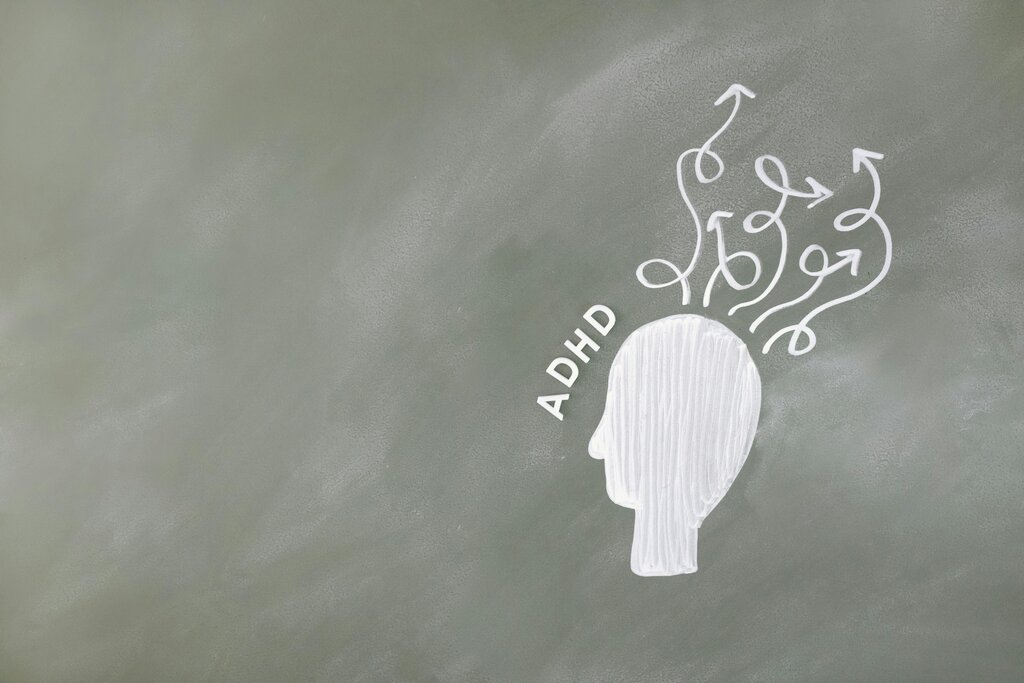
These differences impact what are known as executive functions. Think of executive functions as the brain's management system. They help you plan, organize, start tasks, regulate emotions, and keep track of time. When this system doesn't work as expected, it can create significant challenges in school, at work, and in personal relationships.
Historically considered a childhood disorder, ADHD is now recognized as a lifelong condition affecting both youth and adults.
The ADHD Brain
Specific brain regions and chemical messengers are involved in ADHD. Three key areas are the prefrontal cortex, the basal ganglia, and the anterior cingulate cortex.
The prefrontal cortex, located at the front of the brain, acts like a CEO. It's responsible for complex decision-making, planning, and moderating behavior. In people with ADHD, this area can be less active or develop more slowly, making it harder to stay organized and think through consequences.
The basal ganglia is a set of structures deep in the brain that helps regulate movement and process rewards. It plays a role in stopping automatic or impulsive behaviors. A key chemical messenger here is dopamine. When dopamine signaling is disrupted, the brain might struggle to put the brakes on an impulse or feel properly rewarded for completing a task.
Finally, the anterior cingulate cortex acts like a mental gear shifter. It helps you shift your attention, monitor your actions for errors, and regulate emotions. Issues here can make it difficult to switch from one task to another or to manage feelings of frustration and disappointment.
dopamine
noun
A neurotransmitter, or chemical messenger, in the brain that plays a major role in reward, motivation, memory, and attention.
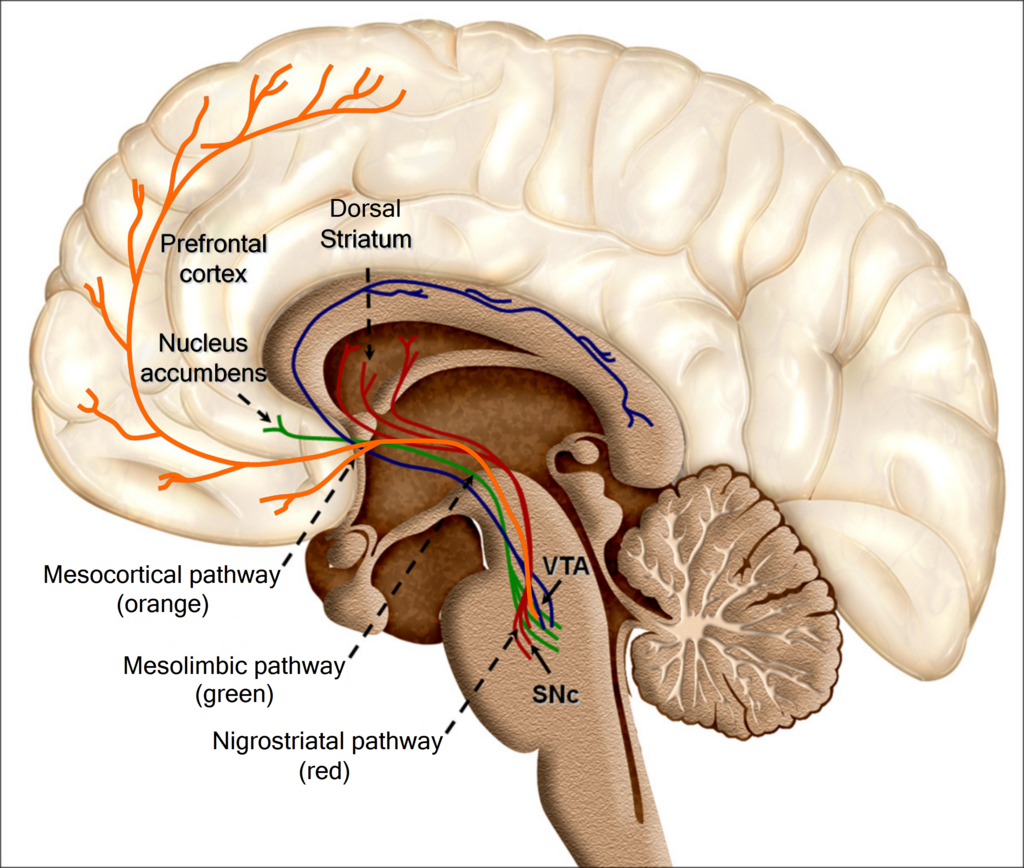
In short, the ADHD brain isn't broken. It just works differently, often seeking stimulation and struggling with tasks that don't provide an immediate sense of interest or reward.
Core Symptoms and Their Impact
ADHD symptoms are generally grouped into three categories: inattention, hyperactivity, and impulsivity. While many people experience these traits from time to time, for someone with ADHD, they are persistent and interfere with daily functioning.
Inattention is not an absence of attention, but rather an inability to regulate it. A person with ADHD might hyperfocus intensely on something they find interesting while being unable to engage with tasks they find boring, even if those tasks are important.
Inattention can look like:
- Difficulty staying on task or organizing activities
- Losing things like keys, wallets, or phones
- Seeming not to listen when spoken to directly
- Making careless mistakes at work or school
Hyperactivity often presents as physical restlessness in children, but in adults, it can be more subtle.
- Feeling an internal sense of restlessness or being constantly "on the go"
- Fidgeting, tapping hands or feet
- Talking excessively or finding it difficult to engage in quiet activities
Impulsivity is the tendency to act on a whim without fully considering the consequences.
- Interrupting others or blurting out answers
- Making hasty decisions, like sudden purchases or career changes
- Difficulty waiting your turn
Beyond the Obvious
The impact of ADHD goes beyond the core symptoms. One of the most significant but often overlooked challenges is emotional dysregulation. Because the brain's emotional control centers are affected, people with ADHD can experience emotions very intensely. They may have a low tolerance for frustration, quick flashes of anger, or periods of intense excitement.
This isn't a choice. The brain's wiring makes it harder to pump the brakes on a feeling once it starts. This can lead to relationship difficulties and low self-esteem, as the person may feel their emotional reactions are inappropriate or out of their control.
Enhancing Self-Esteem: Individuals with ADHD often struggle with low self-esteem because of difficulties with organization and focus, as well as patterns of criticism throughout their lives.
Another common issue is "time blindness," an inability to accurately sense the passage of time. This can make it incredibly difficult to estimate how long a task will take, leading to chronic lateness and missed deadlines. Understanding these foundational aspects of ADHD is the first step toward developing effective strategies for managing its challenges.