Understanding Heart Rate Variability
Introduction to HRV
Your Heart's Unsteady Rhythm
You might think your heart beats like a metronome, ticking away with perfect regularity. But that's not quite right. While your heart rate might be 60 beats per minute, the time between each of those beats isn't a perfect second. Sometimes it's 0.9 seconds, then 1.1 seconds, then 0.95 seconds. This constant, subtle fluctuation in the time interval between consecutive heartbeats is called Heart Rate Variability, or HRV.
Simply put, heart rate variability (HRV) measures the variation in time intervals between consecutive heartbeats, also known as R-R intervals.
A high variability isn't a sign of an erratic heart. On the contrary, it's a marker of a healthy, adaptable nervous system. A heart that can quickly adjust its pace—speeding up and slowing down as needed—is a heart that's responding well to the body's internal and external demands. It shows that your body is ready to react to whatever comes its way.
The Nervous System's Tug of War
So, what's causing these tiny changes in your heart's rhythm? The answer lies in your autonomic nervous system (ANS). This is the part of your nervous system that runs on autopilot, controlling vital functions like breathing, digestion, and, of course, your heartbeat. The ANS has two main branches that are in a constant state of push-and-pull, fine-tuning your body's responses.
The first branch is the sympathetic nervous system, often called the "fight-or-flight" system. Think of it as your body's gas pedal. When you're stressed, excited, or exercising, this system kicks in, releasing hormones that speed up your heart rate and prepare you for action.
The second branch is the parasympathetic nervous system, your "rest-and-digest" system. This is the brake pedal. It's dominant when you're relaxed, conserving energy and slowing your heart rate. The main nerve of this system is the vagus nerve, which acts directly on the heart's pacemaker to slow it down.
HRV is the result of these two systems sending signals to your heart simultaneously. A healthy, well-regulated body has a good balance between the two. When the parasympathetic system is active, it's constantly telling the heart to slow down, creating more variability between beats. This balance is key to resilience.
Why HRV Matters
HRV gives us a window into the health of our autonomic nervous system. A higher HRV is generally a sign of good health and fitness. It indicates that your nervous system is balanced and highly responsive, able to adapt to stress and environmental changes effectively. It's a hallmark of a resilient physiological system.
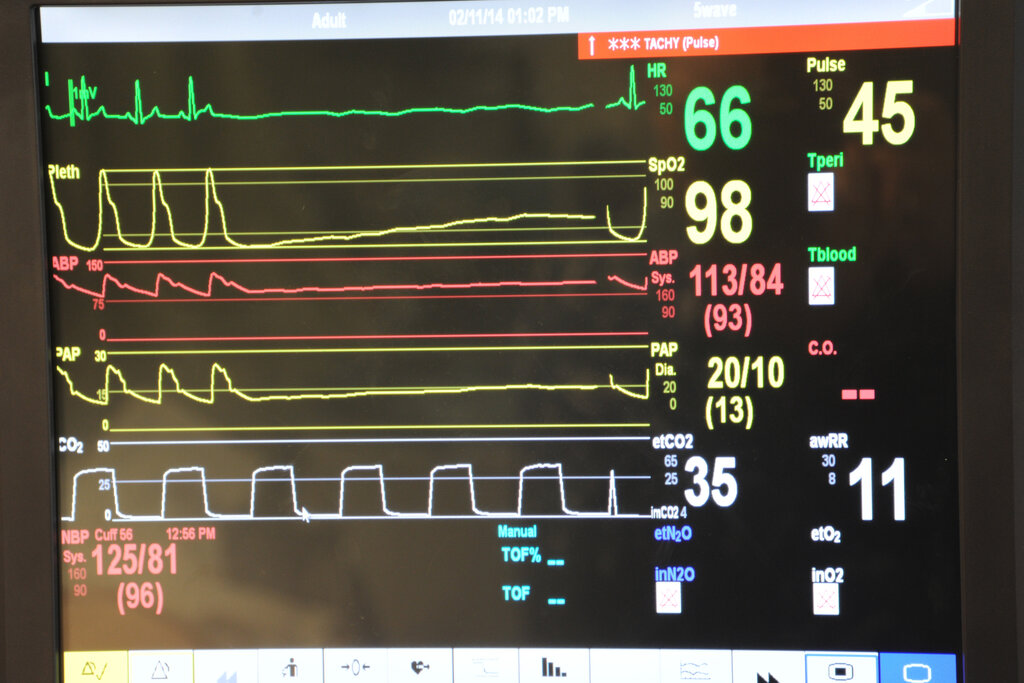
Conversely, a consistently low HRV can be a sign that the body is under stress, whether from poor sleep, overtraining, emotional turmoil, or illness. When the "fight-or-flight" system is in overdrive, the heart beats more like a metronome, with less variability between beats. This indicates that the body's braking system isn't working as effectively.
By understanding HRV, we gain a non-invasive way to assess our body's overall stress load and recovery status. It's a powerful bio-marker that reflects not just cardiovascular health, but the intricate dance between our heart and our brain.
What is Heart Rate Variability (HRV)?
A higher HRV is generally an indicator of what?