Understanding Geoengineering
Environmental and Ecological Impacts
Altering the Skies
Solar Radiation Management (SRM) techniques aim to cool the Earth by reflecting sunlight back into space. While that sounds straightforward, the effects on our planet's complex systems are anything but simple. Spraying aerosols into the stratosphere, for example, doesn't just turn down a global thermostat; it changes the rules of our climate system.
Climate models predict one of the biggest risks of SRM is its impact on water. By changing how much solar energy reaches different parts of the Earth, SRM could drastically alter global precipitation patterns. Some studies suggest that while it might cool the planet overall, it could weaken the summer monsoons in Asia and Africa, which billions of people rely on for agriculture. Other regions might see an increase in rainfall, but the shifts could be disruptive and unpredictable. We might trade a global warming problem for a global drought and flood problem.
Another major concern is what scientists call "termination shock." Imagine running a massive SRM program for decades, successfully masking the effects of rising greenhouse gases. If that program were suddenly stopped due to political conflict, economic collapse, or a natural disaster, the planet would experience extremely rapid warming. The temperature could shoot up by several degrees in just a decade or two, a rate far too fast for ecosystems and human societies to adapt.
If geoengineering was halted abruptly but emissions had not been reduced, there would be a termination shock of rapidly rising temperatures – 1-2C within a couple of decades – that would have severe effects on people and ecosystems unable to rapidly adapt.
Changing the Oceans
Carbon Dioxide Removal (CDR) techniques present a different set of ecological challenges, primarily focused on the oceans and land. Unlike SRM, which only masks a symptom of climate change (warming), CDR tries to address the root cause by removing CO₂ from the atmosphere. But the methods for doing so can have significant side effects.
Take ocean fertilization, the idea of adding iron to parts of the ocean to stimulate phytoplankton blooms. These tiny organisms absorb CO₂ through photosynthesis. When they die, they sink, theoretically taking the carbon with them to the deep ocean. But this process is fraught with risk.
A massive, artificial plankton bloom could drastically alter the local marine food web. It could also create large oxygen-depleted "dead zones" as the plankton decompose, harming fish and other marine life. Furthermore, some species of phytoplankton that might thrive in these conditions can produce potent neurotoxins, creating harmful algal blooms.
Trying to fix the carbon cycle by tinkering with ocean ecosystems could trigger a chain reaction, solving one problem by creating several new ones.
Other CDR methods have their own impacts. Enhanced weathering, which involves spreading crushed rock over large land areas, could affect soil pH and release heavy metals into local ecosystems and water supplies. Land-based methods like afforestation or BECCS (Bioenergy with Carbon Capture and Storage) would require enormous amounts of land and fresh water, potentially competing with food production and destroying natural habitats.
The Risk of the Unknown
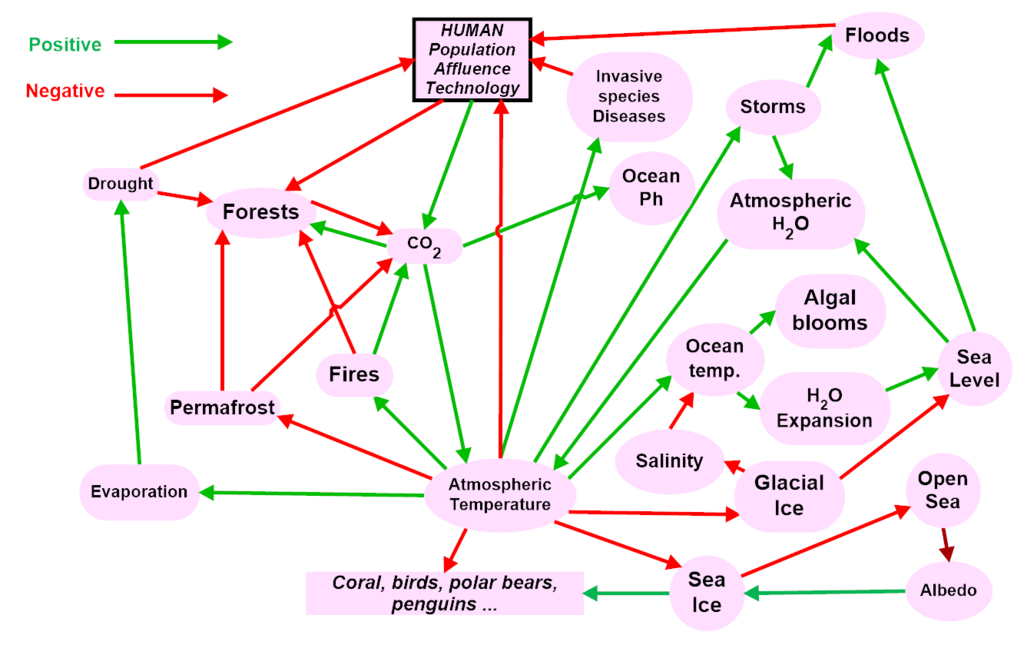
Ultimately, the greatest ecological risk of geoengineering is our own ignorance. Earth's systems are incredibly complex and interconnected. Large-scale field experiments are difficult and risky, so much of our understanding comes from computer models. While these models are powerful, they are not perfect.
There could be countless unintended consequences we haven't even thought of. For example, stratospheric aerosols might not just affect temperature and rainfall. They could also impact the ozone layer or change the appearance of the sky, turning it from blue to a hazy white. The full scope of these interventions is hard to predict, making any deployment a planet-sized gamble.
Understanding these potential environmental and ecological impacts is a critical step. They are not just technical side effects; they are central to the debate about whether geoengineering is a viable path forward.
According to climate models, what is a primary risk of Solar Radiation Management (SRM) on the global water cycle?
The concept of "termination shock" refers to: