Understanding Geoengineering
Introduction to Geoengineering
What Is Geoengineering?
Geoengineering refers to the deliberate, large-scale intervention in Earth's natural systems to counteract climate change. Think of it as planetary medicine. Instead of just reducing our carbon footprint, which is like preventative care, geoengineering proposes active treatments to alter the climate itself.
The idea isn't entirely new. As far back as 1965, a report to U.S. President Lyndon B. Johnson not only warned about the dangers of rising carbon dioxide but also floated concepts like spreading reflective particles over the ocean. For decades, these ideas remained on the fringe. But as the climate crisis has intensified, scientists have begun to explore them more seriously as potential, if controversial, options.
Two Main Approaches
Geoengineering strategies generally fall into two broad categories. One acts like a sunshade, cooling the planet by reflecting sunlight. The other acts like a cleanup crew, removing excess carbon dioxide from the atmosphere. These two approaches tackle the climate problem from opposite ends.
The authors divide the geoengineering methods into two categories: carbon dioxide removal (CDR) techniques, which pull CO2 directly from the atmosphere, and solar radiation management (SRM) techniques, which reflect some solar radiation back into space.
Let's look at each of these in a bit more detail.
Solar Radiation Management (SRM)
Solar Radiation Management, or SRM, aims to cool the Earth by reflecting a small fraction of sunlight back into space. It's a way to manage the symptom of global warming—the planet's rising temperature—without addressing the root cause, which is the high concentration of greenhouse gases in the atmosphere.
The basic principle of SRM is simple: if less solar energy reaches or is absorbed by the Earth's surface, the planet will cool down.
One of the most discussed SRM ideas is stratospheric aerosol injection. This involves spraying tiny reflective particles, like sulfur dioxide, into the upper atmosphere. These particles would act like a thin, planetary-wide veil, scattering sunlight back to space and creating a cooling effect, much like large volcanic eruptions have done naturally in the past.
Carbon Dioxide Removal (CDR)
Carbon Dioxide Removal, or CDR, tackles the problem at its source. Instead of just managing the heat, these techniques aim to physically pull carbon dioxide out of the atmosphere and lock it away for a long time. CDR methods are often called "negative emissions technologies" because they seek to reverse the buildup of CO₂.
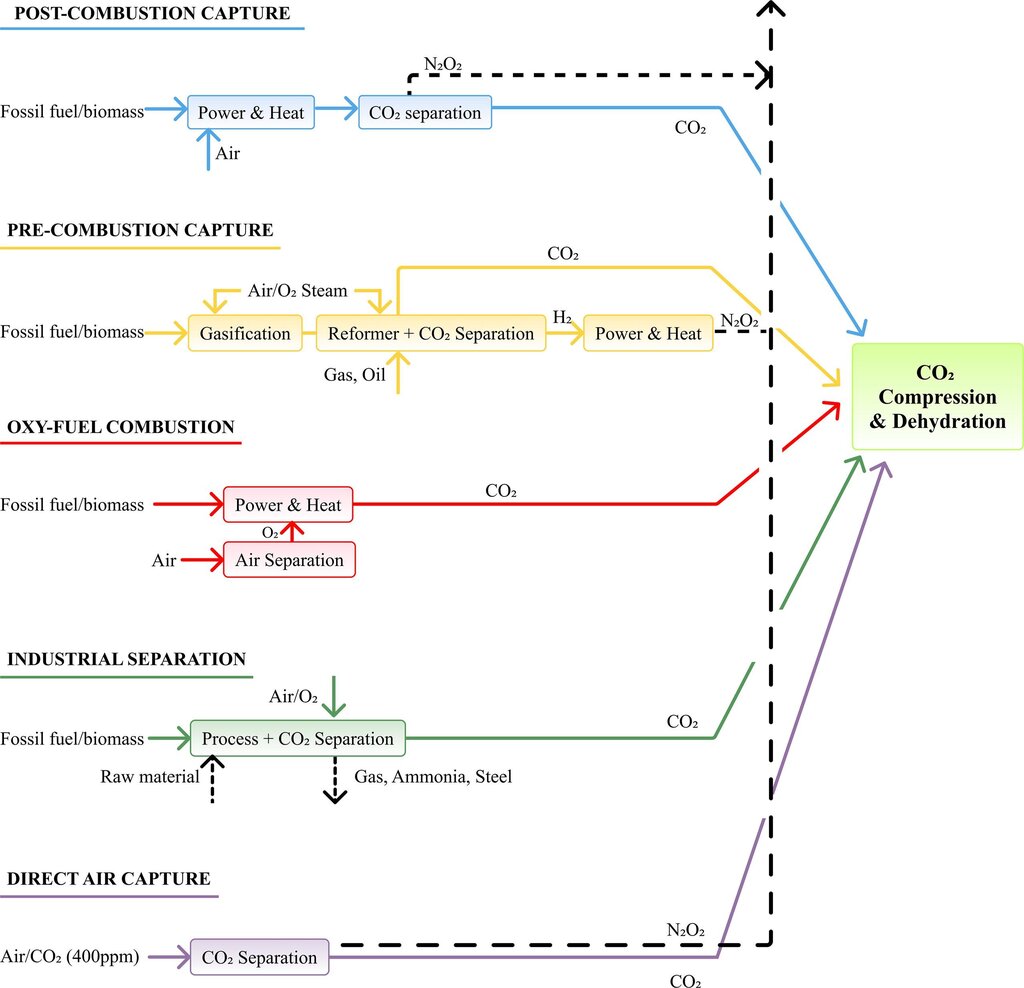
CDR encompasses a wide range of strategies. Some are natural, like planting massive forests (afforestation) or restoring coastal wetlands, which naturally absorb and store carbon. Others are highly technological, such as Direct Air Capture (DAC). DAC facilities use large fans to pull air through chemical filters that bind with CO₂, which is then extracted and stored, often deep underground in geological formations.
By directly lowering the concentration of CO₂, CDR methods also help address other related problems, like ocean acidification. However, they are generally slower to act and more expensive than SRM proposals. Both SRM and CDR represent profound interventions in our planet's systems, and understanding their basics is the first step in a much larger conversation.