Training Program Scripting Essentials
Evaluating and Refining Scripts
From Draft to Final Script
Writing the first draft of a training script is a big step, but the work isn't over. A script on paper can seem perfect, but it needs to be tested in the real world to see if it actually works. The goal of evaluation is simple: to make sure the script is clear, engaging, and successfully teaches what it’s supposed to.
This cyclical process of design, testing, feedback, and redesign is crucial for transforming a good game into a great one.
Just like game design, scriptwriting benefits from a cycle of testing and refinement. You need to find out what resonates with learners and what falls flat. Let's look at how to do that.
Putting Your Script to the Test
Before you roll out a training program, you need to test the script. This can range from simple checks to more structured trial runs. Two common methods are table reads and pilot tests.
A table read is a low-cost way to hear your script out loud. You can do it yourself or with a few colleagues. The goal is to catch awkward phrasing, unnatural dialogue, and pacing issues that are hard to spot when reading silently.
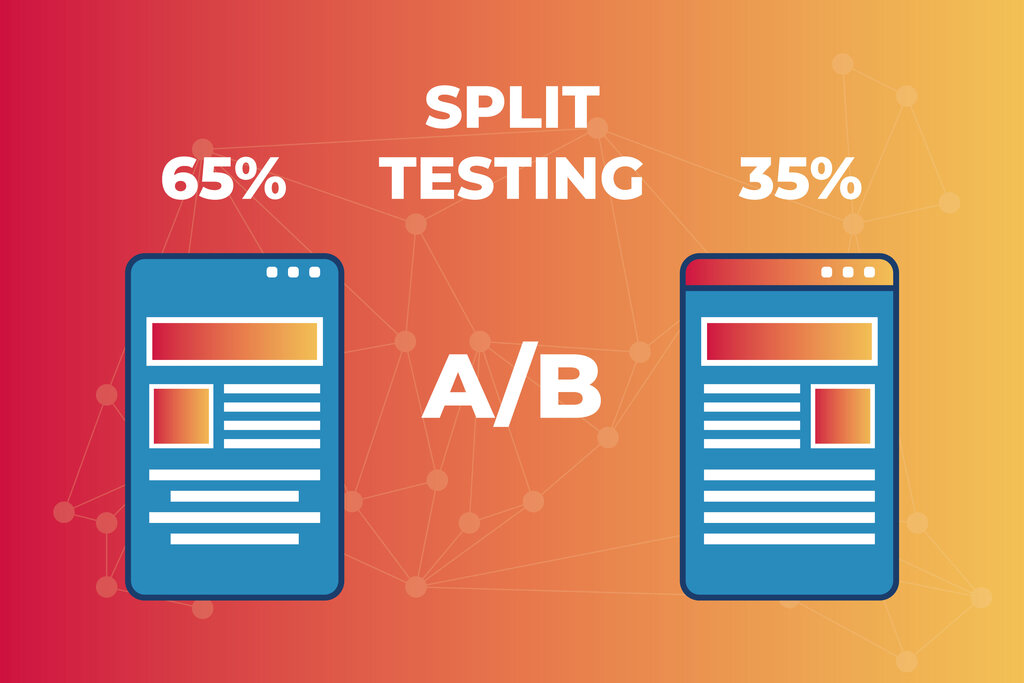
A pilot test is a dress rehearsal with a small group of actual learners. This is your chance to see how the script performs in a live setting. You can observe learners' reactions, measure their understanding, and get direct feedback on what works and what doesn't. You can even run A/B tests, where you try out two different versions of a script segment to see which one is more effective.
Gathering and Using Feedback
Testing generates valuable data, but you also need to actively gather feedback from various stakeholders. These include the learners themselves, subject matter experts (SMEs) who can check for technical accuracy, and managers who understand the business goals of the training.
To collect this feedback, you can use several methods:
| Method | Best For | Example Questions |
|---|---|---|
| Surveys | Gathering quantitative data quickly. | "On a scale of 1-5, how clear was this section?" |
| Focus Groups | In-depth discussion and brainstorming. | "What parts of the training were most engaging? Why?" |
| Interviews | Understanding individual experiences. | "Tell me about a moment when you felt confused." |
Once you've gathered feedback, it's time to analyze it. Look for recurring themes and prioritize the suggested changes. Not every piece of feedback will be useful, so focus on revisions that directly improve clarity, engagement, and alignment with the learning objectives.
This process is iterative. You'll make changes, test the revised script, and gather more feedback. Each cycle brings the script closer to its final, most effective form.
Iterative RefinementInvolves refining prompts based on previous outputs to progressively improve quality and relevance, particularly for creative or exploratory tasks.
This same principle applies directly to scriptwriting. Each round of feedback and revision refines your script, making it a more powerful tool for learning.
What is the primary goal of evaluating a training script?
A pilot test is best described as a:
By thoughtfully testing your script and incorporating feedback, you ensure the final training is not only accurate but also truly effective for your audience.