Training Program Scripting Essentials
Purpose of Scripting
The Blueprint for Learning
A script is the backbone of any effective training program. It's a document that contains all the spoken words, narration, and on-screen text for your course. Think of it as the complete screenplay for your educational content.
Whether you're creating a video, an e-learning module, or a podcast, the script lays out the entire narrative from start to finish. It details what the learner will hear and read, ensuring every piece of information is deliberate and purposeful.
A script serves as your blueprint, guiding the flow of content, ensuring the message is clear, and keeping the audience engaged.
Without a script, content can become rambling and unfocused. It’s easy to forget key points or present ideas in a confusing order. A script provides the structure needed to build a solid and reliable learning experience.
Why Scripting Matters
Scripting isn't just about writing down what you want to say. It’s a critical process that brings significant benefits to both the creator and the learner.
First, scripting ensures consistency. When training is delivered to a large audience, a script guarantees that everyone receives the same core information. It standardizes the delivery, removing variables like an instructor's mood or memory. This is vital for compliance, safety, or technical training where accuracy is paramount.
Second, it promotes clarity. The act of writing forces you to organize your thoughts and present them logically. You can refine complex topics, choose precise words, and cut out unnecessary jargon. This process transforms a rough idea into a clear, digestible lesson.
Finally, scripting boosts engagement. A well-crafted script does more than just list facts. It can tell a story, pose thoughtful questions, and use relatable examples. This narrative structure helps hold the learner's attention and makes the material more memorable.
Script vs. Storyboard
People often confuse scripts with storyboards, but they serve different, complementary purposes. A storyboard is a visual plan, while a script is a narrative plan.
A storyboard is a sequence of drawings or images that represent the shots you plan to film or the screens in an e-learning module. It's like a comic book version of your training, showing what the visual experience will be. It focuses on graphics, camera angles, and the overall look and feel.
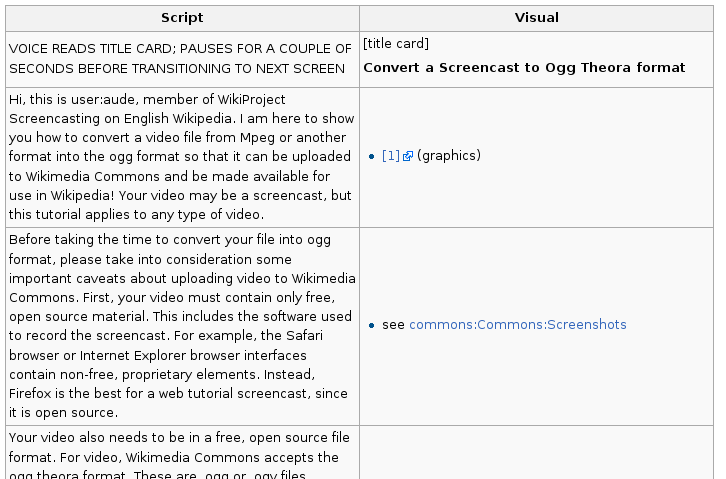
A script, on the other hand, fills in the details. It provides the exact words for the narrator or actors, describes actions, and specifies any text that will appear on screen. If a storyboard is the architectural blueprint showing the layout of a house, the script is the detailed plan that specifies what happens inside each room.
They work together. The storyboard plans the visuals, and the script provides the words and actions that bring those visuals to life.
| Feature | Storyboard | Script |
|---|---|---|
| Purpose | Visual planning & sequencing | Narrative & dialogue planning |
| Format | Series of images or sketches | Written text document |
| Focus | What the learner sees | What the learner hears and reads |
By using both, you create a comprehensive plan that covers both the visual and auditory components of your training, leading to a more polished and effective final product.
What is the primary function of a script in a training program?
Which benefit of scripting is most critical for compliance and safety training where accuracy is paramount?