The Making of the Christian Bible
Origins of the Bible
From Spoken Word to Scripture
The Bible didn't arrive as a single, bound book. It’s a library, a collection of dozens of texts written by many authors across more than a thousand years. To understand its origins, we need to step back into the ancient world and see how these writings first took shape.
A Nation's Story
The Old Testament, or Hebrew Bible, is the sacred literature of ancient Israel. It tells the story of a people, their relationship with God, and their struggles in the turbulent ancient Near East. These texts weren't written in a vacuum. They were shaped by major historical events: the escape from slavery in Egypt, the rise and fall of their kingdom, and a devastating exile in Babylon.
For centuries, these stories, laws, and poems were not primarily written down. They lived in the spoken word, passed from one generation to the next through oral tradition. Imagine storytellers, priests, and prophets reciting these accounts around campfires, in homes, and at religious gatherings. This was a living, breathing history.
The Old Testament is less a single book and more a nation's collected library, assembled and edited over centuries.
Writing was a specialized skill, and materials like papyrus or parchment were expensive. The push to write everything down often came from moments of crisis. The Babylonian Exile in the 6th century BCE was a pivotal moment. With their temple destroyed and their people scattered, Israelite leaders began to compile and write down their traditions to preserve their identity and faith for future generations.
This means many books in the Old Testament are not the work of a single author. Instead, they are composite texts, weaving together different oral and written sources. While tradition names figures like Moses as the author of the first five books (the Torah), scholars see the hands of many scribes and editors working over time to create the final text we have today.
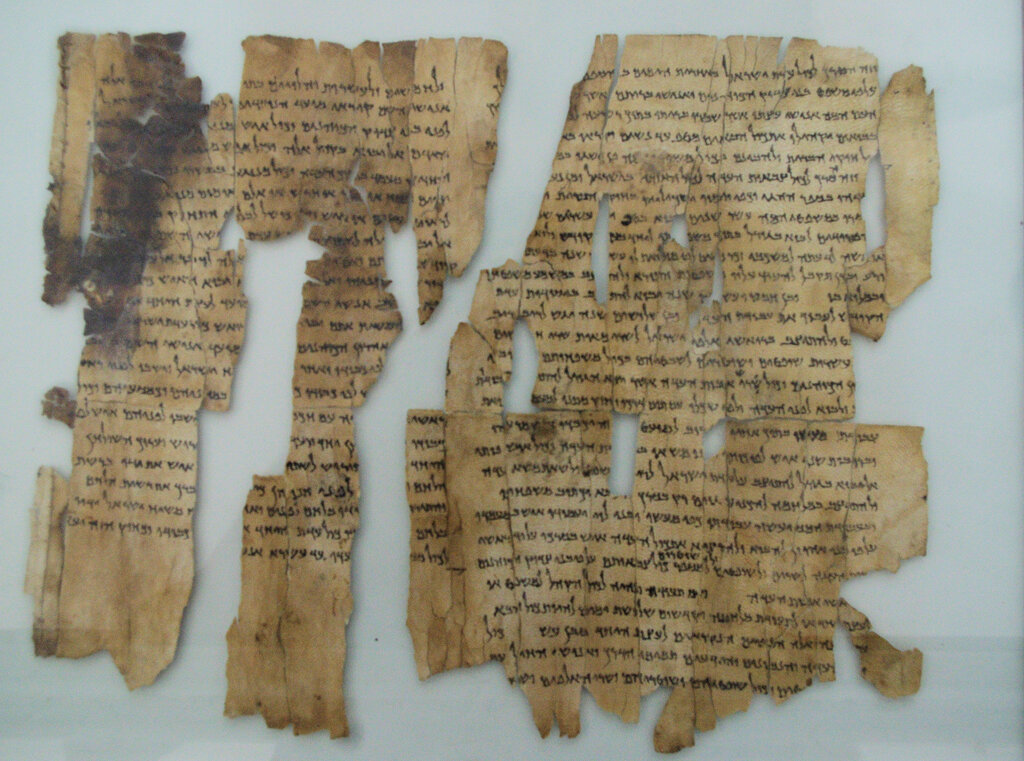
A New Movement Emerges
The New Testament was written in a different world: the Roman Empire of the first century CE. Its authors were early followers of Jesus, a Jewish teacher from the province of Galilee. After his execution, his followers claimed he had been resurrected, and a new religious movement began to spread.
Like the Old Testament, the story of Jesus began as an oral tradition. For decades, his teachings and the stories about his life and death were shared by word of mouth. Eyewitnesses, known as apostles, traveled throughout the Roman world, preaching and establishing small communities of believers. They weren't trying to write a new Bible; they were sharing what they considered to be urgent good news.
apostle
noun
Each of the twelve chief disciples of Jesus Christ. The term is also used for other important early Christian leaders, such as Paul.
The first written documents of the New Testament were not the Gospels, but letters. An apostle named Paul wrote to the small Christian communities he had founded to offer guidance, correct errors, and provide encouragement. These letters, written around 50–65 CE, are our earliest Christian writings.
The Gospels (Matthew, Mark, Luke, and John) were written later, likely between 70 and 100 CE. As the original eyewitnesses began to die, the communities felt a growing need for a reliable written account of Jesus's life and teachings. The authors drew on oral traditions and possibly earlier written collections of Jesus's sayings to compose their narratives. Each Gospel presents a unique portrait of Jesus, tailored to the specific needs and questions of its intended audience.
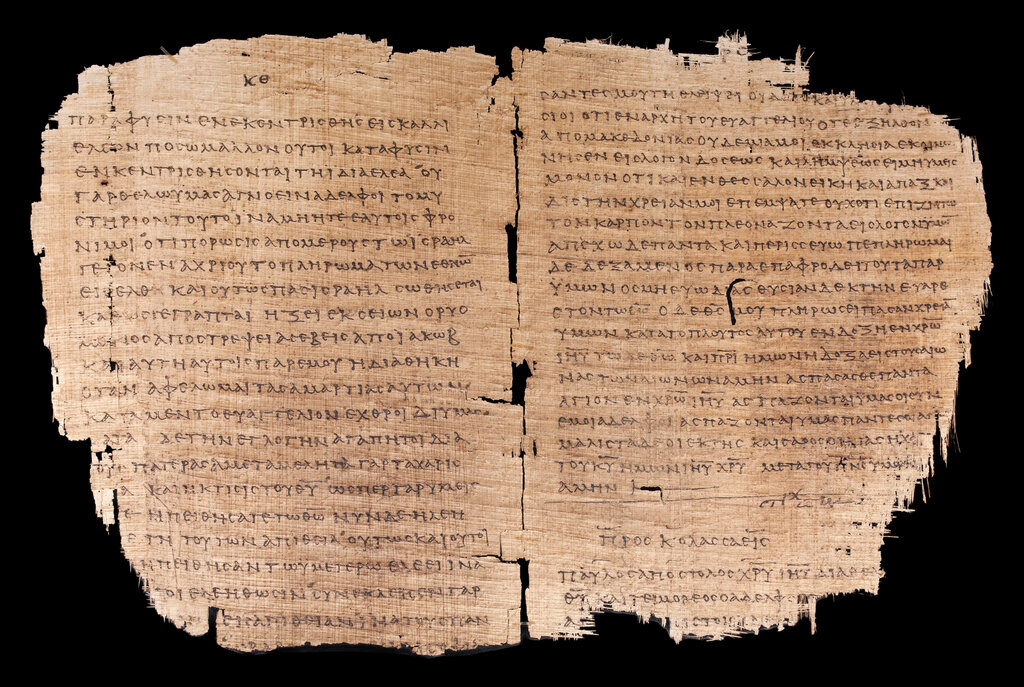
From a nation's epic story to a new movement's urgent message, the Bible's origins are deeply rooted in human history. Its texts emerged from specific times and places, first as spoken words and later as cherished writings, preserving the beliefs and experiences of communities of faith.