Predicting NFL Draft Success and Failure
High Risk Prospects
Beyond the Hype: Identifying Red Flags
Every draft class has them: players with first-round media hype but analytical profiles riddled with red flags. These prospects aren't necessarily bad players, but the risk of them failing to meet their draft position, or 'busting', is significantly higher. Identifying these risks requires moving past highlight reels and digging into the specific traits and production metrics that signal potential failure at the next level.
The quarterback position is the ultimate magnifier of this risk. A first-round QB bust can set a franchise back for years. For the 2025 class, Colorado's Shedeur Sanders presents a polarizing case. While he has demonstrated accuracy and the ability to make plays, his evaluation is complicated by a very high sack rate and questions about his arm strength on certain throws. He took 52 sacks in 2023, a number that raises concerns about his pocket presence and ability to avoid pressure, a critical skill in the NFL.
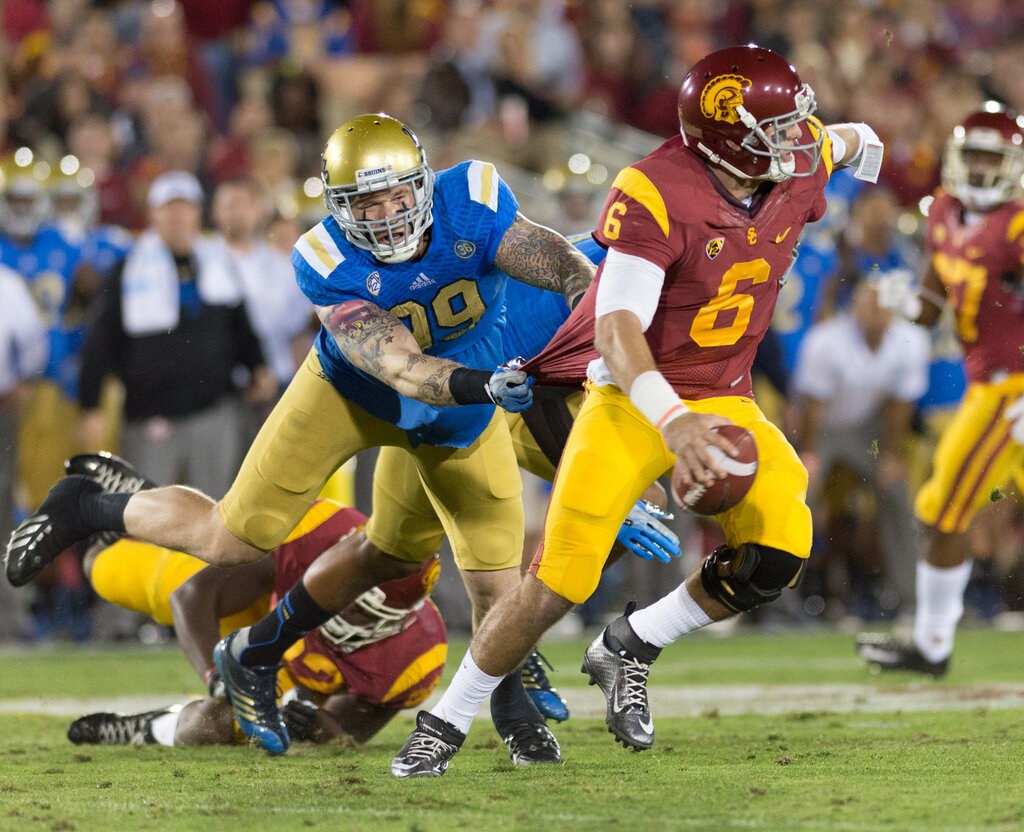
Another layer of risk comes from scheme dependency. Some quarterbacks thrive in 'friendly' college systems that simplify reads and create wide-open throwing lanes. Jaxson Dart at Ole Miss operates in such an offense. While his production is impressive, scouts must project how he will adapt to the tighter windows and more complex defensive schemes of the NFL. A quarterback who relies heavily on his system can struggle when that support structure is removed.
The Developmental Trap
Perhaps the most tempting gamble for NFL teams is the 'developmental trap': drafting a player based on elite athletic traits rather than proven college production. These are the edge rushers with sub-par sack totals or receivers with incredible speed but low Yards Per Route Run. Teams fall in love with the ceiling, betting their coaching staff can unlock the player's potential. As you'll recall from our discussion on efficiency scores, athletic traits don't always translate to on-field results.
Edge rushers like Mykel Williams from Georgia or Shemar Stewart from Texas A&M fit this profile. Both possess the size and athleticism that NFL teams covet, but their sack numbers haven't matched their physical gifts. While their pressure rates might be solid, the inability to consistently finish plays and convert pressures into sacks in college is a significant red flag. History is filled with athletic marvels who never developed the technique to become dominant pros.
When scouting, a player's physical tools get them noticed, but their consistent, translatable skills get them paid.
Specific Failure Modes
Beyond general profiles, specific technical flaws can derail a prospect's career. For running backs, one of the most important traits is , or the ability to absorb a hit and stay upright. A high-pedigree back like North Carolina's Omarion Hampton has shown flashes of brilliance but also instances where he goes down on first contact too easily. Similarly, Quinshon Judkins of Ohio State has faced questions about 'inconsistent vision,' meaning he sometimes misses running lanes that his offensive line creates for him. These aren't effort issues, but processing and physical traits that are difficult to coach.
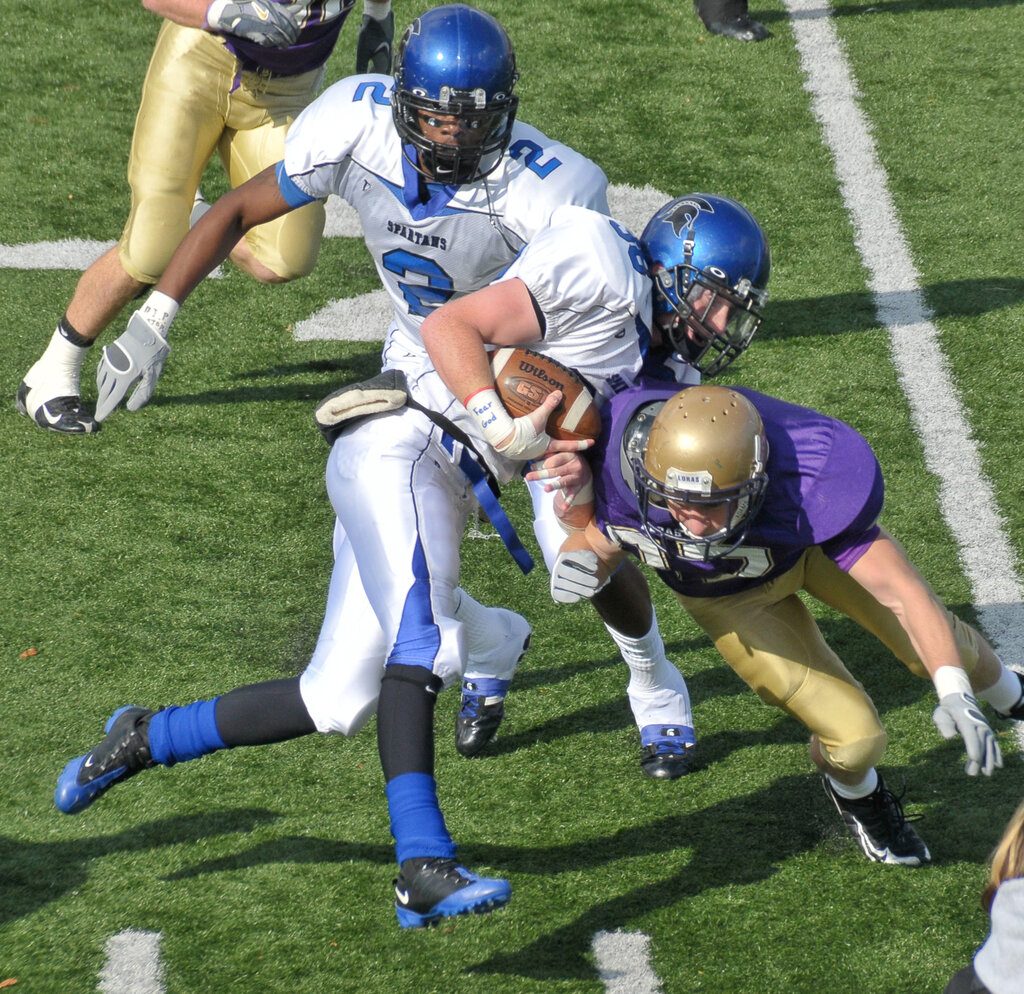
Offensive linemen have their own set of critical failure modes. For tackles, insufficient arm length is a major concern. Players below a certain threshold (typically around 33 inches) can struggle to engage edge rushers, who can use their length to get into the tackle's chest and control the block. Prospect Cameron Williams from Texas has shown flashes but also significant deficiencies in pass protection technique. These technical flaws, combined with physical limitations, can make for a high-risk pick.
Injury history adds another layer of risk. Josh Simmons, a tackle from Ohio State, has dealt with injuries that raise questions about his long-term durability and mobility. When a player is recovering, scouts must analyze whether they have regained their pre-injury form and if the issue is likely to recur. A player's medical evaluation can be just as important as their game film.
According to the analysis, what is the primary concern that makes quarterback Shedeur Sanders a high-risk prospect for the 2025 NFL draft?
For an offensive tackle prospect, having an arm length below 33 inches is considered a major red flag.