Mastering the CPP Certification Exam
Physical Security
Building the Fortress
You've already learned how to identify and assess risks to your organization. Now, it's time to put that knowledge into action. The goal is to build physical defenses that deter, detect, delay, and respond to threats. The most effective approach is creating layers of security, often called "defense in depth."
Think of it like a medieval castle. It doesn't just have one wall. It has a moat, an outer wall, an inner wall, and finally, the keep. Each layer slows down an attacker and provides an opportunity for detection. We'll apply this same layered thinking to modern physical security, starting from the outside and working our way in.
The First Line of Defense
Perimeter security is your outermost layer. It’s all about controlling who can approach your property. The goal isn't necessarily to make the site impenetrable, but to clearly define the boundary and discourage unauthorized entry. This starts with the basics: fences, walls, and gates.
A simple chain-link fence can deter a casual trespasser, while a high-security fence with anti-climb features presents a more serious obstacle. The choice depends on the risks you identified earlier. Landscaping can also play a role. Thorny bushes under windows or gravel paths that make noise can be simple but effective deterrents.
Lighting is another critical component. Well-lit perimeters eliminate hiding spots and make it easier for surveillance systems and security personnel to spot intruders. It acts as both a psychological deterrent and a practical tool for detection.
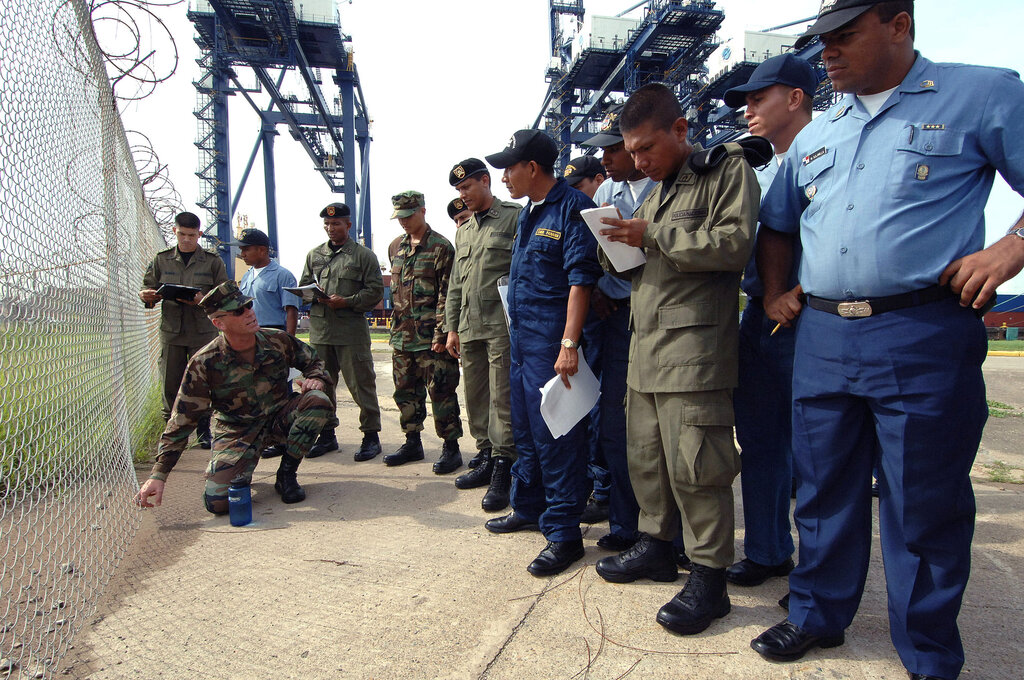
These elements work together to create a boundary that channels all traffic, whether pedestrian or vehicular, through specific entry points where you can control access.
Controlling Entry
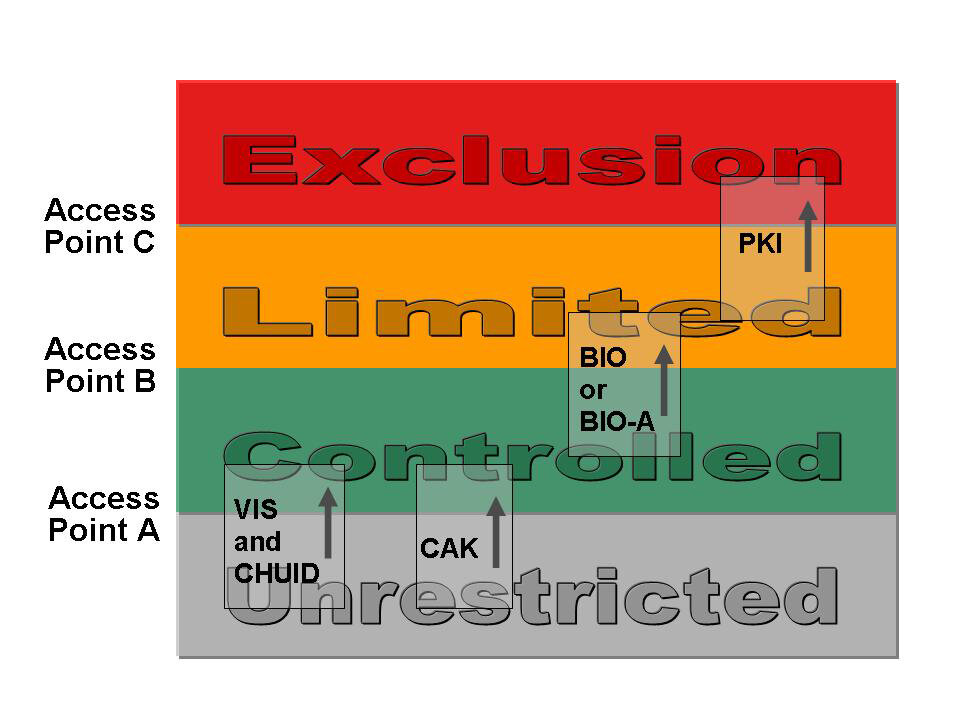
Once someone reaches an entry point, access control systems take over. These systems are the gatekeepers, designed to ensure that only authorized individuals can enter a facility or specific areas within it. They come in many forms, from a simple lock and key to sophisticated electronic systems.
The fundamental principle of access control is to grant the minimum level of access necessary for someone to perform their duties. This is known as the principle of least privilege.
Modern access control relies on three main types of authentication factors:
- Something you know: A password, PIN, or passphrase.
- Something you have: A key card, fob, or smartphone.
- Something you are: A biometric factor like a fingerprint, facial scan, or iris scan.
The strongest systems use multi-factor authentication (MFA), combining two or more of these types. For example, requiring a key card and a PIN to enter a secure data center is a common form of MFA. These systems not only restrict entry but also create a digital log of who accessed which area and when, providing a valuable audit trail for investigations.
Watching and Waiting
While perimeter and access controls are proactive measures, surveillance technologies are your eyes and ears. They help you detect, assess, and document security events as they happen.
Video surveillance, or CCTV, is the most common form. Modern systems use high-definition cameras with features like night vision, thermal imaging, and motion detection. The placement of cameras is crucial; they should cover critical access points, perimeters, and sensitive areas without leaving blind spots. It's not just about recording; live monitoring allows security personnel to respond to incidents in real time.
Beyond cameras, other intrusion detection systems (IDS) can be used. These include:
- Door and window sensors: These magnetic contacts trigger an alarm when a secured door or window is opened.
- Glass-break detectors: These sensors use microphones or vibration detection to identify the sound of breaking glass.
- Motion detectors: Typically using passive infrared (PIR) technology, these sensors detect the body heat of an intruder moving through a space.
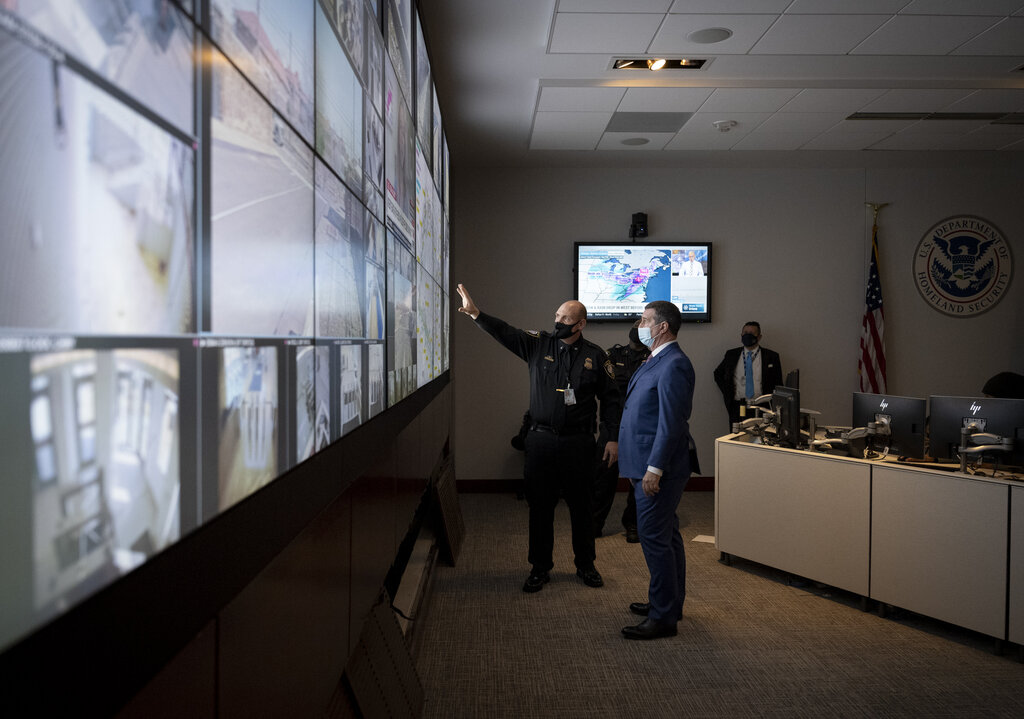
When an alarm is triggered, it must be communicated to someone who can respond. This could be an on-site security team or an off-site monitoring center. The effectiveness of surveillance depends entirely on a timely and appropriate response.
A Unified Approach
Physical security doesn't exist in a vacuum. To create a truly comprehensive security program, it must be tightly integrated with personnel security and information security.
Consider the connection with personnel security. When an employee is terminated, procedures must be in place to immediately revoke their physical access credentials (key cards, fobs) and their logical access to the company's network and data. A failure in one area compromises the other. Similarly, background checks on new hires, a core part of personnel security, help prevent internal threats before they ever gain physical access to your facility.
Now think about information security. A locked server room is a physical control protecting digital assets. If someone bypasses that lock, they can potentially access servers and steal sensitive data. Conversely, a cyberattack could disable your electronic access control system, leaving doors unlocked and the facility vulnerable to physical intrusion. The two are intertwined.
Through a mix of instructions, case studies, and hands-on exercises, participants will gain practical experience with system security plans (SSPs), plans of action and milestones (POA&Ms), including response planning, access controls, and more.
This integrated strategy ensures that your defenses are coordinated. A security guard observing suspicious activity on a camera (physical) can cross-reference it with access logs (information) to verify an individual's identity and authorization (personnel). This holistic view makes your entire security posture stronger than the sum of its parts.
Time to test your knowledge on these operational practices.
The security strategy of using a combination of fences, access cards, and cameras to create multiple layers of protection is best described by which concept?
A company installs bright, motion-activated lights around its building's exterior. What is the primary security function of this measure?
Mastering these operational security practices is essential for protecting an organization's people and property.