Mastering Memorization Techniques
Memory Palace
What is a Memory Palace?
The Memory Palace is one of the oldest and most powerful memory techniques. Also known as the Method of Loci (loci being Latin for “locations”), it works by turning information into vivid mental images and placing them along a familiar mental journey. To recall the information, you simply re-walk that journey in your mind and observe the images you’ve placed.
Legend attributes its discovery to the Greek poet Simonides of Ceos around 500 B.C. After chanting a poem at a banquet, he stepped outside. Moments later, the roof of the hall collapsed, crushing everyone inside. The bodies were mangled beyond recognition. But Simonides found he could identify each guest by remembering where they had been sitting around the table. He realized that the human brain is exceptional at remembering places and images.
The method of loci, also known as a memory palace, is an age-old mnemonic device that enables you to memorize information by associating it with physical locations.
This technique taps into our natural spatial memory. Instead of trying to remember abstract facts, you anchor them to a location you already know inside and out.
Building Your Palace
Constructing your first memory palace is simple. It just requires a bit of imagination. There are three main steps.
Step 1: Choose Your Location. Your palace can be any place you know well: your house, your apartment, your daily walk to work, or your favorite museum. The key is familiarity. You need to be able to close your eyes and mentally walk through it without effort.
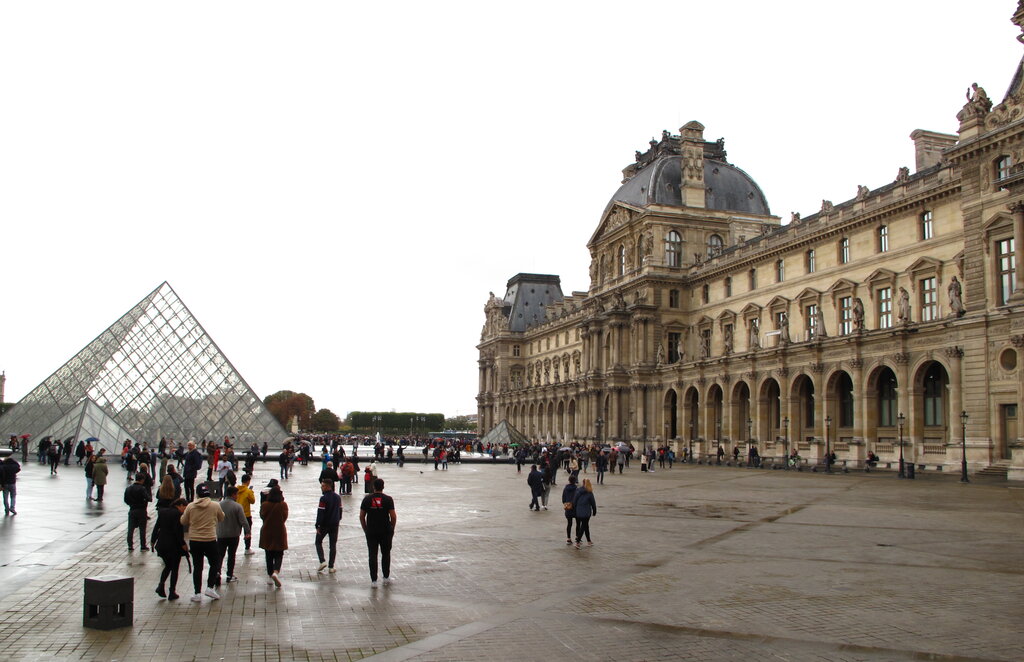
For your first palace, your home is often the best choice. It’s a space you navigate every day.
Step 2: Define a Route. Once you have your location, you need a specific path you'll always follow. Start at the entrance and walk through in a logical order. Don't jump from the bedroom to the kitchen and then back to the front door. A consistent route prevents you from losing your place or skipping information. For example, your route could be: front door -> hallway -> living room -> kitchen -> bedroom.
Your journey must be one-way. Decide on the path and stick to it.
Step 3: Identify Loci. Along your defined route, pick out specific, distinct features. These are your loci, or memory slots. Aim for 5 to 10 loci in your first palace. They could be a doormat, a coat rack, a sofa, a coffee table, or a refrigerator. Make sure they are in the order you would encounter them on your route. Number them in your mind.
Placing Information
Now for the magic. To memorize a list of items, you convert each item into a striking mental image and place it on one of your loci. The more absurd, exaggerated, or bizarre the image, the better you'll remember it.
Let's try memorizing a short shopping list: apples, milk, bread.
- Locus 1 (Front Door): Imagine a giant, talking apple blocking the door, refusing to let you in.
- Locus 2 (Coat Rack): Picture your coat rack is actually a waterfall of milk, splashing all over the floor.
- Locus 3 (Sofa): Visualize a loaf of bread sitting on the sofa, wearing sunglasses and watching TV.
To recall the list, you just take a mental stroll through your apartment. At the front door, you'll see the talking apple. In the hallway, the milk waterfall. In the living room, the lounging loaf of bread. The information will be impossible to miss.
Modern Memory Athletes
This ancient technique isn't just a historical curiosity. It's the primary tool used by competitors in the World Memory Championships. These
athlete
noun
A person who is proficient in sports and other forms of physical exercise.
memory athletes use complex palaces—cities, universities, and vast fictional landscapes—to perform incredible feats, like memorizing the order of a shuffled deck of cards in under 20 seconds or thousands of random digits in an hour.
They build a library of palaces and pre-load them with images for numbers and cards, allowing for rapid encoding. For them, memory is not a gift, but a skill built on the foundation of the Method of Loci.
By mastering this technique, you are using the same fundamental strategy that has been a cornerstone of memory training for over two millennia.
Ready to test your knowledge?
The Memory Palace technique is also known by what other name, derived from the Latin for 'locations'?
When converting items into mental images to place in your memory palace, which type of image is most effective?
With practice, you can build multiple palaces for different subjects, creating a powerful mental library to store and retrieve anything you want to learn.