Mastering Memorization Techniques
Understanding Memory
The Three Jobs of Memory
Your memory isn't a single action. It’s a three-part process: encoding, storage, and retrieval. Think of it like a library. First, a new book arrives and gets cataloged (encoding). Then, it's placed on a shelf (storage). Finally, when you need it, you go find it (retrieval). If any step fails, the system breaks down.
Encoding is how your brain first takes in information from the world. It translates sights, sounds, and feelings into a language neurons can understand.
Storage is the process of holding onto that information. Some memories are kept for only a few seconds, while others can last a lifetime. The brain doesn't just file information away randomly; it organizes and connects new data with what you already know.
Retrieval is the act of pulling information out of storage. This is what most of us think of as “remembering.” Sometimes it's effortless, like recalling your name. Other times, it's a struggle, like trying to remember a fact for a test.
Your Brain's Filing Cabinets
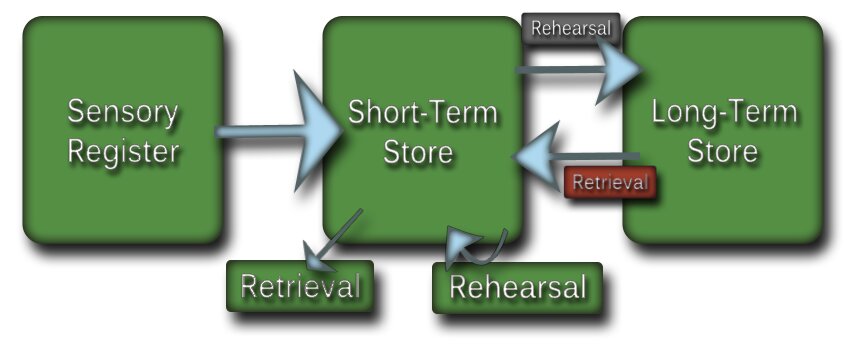
Information doesn't all go to the same place. Your brain uses different storage systems, or types of memory, depending on how long the information needs to be kept.
Sensory Memory is the briefest form. It’s a fleeting echo of what you’ve just seen or heard, lasting only a couple of seconds. Think of the trail a sparkler leaves in your vision or the sound of a word hanging in the air just after it was spoken. Most of this information vanishes almost instantly, but your brain pays attention to the important bits and moves them to the next stage.
Short-Term Memory, also called working memory, is your mental scratchpad. It's what you are actively thinking about right now. When you look up a phone number and hold it in your head just long enough to dial, you're using short-term memory. It has a limited capacity, typically holding about 5 to 9 items at a time, and it only lasts for about 20-30 seconds unless you actively work to maintain it (like by repeating the number over and over).
Long-Term Memory is the vast, durable archive of your past experiences, knowledge, and skills. This is where you store everything from the name of your first pet to the rules of grammar. Its capacity is seemingly limitless, and memories stored here can last for a lifetime. For information to move from short-term to long-term memory, it needs to be encoded more deeply.
Why We Forget
Forgetting is a normal and even necessary part of how memory works. It happens for several reasons, often related to a breakdown in one of the three memory processes.
Sometimes, the problem is encoding failure. The information never made it into your long-term memory in the first place. This often happens when you're not paying attention. If you can't remember where you put your keys, it's likely because you were on autopilot when you set them down and never truly encoded their location.
Another common issue is storage decay. Memories can fade over time, especially if they are not accessed. This is the "use it or lose it" principle. The neural pathways associated with a memory weaken without use, making it harder to recall.
Finally, there’s retrieval failure. This is the frustrating “tip-of-the-tongue” feeling where you know you know something, but you just can't access it. The memory is stored, but the pathway to it is temporarily blocked. Several factors can influence this, including stress, lack of sleep, or interference from other similar memories.
Ready to check your understanding of how memory works? Let's see what you've retained.
Which of the following correctly lists the three essential processes of memory in the correct order?
You look up a phone number online and mentally repeat it to yourself just long enough to key it into your phone. Which type of memory are you primarily using?
Understanding these basic mechanics of memory is the first step toward learning more effectively. By paying attention to how you encode, store, and retrieve information, you can start building stronger, more lasting memories.