Mastering Constructive Feedback
Applying Feedback for Continuous Improvement
From Feedback to Action
Getting feedback is just the start. The real growth happens when you turn those insights into action. We've talked about how to receive feedback gracefully, but now let's focus on the most important part: using it to get better. This is where you transform observations from others into your own plan for continuous improvement.
Feedback is the cornerstone of continuous improvement, helping project managers pinpoint what's working and what needs tweaking.
Set Clear Goals
First, look for patterns. A single comment might be an outlier, but if you hear similar feedback from different people, it’s pointing to a real area for growth. Your task is to distill this information into a clear, targeted goal.
The best goals are specific and measurable. Vague feedback like "you need to be more proactive" isn't a goal. It's a starting point. Ask yourself: What does being proactive look like in my role? How could I measure it? This turns a fuzzy idea into a concrete target.
Let's translate feedback into a goal.
Feedback: "Your presentations could be more engaging."
Goal: "Over the next quarter, I will incorporate one interactive element, like a poll or a direct question to the audience, into every presentation I give. I will also ask a colleague for feedback on my delivery after each one."
Create an Action Plan
A goal tells you where you're going, but an action plan is the map that gets you there. Break your goal down into small, manageable steps. This makes the process less intimidating and clarifies exactly what you need to do next.
For the presentation goal, an action plan might look like this:
- Research three types of interactive presentation tools this week.
- Choose one tool and watch a tutorial on how to use it.
- Draft one poll question for my presentation next Tuesday.
- Ask my colleague, Sarah, if she's willing to provide feedback afterward.
Each step is a small, concrete task that moves you closer to your larger goal. This creates momentum and makes it easier to stay on track.
Monitor and Adjust
An action plan isn't set in stone. It's a living document. Regularly check in on your progress. Are your actions having the desired effect? Do you need to adjust your strategy?
Maybe you find that live polls are too clunky with your presentation software. That's fine. The goal isn't to follow the plan perfectly, but to achieve the outcome. You could pivot to a different tactic, like asking a thought-provoking question at the beginning of your talk to capture the audience's attention.
This cycle of action and reflection is the engine of improvement. Try something, see how it works, and adjust your approach based on the results.
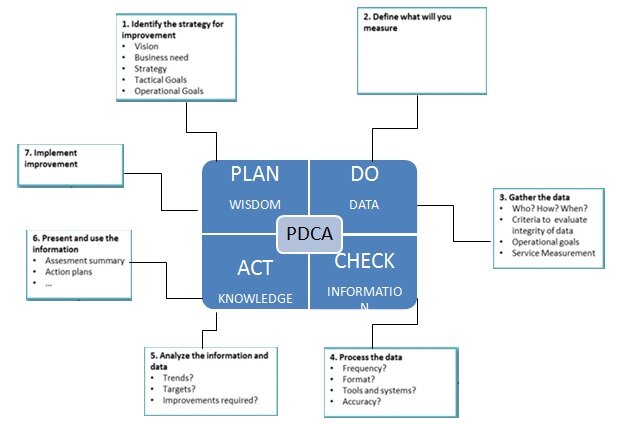
Sustaining improvement means making this feedback loop a habit. Don't wait for your annual review. Proactively ask for input after a big project or presentation. Let your colleagues know you're working on a specific skill and would appreciate their observations.
By consistently seeking out feedback, setting goals, acting on them, and tracking your progress, you create a personal system for growth. It stops being a one-time fix and becomes a natural part of how you operate.
Time to test your knowledge on applying feedback.
After receiving feedback from several sources, what is the most effective first step to take?
Why is the feedback "you need to be more proactive" considered a starting point, not a goal?
By transforming feedback into a cycle of action and reflection, you take ownership of your development and build a foundation for long-term growth.