Master Control Programs Explained
Master Control Programs Overview
What is a Master Control Program?
Think of a Master Control Program, or MCP, as the brain of a large, complex operation. You've already learned about operating systems managing a computer's basic resources and control systems regulating specific processes. An MCP sits a level above, acting as a high-level supervisor that coordinates everything.
Its main job is to ensure that all the different parts of a system work together to achieve a larger goal. While an operating system is busy managing memory and scheduling tasks, the MCP is concerned with the overall mission, whether that's running a factory, managing a power grid, or guiding a spacecraft.
An MCP is a central hub for managing and coordinating distributed agents and tasks.
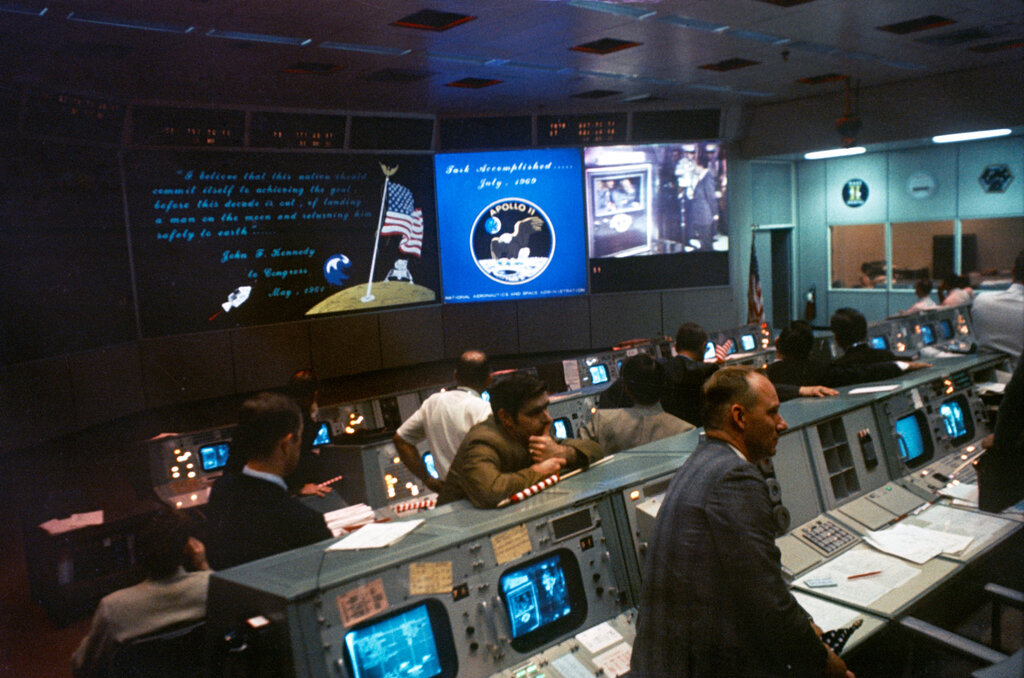
Imagine the mission control room for a rocket launch. Dozens of specialists monitor fuel, navigation, and life support. The flight director is the MCP. They don't personally flip every switch, but they see the big picture, make critical decisions, and direct the teams to ensure the mission succeeds. That's the essence of a Master Control Program in a computer system.
A Brief History
The idea of the MCP emerged in the era of mainframe computers during the 1960s. As computers grew more powerful, they started running multiple programs at once. This created a need for a sophisticated overseer to manage the complexity.
The Burroughs Corporation was a pioneer, developing an operating system they actually named Master Control Program (MCP). It was one of the first to be written in a high-level programming language and introduced groundbreaking features like virtual memory. This allowed programs to use more memory than the computer physically had, a concept that is now standard in all modern operating systems.
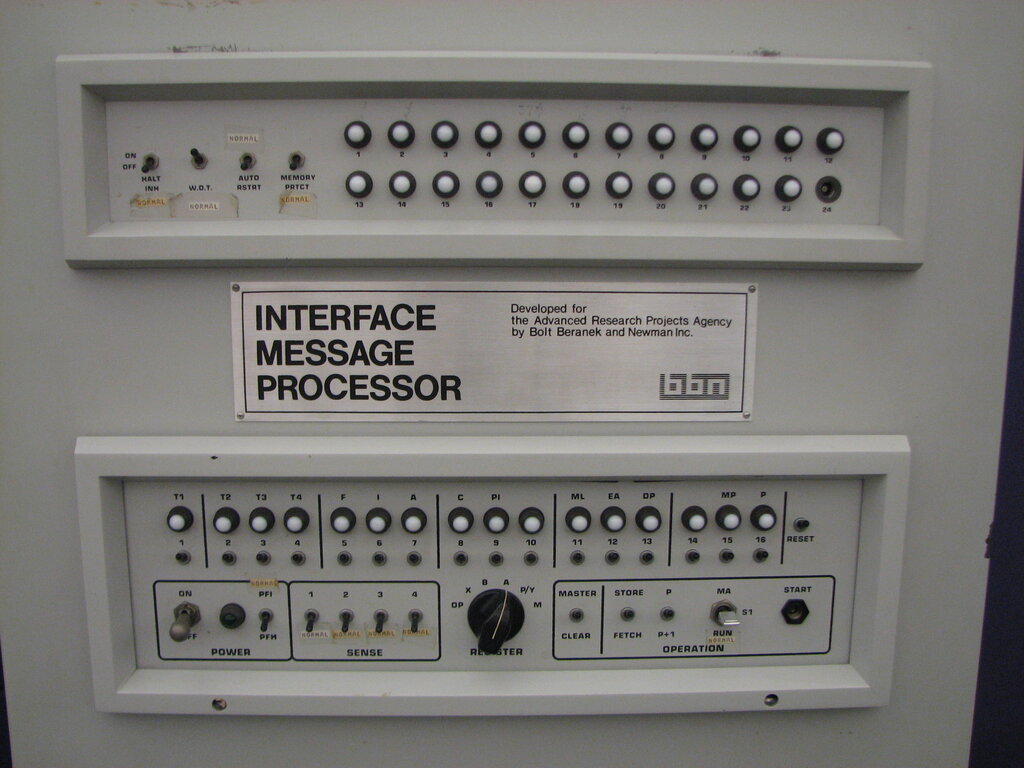
These early MCPs set the stage for the complex operating systems we rely on today. They established the principle of a central, intelligent program that manages all of a system's hardware and software resources efficiently.
The Conductor of the Orchestra
One of the best ways to understand an MCP's role is to think of it as the conductor of an orchestra. Each musician and section represents a different system resource: the CPU is the strings, the memory is the woodwinds, and the network connection is the percussion.
Each musician knows how to play their instrument. But without a conductor, the result would be chaos. The conductor reads the musical score (the overall goal), cues different sections at the right time (process management), and ensures they all play in harmony (resource allocation). The MCP does the same for a computer system.
It handles resource allocation, scheduling, and error handling at a macro level. If one program demands too much memory, the MCP can intervene to prevent it from crashing the entire system. If a hardware component fails, the MCP can reroute tasks to other components, ensuring the system remains stable.
Where We See MCPs Today
While the term "Master Control Program" might sound a bit dated, the concept is more relevant than ever. Modern applications of this idea are found in many domains:
- Telecommunications: Large networks that route millions of calls and data packets every second are managed by sophisticated control programs that monitor network health and redirect traffic to avoid congestion.
- Industrial Automation: In a modern factory, an MCP coordinates the actions of hundreds of robots and sensors on an assembly line, ensuring each step of the manufacturing process happens in the correct sequence and with precise timing.
- Cloud Computing: Data centers that host thousands of servers rely on orchestrators like Kubernetes. These act as MCPs, automatically deploying applications, balancing loads, and managing the vast pool of computing resources.
- Artificial Intelligence: As you learned previously, AI is often used in control systems. Many advanced AI systems, especially those involving multiple AI agents, use an MCP to coordinate the agents' actions and combine their insights to solve complex problems.
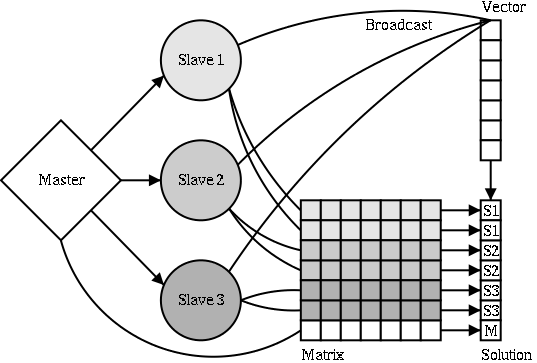
In each case, the MCP provides the high-level intelligence and coordination needed to manage a complex, dynamic system. It's the unseen but essential director ensuring everything runs smoothly.
What is the primary role of a Master Control Program (MCP) in a complex system?
The historical Master Control Program developed by the Burroughs Corporation in the 1960s was notable for being one of the first to introduce what groundbreaking feature?