Exploring the Wonderful World of Cabbage Varieties
Bok Choy
Bok Choy
Unlike the tightly packed heads of green or savoy cabbage, bok choy grows in loose, celery-like bunches. It has smooth, dark green leaves that fan out from crisp, white stalks. This structure gives it two distinct textures in one plant: tender leaves and a crunchy base.
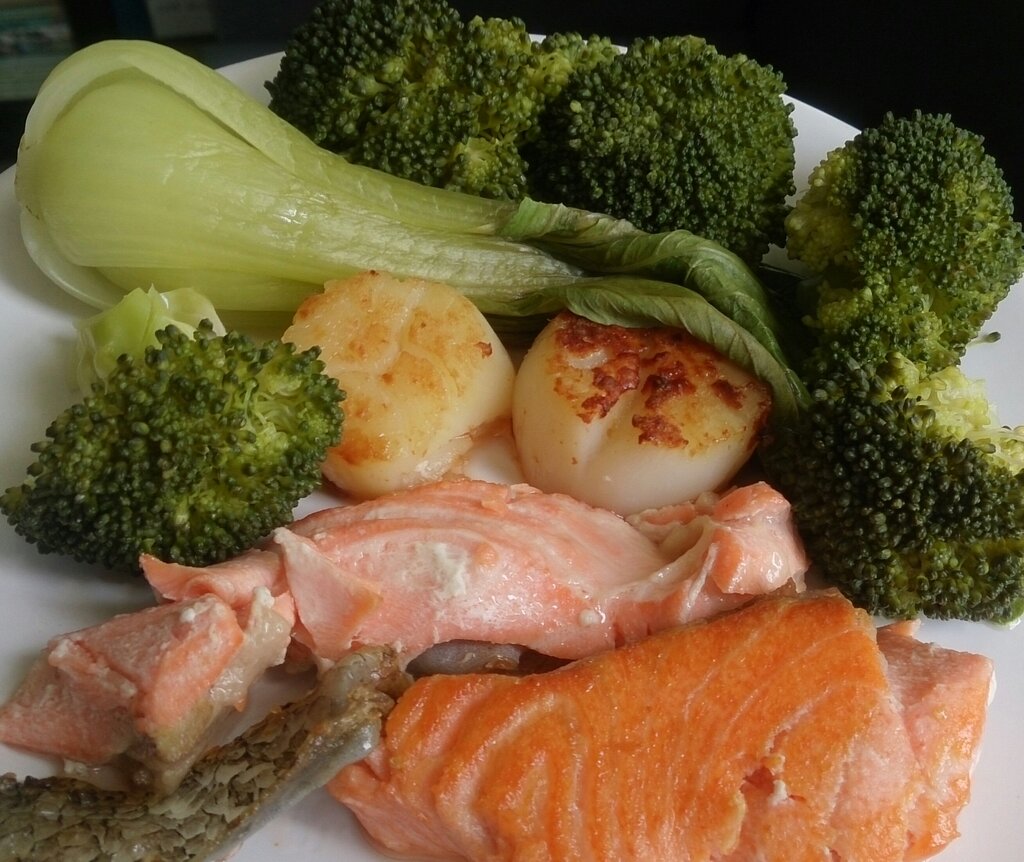
Its flavor is mild and slightly sweet, with a subtle mustard-like note that hints at its relation to other brassicas. The stalks are juicy and refreshing, while the leaves cook down to a soft, spinach-like texture.
In the Kitchen
Bok choy's quick cooking time and versatile texture make it a staple in many Asian dishes. It's excellent in stir-fries, where the stalks stay crisp and the leaves wilt just enough. You can add it near the end of cooking, sliced or halved, to retain its crunch.
When stir-frying, separate the stalks from the leaves. Cook the stalks for a minute or two before adding the leaves, as they take slightly longer to cook.
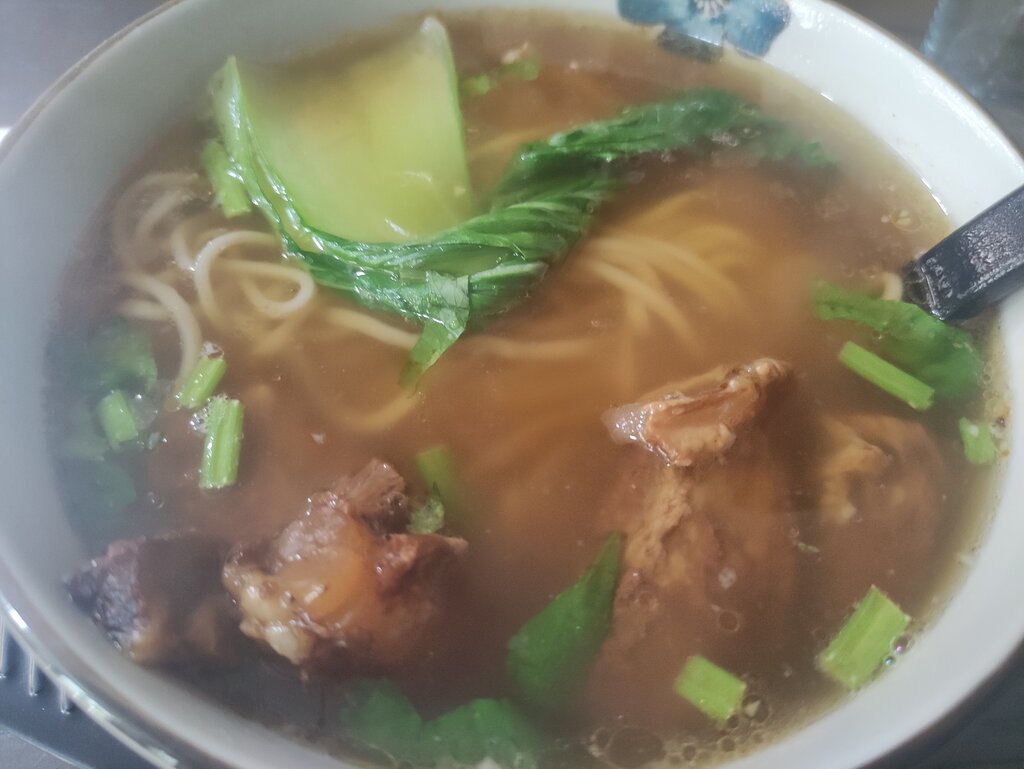
Steaming is another popular method. A whole or halved head of baby bok choy, steamed until tender-crisp and drizzled with a little oyster or soy sauce, makes a simple and elegant side dish. It also holds up well in soups, adding both texture and a fresh, clean flavor without becoming mushy.
Nutritional Value
Bok choy is a nutrient-dense vegetable. It's an excellent source of vitamin A, which is crucial for vision and immune function. It is also one of the best non-dairy sources of calcium, a mineral essential for building and maintaining strong bones.
| Nutrient | Key Benefit |
|---|---|
| Vitamin A | Supports vision & immunity |
| Calcium | Promotes bone health |
How does the growth structure of bok choy differ from that of green cabbage?
Which flavor profile best describes bok choy?
This versatile cabbage offers a unique combination of texture and nutrition.