Exploring the Wonderful World of Cabbage Varieties
Botanical Classification
One Species, Many Vegetables
It might seem strange, but broccoli, cauliflower, kale, kohlrabi, and brussels sprouts are all the same plant. Botanically speaking, they are all varieties of a single species: Brassica oleracea, also known as wild cabbage or wild mustard.
Over centuries, farmers used artificial selection to breed this wild plant for specific traits. If they wanted bigger leaves, they selected for that. If they preferred larger flower buds, they chose plants with that characteristic. This process gave us the wide array of vegetables we see today.
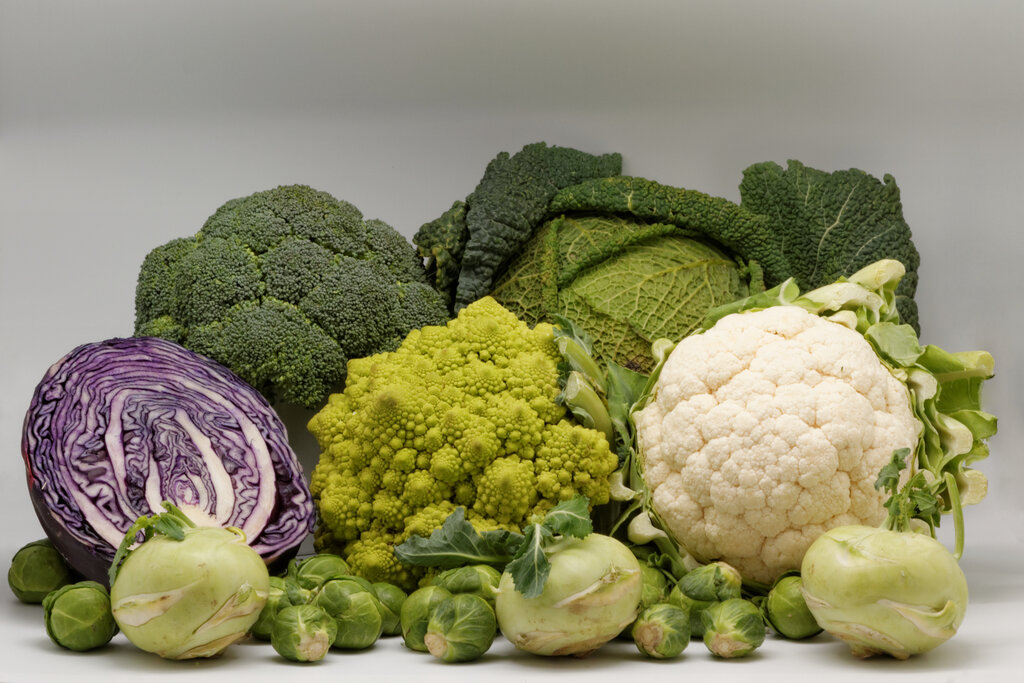
The different forms we eat are known as cultivars. A cultivar is a plant variety that has been produced in cultivation by selective breeding.
Cultivar
noun
A plant variety that has been produced in cultivation by selective breeding.
Cabbages are part of the Capitata cultivar group, which is Latin for "having a head." This name refers to the tightly packed leaves that form a dense, round head.
Meet the Cabbages
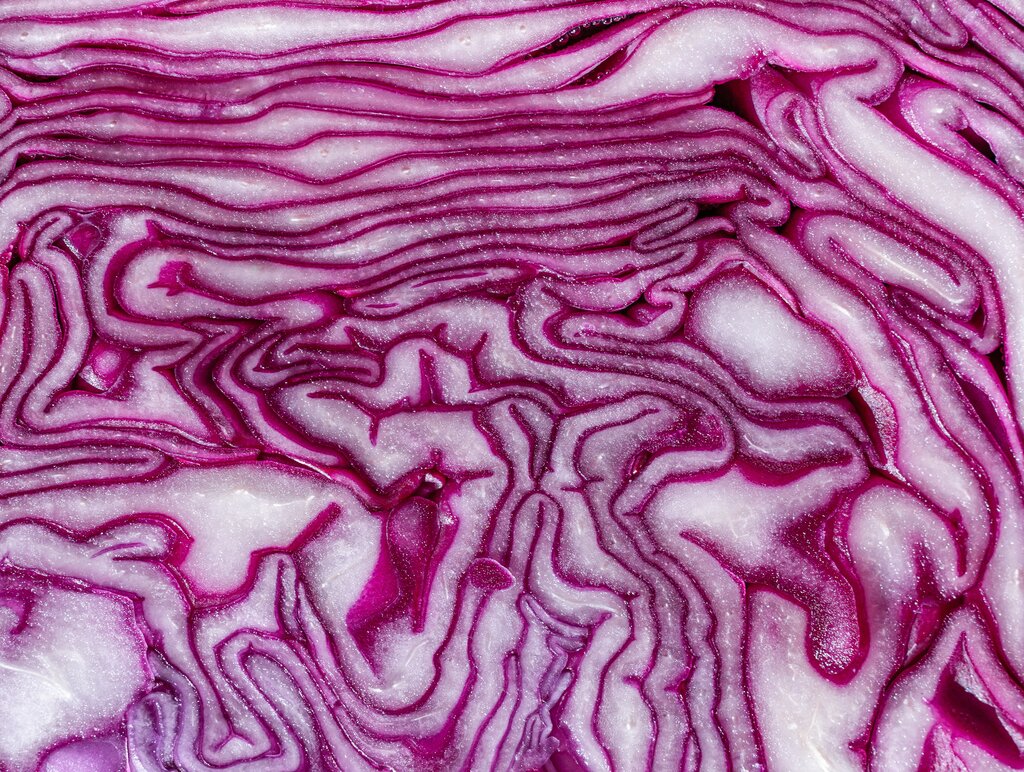
The most familiar cabbages are the green and red varieties. From a botanical standpoint, they are nearly identical. The only significant difference is their color, which comes from pigments called anthocyanins in the red cabbage. They both have smooth, tightly wrapped leaves.
Savoy cabbage is another member of the Capitata group. It's easily recognized by its deeply crinkled, lacy leaves. While its head is less compact than that of green or red cabbage, its botanical origin is the same.
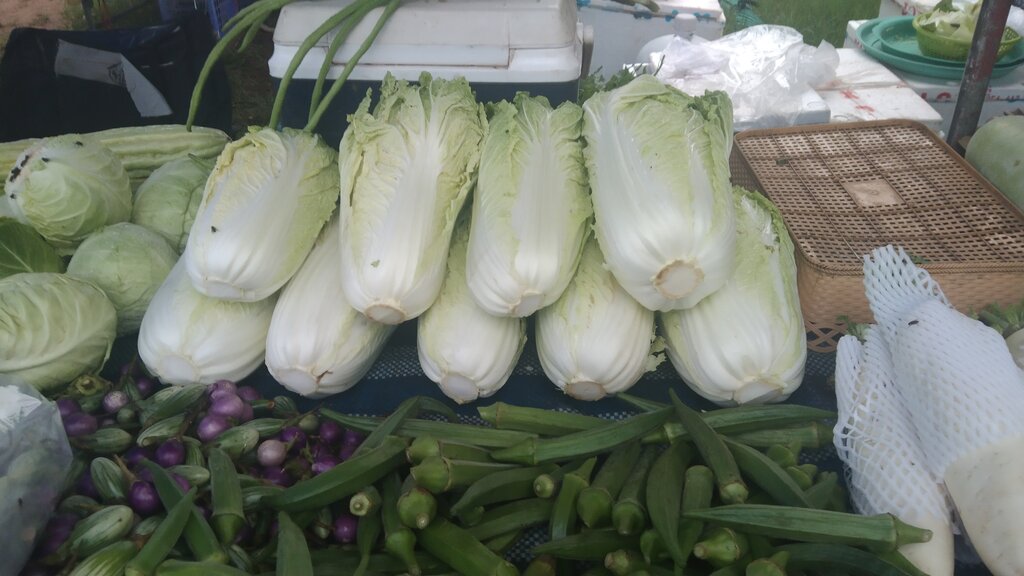
What about Napa cabbage? It looks and tastes like a cabbage, but it's actually a different species. Its scientific name is Brassica rapa, and it's more closely related to turnips and bok choy than to green or savoy cabbage. It has a more oblong shape and thinner, more crinkled leaves with wide white stalks.
A Plant Family Tree
Visualizing these relationships can help clarify how one wild plant gave rise to so many different foods. The diagram below shows how different cultivars branch off from their common ancestor. Notice that Napa cabbage has its own, separate ancestor.
So, while they share a common name, cabbages showcase the diversity that can arise from different plant species and from centuries of human cultivation. Understanding these botanical relationships helps us appreciate the specific characteristics of each variety.
Ready to test your knowledge?
Broccoli, cauliflower, kale, and cabbage are all cultivated varieties of which single plant species?
Which of the following vegetables is NOT a cultivar of Brassica oleracea?
By understanding the botanical family of cabbages, you can better appreciate the subtle and not-so-subtle differences between each type.