Climate Migration and Real Estate Forecasting
Introduction to Climate Migration
The Great Reshuffling
For thousands of years, humans have lived within a surprisingly narrow band of climate conditions. This predictable environment allowed civilizations to flourish. But that stability is changing. As the planet warms, certain areas are becoming less hospitable, prompting a new kind of human movement: climate migration.
migration
noun
The movement of people from one place to another with the intentions of settling, permanently or temporarily, at a new location.
Climate migration is the movement of people driven by sudden or progressive changes in the environment. These are not just families seeking economic opportunity; they are people forced to relocate because their homes are no longer safe or viable due to the effects of climate change.
With every degree of temperature increase, roughly 1 billion people will be pushed outside the zone in which humans have lived for thousands of years.
This movement isn't a single event. It's a complex, unfolding process that happens on different scales. Sometimes it's a family moving to the next town over. Other times it's a mass displacement across borders.
The Push Factors
What forces people to leave their homes? The drivers of climate migration generally fall into three categories. Some are slow and steady, while others are sudden and catastrophic.
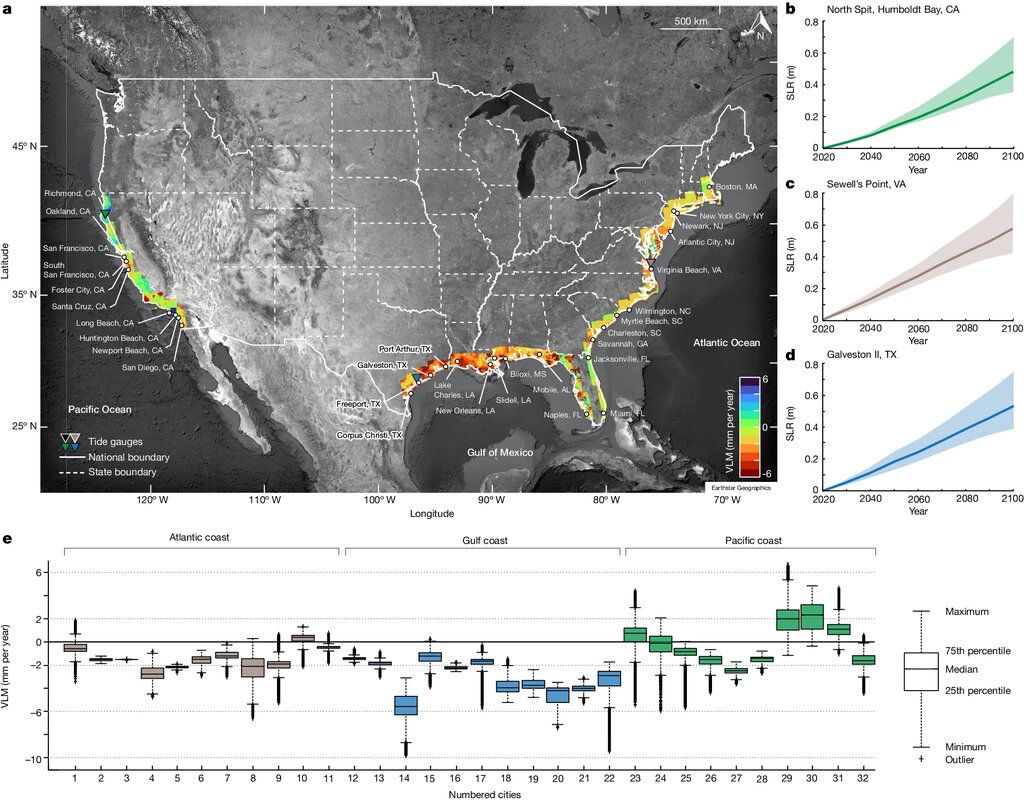
Sea-level rise is a creeping threat. As oceans warm and expand and ice sheets melt, coastlines around the world are slowly being redrawn. For low-lying coastal communities and island nations, this isn't an abstract future problem. It means saltwater contaminating freshwater sources, more frequent flooding, and the eventual loss of land.
Extreme weather events are the most dramatic drivers. A single powerful hurricane, a season of uncontrollable wildfires, or a prolonged, crop-killing drought can displace thousands in an instant. These events destroy homes, infrastructure, and livelihoods, leaving people with no choice but to seek safety and stability elsewhere.
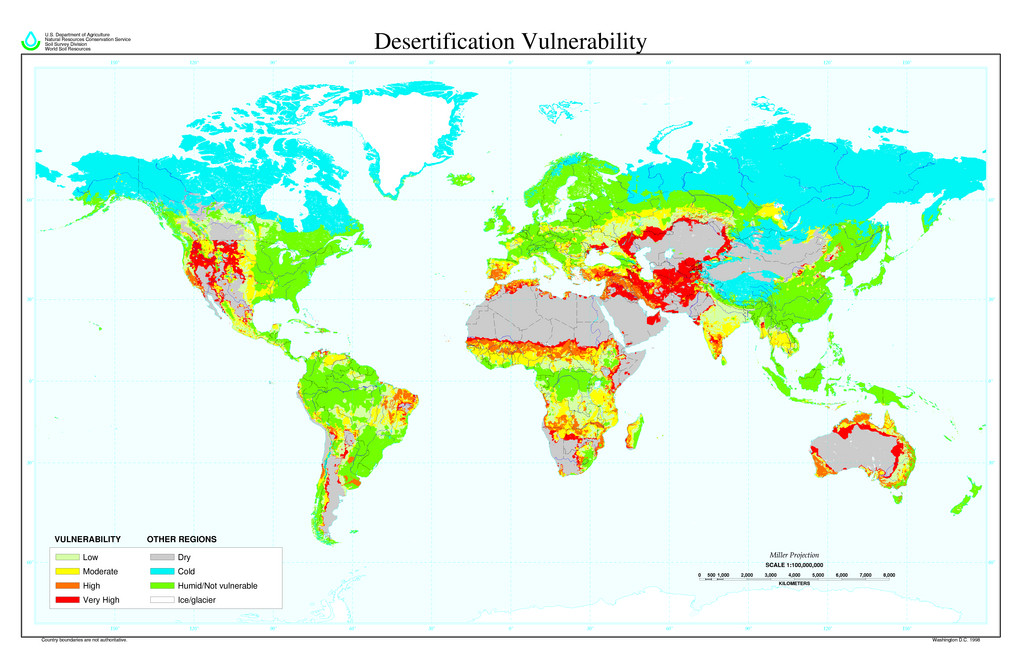
Resource scarcity is a slower, but equally powerful, force. As temperatures rise and rainfall patterns shift, access to essential resources like water and fertile land dwindles. Areas that once supported farming and communities can no longer sustain them, forcing people to move in search of the basic necessities for survival.
Where People Go
When forced to move, most people don't go very far. The majority of climate-driven movement is internal migration, meaning people relocate within their own country's borders. They might move from a flooded rural area to a nearby city or from a coastal region to higher ground inland.
Climate migration will largely look like people moving from one neighborhood to another, across town, to the next county over, to a nearby city.
International migration, crossing borders into other countries, is less common. It's often a last resort, complicated by legal barriers, high costs, and cultural differences. However, when a climate disaster affects an entire region or nation, cross-border movement can become the only option for survival.
Globally, regions most vulnerable to displacement include South Asia, sub-Saharan Africa, and Latin America. These areas often have economies heavily reliant on agriculture and high population densities in coastal zones, creating a perfect storm of exposure and vulnerability.
The consequences of this movement ripple outwards, affecting both the places people leave and the places they arrive.
For communities left behind, the exodus can lead to a shrinking tax base, abandoned homes and infrastructure, and a loss of skilled workers. The local economy falters, making it even harder for those who remain to cope.
For destination communities, a sudden influx of people can strain public services like schools, healthcare, and sanitation. It can drive up housing costs, increase competition for jobs, and sometimes lead to social tensions. Environmentally, rapid, unplanned growth can put pressure on local water supplies and ecosystems.
Ready to check your understanding of these core concepts?
What is the primary factor that defines climate migration?
A prolonged, crop-killing drought forces a farming community to move. This is an example of migration driven by which factor?
Climate migration is not a distant, future scenario. It is a present-day reality that is reshaping communities and economies around the world, creating a complex web of challenges and adaptations.