Choosing HIIT Running Shoes
Tactical Testing Guide
The In-Store Gauntlet
You've done the research. You understand your arch type, the difference between neutral and stability shoes, and why outsole traction matters for lateral movements. Now it's time for the final test: the in-store fitting. This is where theory meets reality. Think of it as a tactical mission to find the perfect shoe.
First, timing is everything. Plan your shopping trip for the afternoon or evening. Your feet naturally swell throughout the day, and fitting shoes to your largest foot size prevents buying a pair that will feel too tight mid-workout.
The Initial Fit Check
Once you have a potential candidate on your foot, stand up and check the fit. The number one rule is the 'rule of thumb'—you should have about a thumb's width of space between your longest toe and the end of the shoe. This extra room accounts for foot spread and swelling during high-impact activities.
Next, assess the width and volume. The shoe should feel snug around your midfoot and heel, but not constricting. Wiggle your toes; they should have room to splay. Pay attention to any pressure points or pinching, especially around the widest part of your foot. Finally, walk around a bit. Your heel should lock into place with minimal to no slipping. A loose heel is a recipe for blisters and instability.
The 30-Second HIIT Trial
Walking around is not enough. You need to simulate the demands of HIIT. Find a clear space in the store and perform a quick, 30-second trial. Don't be shy; this is a critical step.
Start with a few quick side-to-side. Does your foot slide inside the shoe? Does the upper feel supportive, preventing your foot from rolling over the edge of the midsole? Next, do a couple of stationary lunges. Feel how the shoe flexes at the forefoot and supports your heel. Finally, perform a few small, explosive hops in place. Notice the impact absorption. Does the landing feel cushioned but stable? This mini-workout will reveal how the shoe performs under dynamic stress, testing the lateral stability and outsole grip you've learned to evaluate.
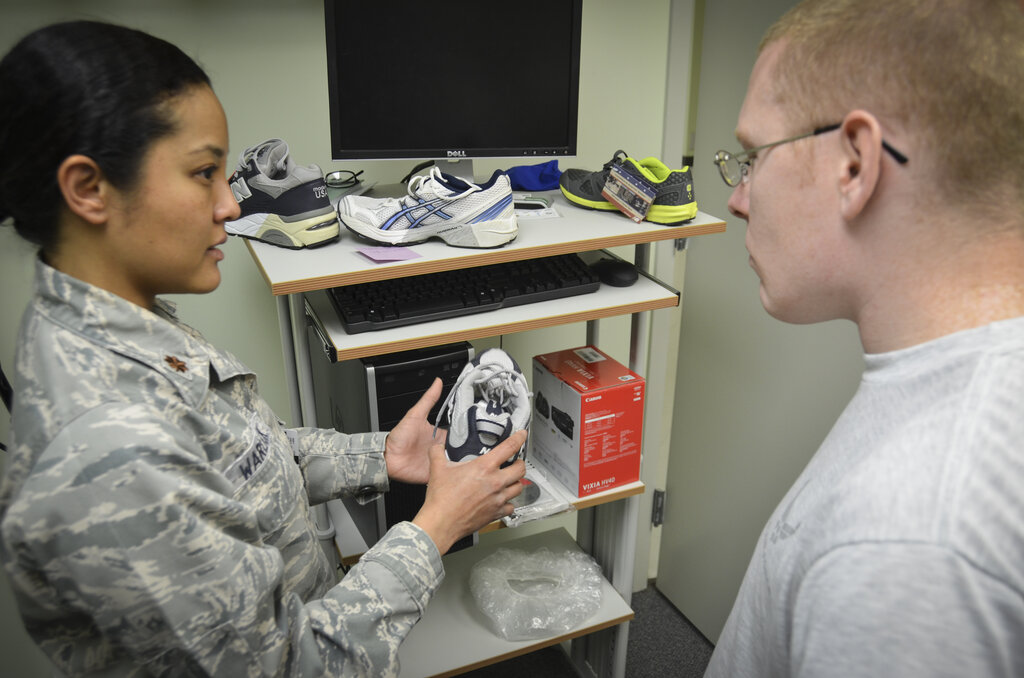
During this trial, connect what you feel to what you know. If you overpronate, does the shoe's medial post or GuideRails system feel like it's providing gentle support? If you have high arches, does the midsole feel like it's conforming to and supporting your arch, or is there a gap? This is your chance to confirm the shoe's architecture works for your unique biomechanics.
Verifying Gait Analysis
Many specialty stores offer a gait analysis, which usually involves a short run on a treadmill while a camera records your feet. The technician will analyze the footage, likely focusing on your degree of pronation. While this is a helpful tool, you are now equipped to be an active participant, not a passive recipient of advice.
When they play back the video, watch for what you learned in the 'Wet Test'. Does the inward roll of your ankle (pronation) look excessive? Do you see your arch collapsing on impact? The technician will likely recommend a stability or neutral shoe based on this. Here is your verification step: ask them why they are recommending a specific model. They should be able to point to features like a firm for overpronation or a more flexible, cushioned midsole for a neutral gait. Your knowledge allows you to have a real conversation and ensure their recommendation aligns with your own assessment.
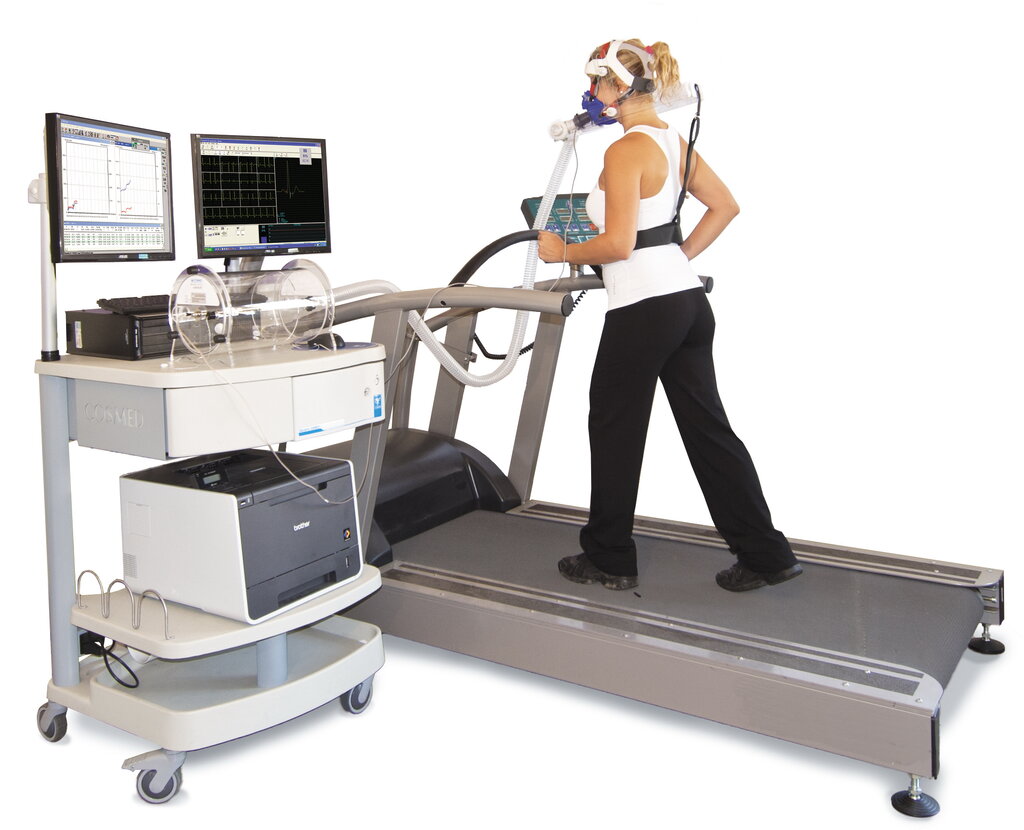
If their advice contradicts your findings, ask questions. For example: "I noticed my old shoes showed wear on the outside edge, suggesting supination, but you're recommending a stability shoe. Can you show me why?" A knowledgeable fitter will appreciate your informed questions and help you find the right solution.
Trust your knowledge, but also trust what you feel. The 'perfect' shoe on paper is useless if it feels uncomfortable on your foot during movement.
According to fitting best practices, when is the ideal time of day to shop for new workout shoes?
When trying on a new pair of shoes, what is the 'rule of thumb' for the amount of space you should have between your longest toe and the end of the shoe?
By following this tactical checklist, you combine your technical knowledge with practical, in-the-moment feedback. You're no longer just buying a shoe; you're selecting a piece of performance equipment optimized for your body and your workout.