Building a Modern Drug Information Database
Introduction to Drug Databases
The Digital Drug Library
At its core, a drug information database is a digital library organized specifically for medications. Think of it as a massive, searchable encyclopedia that stores everything known about a drug, from its chemical makeup to its side effects. This isn't just a simple list; it's a structured system designed to give clear, accurate answers to complex questions.
Healthcare professionals like doctors and pharmacists rely on these databases every day to make safe and effective decisions. Researchers use them to discover new medicines, and regulatory bodies like the Food and Drug Administration (FDA) use them to manage drug approval and safety monitoring. They are the backbone of modern pharmacology.
What's Inside?
Drug databases organize information into specific categories, or data elements. While different databases might focus on different details, they almost all contain a few key pieces of information.
First is the drug's chemical structure. This is like a unique fingerprint. It defines the molecule and is the starting point for understanding how it will behave in the body. No two drugs have the same structure.
Next is pharmacology. This explains how the drug works. It's typically split into two areas:
- Pharmacodynamics: What the drug does to the body. Does it block a receptor? Activate an enzyme? This is the mechanism of action.
- Pharmacokinetics: What the body does to the drug. This covers how the drug is absorbed, distributed throughout the body, metabolized (broken down), and eventually excreted.
Finally, there's clinical usage information. This includes the drug's approved uses (indications), recommended dosages, potential side effects, and crucial warnings about interactions with other drugs or foods.
Different Databases, Different Jobs
Not all drug databases are the same. They are often built for different purposes and audiences.
Some are comprehensive scientific resources intended for researchers. DrugBank, for example, is a popular database that combines detailed chemical and pharmacological data with drug target information. It helps scientists understand how drugs work on a molecular level.
Others are created by government agencies to regulate the market and inform the public. In the United States, the FDA maintains several databases. DailyMed provides high-quality, up-to-date drug labels (also known as package inserts) for healthcare providers. The Orange Book lists approved drug products with therapeutic equivalence evaluations, which helps pharmacists substitute generic drugs for brand-name ones.
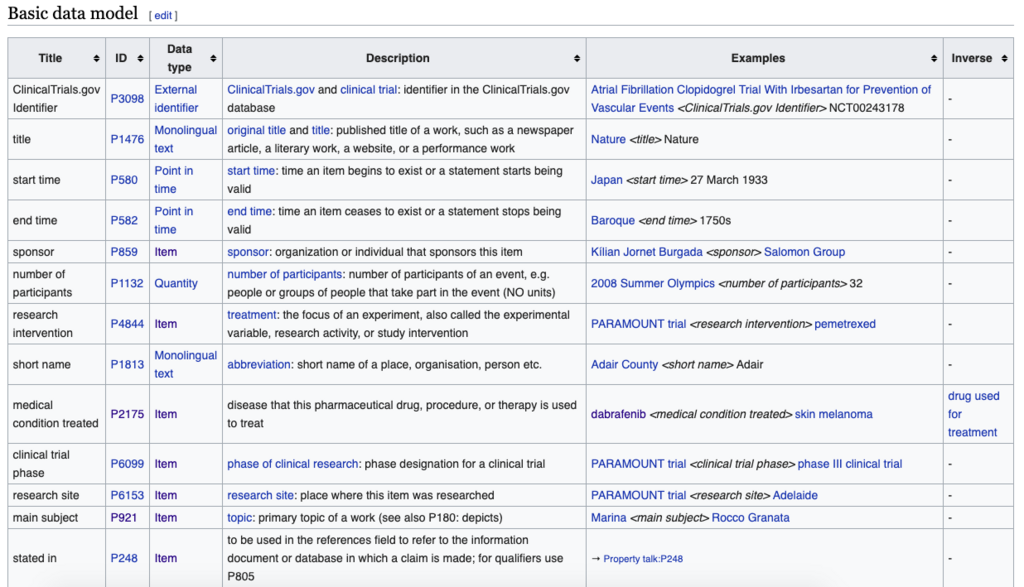
There are also specialized databases that focus on a particular area, like toxicology, natural products, or drug interactions.
Why They Matter
These databases are critical for both patient safety and medical innovation. In a hospital, a doctor can quickly check a database to see if two drugs can be prescribed together safely. This simple query can prevent a life-threatening interaction.
In the pharmaceutical industry, researchers mine these databases to find promising starting points for new drugs. By analyzing the properties of thousands of existing molecules, they can identify patterns that lead to the next breakthrough treatment. This accelerates the long and expensive process of drug discovery.
Ultimately, drug databases turn a sea of complex information into a powerful, accessible tool. They help ensure that the medicines we use are safe, effective, and constantly improving.
What is the primary purpose of a drug information database?
A researcher is studying how a new medication blocks a specific enzyme in the body. This field of study is known as: