Bitcoin Explained
Introduction to Bitcoin
The First Digital Cash
In the midst of the 2008 global financial crisis, a paper appeared online. It was written by someone using the name Satoshi Nakamoto, an identity that remains a mystery to this day. The paper, titled "Bitcoin: A Peer-to-Peer Electronic Cash System," proposed a radical new idea: a form of digital money that didn't need a bank or any central authority to work.
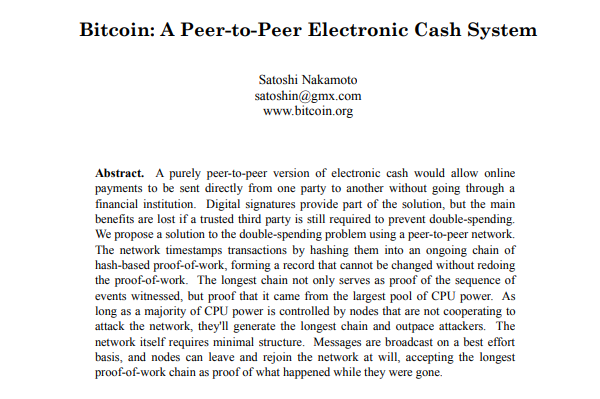
The timing wasn't a coincidence. Many people had lost faith in the traditional financial system. Nakamoto's proposal offered an alternative. It was a vision for a currency that was open, global, and controlled by its users, not by institutions that had proven to be fallible.
Money Without a Middleman
So what was the core goal of Bitcoin? Simply put, it was designed to let two people send money directly to each other online, without needing a third party like a bank or a payment processor to approve the transaction. Think about sending an email. You don't need the post office to verify it; it just goes from your computer to your friend's. Bitcoin aimed to do the same for money.
This removal of intermediaries is the key to Bitcoin. It cuts costs, speeds up transfers (especially across borders), and puts control back in the hands of the individuals making the transaction.
This is made possible by a concept called decentralization. In a traditional system, a bank holds the central ledger of all transactions. In Bitcoin, the ledger is distributed across a global network of computers. No single person, company, or government owns or controls it. This network of peers works together to validate and record every transaction.
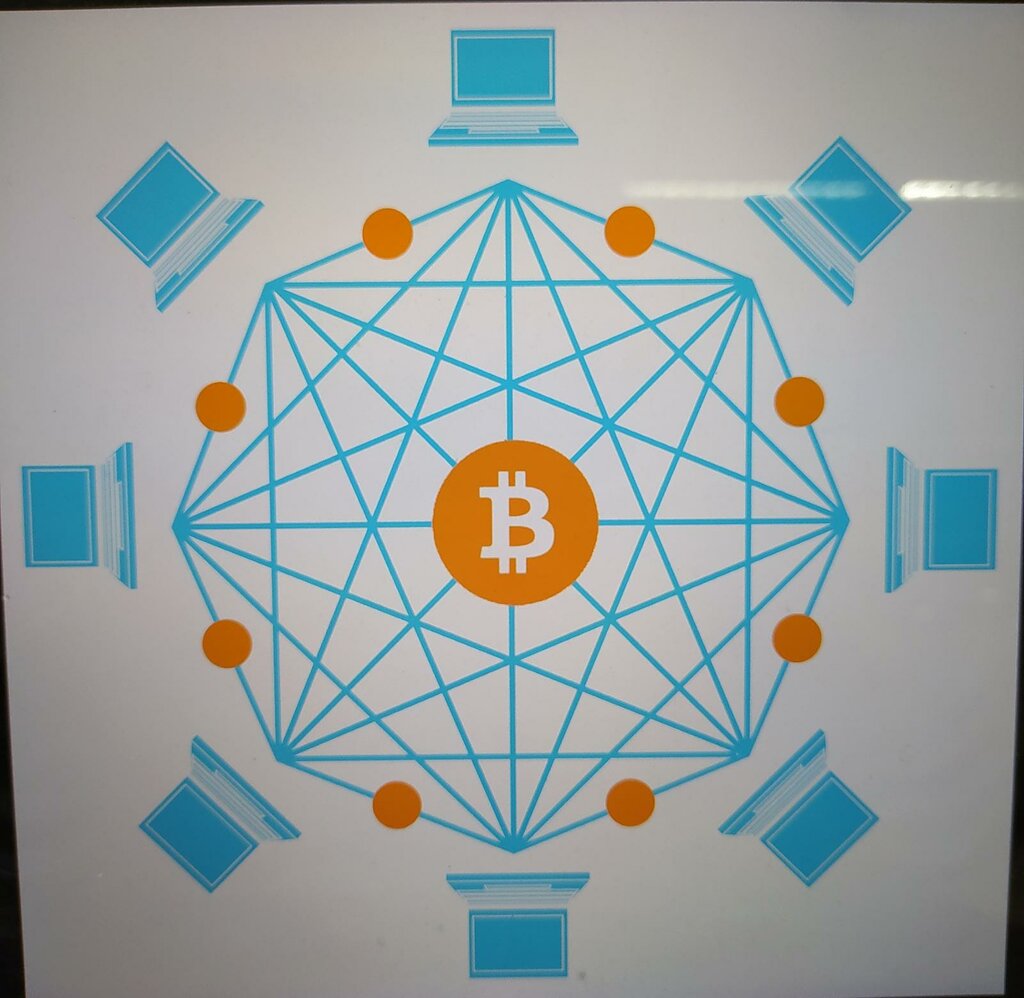
decentralization
noun
The transfer of control and decision-making from a centralized entity (individual, organization, or group thereof) to a distributed network.
Your Digital Identity
When you use a bank, every transaction is tied directly to your legal identity. Your name, address, and personal information are all linked to your account. Bitcoin works differently. Instead of using names, the network uses unique addresses, which are long strings of letters and numbers.
This system is often described as pseudonymous, not anonymous. While your real-world identity isn't directly attached to a Bitcoin address, all transactions are public and permanently recorded on the shared ledger. If your address is ever linked to your identity, your entire transaction history associated with that address can be traced.
Think of it like writing under a pen name. You're not using your real name, but all the work published under that pen name is connected. If someone discovers who you are, they can link you to everything you've written.
This offers a level of privacy that traditional banking doesn't, but it's not a cloak of complete invisibility. It's a different approach to financial identity, one where you have more control over how much information you reveal.
Time to check your understanding of these core concepts.
According to the text, what was the primary goal behind the creation of Bitcoin?
The concept that allows Bitcoin to operate without a central authority by distributing its transaction ledger across a global network is known as _______.
Bitcoin introduced a new way of thinking about money: a system that is digital, decentralized, and global. It was the first of its kind, sparking a worldwide movement around cryptocurrencies and the technology behind them.