AI and Python for Software Sales
Introduction to AI in Sales
Putting AI to Work in Sales
Artificial intelligence in sales isn't about robots making cold calls. It's about using smart technology to help sales teams work more efficiently and make better decisions. Think of it as a powerful assistant that can analyze huge amounts of data to find patterns a human might miss. This allows salespeople to focus less on tedious tasks and more on building relationships and closing deals.
The core idea is simple: AI takes the data your business already has—customer interactions, sales history, market trends—and turns it into actionable insights. It helps answer critical questions like: Which leads should I prioritize? Which customers are at risk of leaving? What will our sales look like next quarter? By automating analysis and routine tasks, AI gives sales professionals a major competitive edge.
An artificial intelligence developer can implement predictive models that score leads based on their likelihood to convert, enabling sales teams to focus their efforts on the most promising prospects.
Key AI Tools for Sales
Several types of AI are reshaping the sales landscape. One of the most impactful is predictive analytics. This technology uses historical data and machine learning algorithms to forecast future events. For a sales team, this means it can score leads automatically, ranking them based on how likely they are to make a purchase. Instead of chasing down every lead, reps can concentrate on the ones with the highest potential, saving time and increasing their success rate.
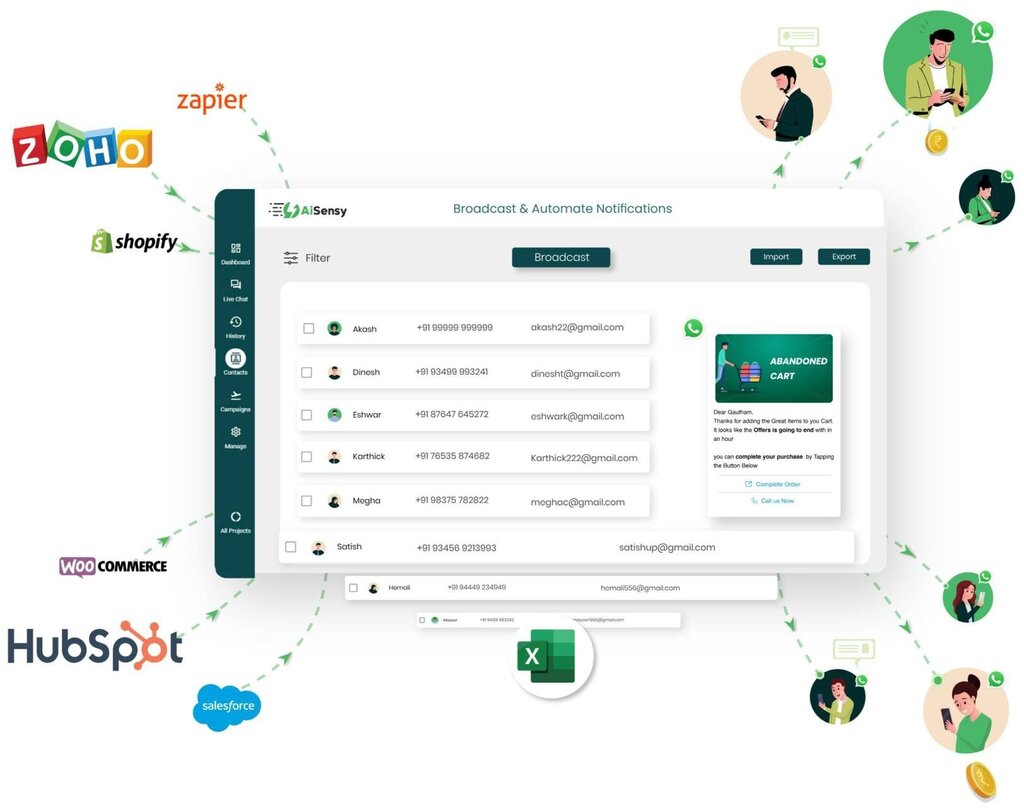
Another powerful application is conversational AI. These are the intelligent chatbots and virtual assistants you see on websites. They can engage with potential customers 24/7, answering common questions, gathering information, and even scheduling demos with a sales rep. This instant engagement ensures that no lead goes cold and frees up the human team to handle more complex negotiations and strategic conversations.
Finally, AI is revolutionizing sales forecasting. Traditional forecasting often relies on gut feelings and simple spreadsheets, which can be inaccurate. AI models, on the other hand, can analyze years of sales data, seasonality, market trends, and even the performance of individual reps to generate highly accurate predictions. This helps leaders set realistic goals, manage inventory, and allocate resources more effectively.
Why It Matters
Integrating AI into the sales process brings tangible benefits. First and foremost is a boost in efficiency. By automating repetitive tasks like data entry, lead scoring, and initial customer outreach, AI frees up valuable time for sales reps. They can spend more of their day selling and less on administrative work.
More time selling means more opportunities to build strong customer relationships and close deals.
AI also leads to smarter decision-making. With data-driven insights at their fingertips, sales teams can make more informed choices about where to focus their efforts. This improves everything from individual sales strategies to high-level business planning. The result is a more effective sales operation that can better anticipate customer needs and adapt to changing market conditions.
What is the primary goal of using artificial intelligence in a sales context?
A sales manager wants to automatically rank new leads based on how likely they are to make a purchase. Which type of AI would be most effective for this task?
Ultimately, AI empowers sales teams to understand their customers on a deeper level and engage with them more effectively, driving revenue and building a stronger business.