Advanced Carnivore Diet Mastery
Advanced Electrolyte Management
Beyond Salt: Long-Term Electrolyte Strategy
On a zero-carb diet, your body's relationship with minerals changes dramatically. You already know about gluconeogenesis and ketosis, but the hormonal shifts that enable this state also rewire how your kidneys handle electrolytes. Specifically, lower insulin levels trigger a process called natriuresis of fasting, where the kidneys excrete more sodium. This is why simply salting your food is crucial, but it's not the whole story for long-term health.
Maintaining balance isn't just about adding sodium. It's about managing the delicate interplay between four key minerals: sodium (Na+), potassium (K+), magnesium (Mg2+), and calcium (Ca2+). An imbalance can lead to subtle but persistent issues like muscle cramps, heart palpitations, fatigue, or poor sleep, which are often mistaken for other problems. Your body doesn't just need more salt; it needs the right ratio of all its essential minerals.
The Sodium-Potassium Axis
Sodium and potassium work together like a battery for your cells, managed by the sodium-potassium pump. This pump maintains the electrochemical gradient across cell membranes, which is vital for nerve impulses and muscle contractions. When you increase sodium intake, your body's need for potassium also changes. A meat-only diet is naturally rich in potassium, but a very high sodium intake without adequate potassium can still lead to problems. The goal is balance, not just abundance.
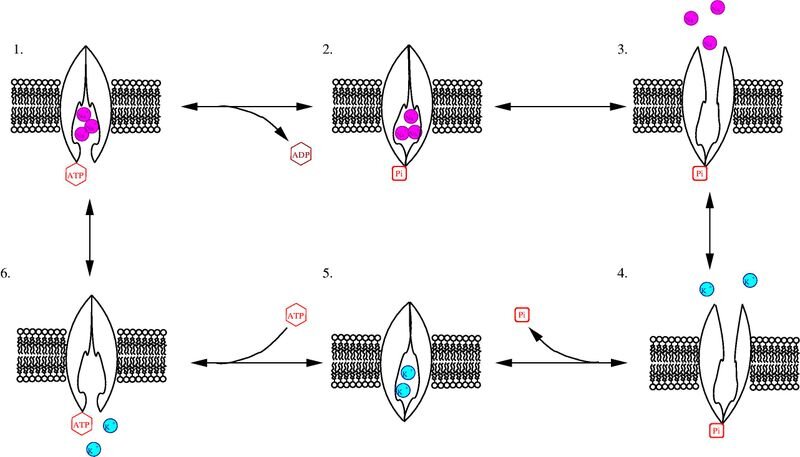
Signs of a sodium-potassium imbalance can include muscle weakness or twitching. If you're salting your food liberally but still experience cramps, you might need more potassium. Excellent sources on a carnivore diet include red meat, salmon, and pork. For instance, a pound of ground beef contains a significant amount of your daily potassium needs.
Electrolytes regulate nerve function, muscle contraction, and fluid balance.
Magnesium and Calcium
Magnesium is a cofactor in over 300 enzymatic reactions, influencing everything from energy production to DNA repair. It also plays a key role in muscle relaxation and nervous system regulation. Deficiency is common and can manifest as muscle twitching, poor sleep, anxiety, or heart palpitations. While meat contains magnesium, it's often not enough to meet demands, especially under stress or with high physical activity.
Good animal-based magnesium sources can be harder to find. Bone broth made with added apple cider vinegar (to help leach minerals) is a good option. Certain mineral waters can also be high in magnesium. Some people find supplementation necessary, often with forms like magnesium glycinate or malate, which are well-absorbed.
Calcium is equally important, particularly its ratio to phosphorus. Meat is very high in phosphorus, which can interfere with calcium absorption if calcium intake is too low. This calcium-to-phosphorus ratio is critical for bone health. Relying solely on muscle meat can create an imbalance. To ensure adequate calcium, include dairy (if tolerated), canned fish with bones (like sardines), and bone broth in your diet. Eggshells, when ground into a fine powder, are another excellent source of bioavailable calcium.
| Mineral | Key Function | Signs of Imbalance | Carnivore Sources |
|---|---|---|---|
| Sodium | Fluid balance, nerve function | Fatigue, headache, weakness | Salt, cured meats, bone broth |
| Potassium | Muscle contraction, cell gradient | Muscle cramps, weakness, palpitations | Red meat, salmon, avocado (if included) |
| Magnesium | Muscle relaxation, enzyme function | Twitching, poor sleep, anxiety | Bone broth, mineral water, supplements |
| Calcium | Bone health, muscle function | Muscle spasms, weak bones | Dairy (if tolerated), bone-in fish, eggshells |
Achieving Long-Term Homeostasis
Achieving long-term electrolyte balance is a dynamic process of listening to your body. There's no single magic number for everyone. Your needs will vary based on your activity level, stress, and even the weather. If you're experiencing symptoms, don't just add more of one mineral. Consider the system as a whole.
A useful strategy is to track your symptoms and make small, incremental adjustments. Feeling fatigued? Try a bit more sodium. Experiencing muscle twitches at night? It could be a sign you need more or potassium. Heart palpitations can be a sign of low potassium. By correlating these biofeedback signals with your intake, you can fine-tune your mineral strategy for stable, long-term health on a zero-carb diet.
Now, let's test your understanding of these crucial mineral interactions.
What is the primary hormonal reason for increased sodium excretion when starting a zero-carb diet?
If you are salting your food generously on a carnivore diet but still experience muscle cramps and weakness, which mineral imbalance is the most likely cause?
Successfully managing electrolytes is a cornerstone of thriving long-term on a carnivore diet. It moves beyond simple rules and into a deeper conversation with your own physiology.