Advanced Carnivore Diet Mastery
Metabolic Physiology
Beyond Glucose: The Ketone Economy
When dietary carbohydrates are removed, the body undergoes a profound metabolic shift. It moves from relying on glucose as its primary fuel to burning fat. This transition culminates in a state of sustained nutritional ketosis, where the liver actively converts fatty acids into ketone bodies. These molecules become the new powerhouse for your brain and muscles.
Ketosis is the metabolic state where your body shifts from using glucose to using ketone bodies (like BHB and acetoacetate) as a primary fuel.
The liver produces three main types of ketone bodies: beta-hydroxybutyrate (BHB), acetoacetate, and acetone. Acetoacetate is formed first from the breakdown of fatty acids. It can then be converted into BHB, which is a more stable and efficient energy carrier, or it can spontaneously break down into acetone, which is often expelled through breath, giving it a characteristic fruity smell.
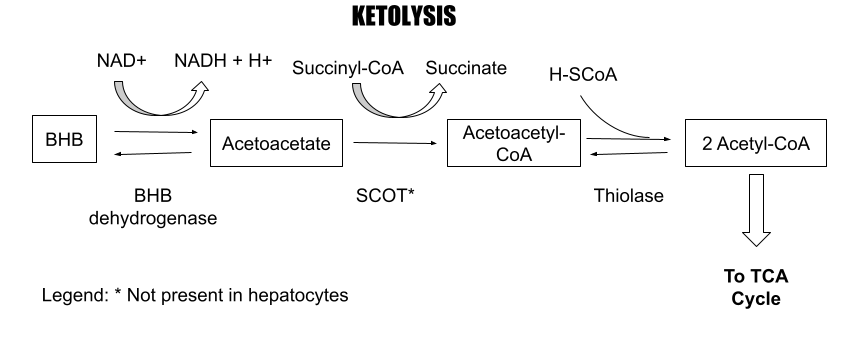
It's crucial to distinguish this safe, stable metabolic state from diabetic ketoacidosis (DKA). Nutritional ketosis involves ketone levels that are an order of magnitude lower than those seen in DKA. In nutritional ketosis, blood BHB levels typically range from 0.5 to 3.0 mmol/L. In DKA, a pathological condition usually seen in uncontrolled Type 1 diabetes, ketone levels can exceed 20 mmol/L, leading to a dangerous drop in blood pH. The presence of insulin, even at the low levels seen on a zero-carb diet, prevents this runaway ketone production.
Gluconeogenesis: On-Demand Glucose
Even in a state of ketosis, some tissues in the body still require glucose. These include red blood cells, which lack mitochondria, and certain parts of the brain and kidneys. To meet this need, the body employs a process called gluconeogenesis (GNG), which means "the making of new glucose."
This isn't a process that runs uncontrollably. Instead, GNG is a highly-regulated, demand-driven pathway. The body produces only as much glucose as it needs to supply those specific tissues. It doesn't create excess glucose that would raise blood sugar levels unnecessarily.
But where does this new glucose come from if you aren't eating carbs? The body is resourceful and can create glucose from several non-carbohydrate sources:
- Glycerol: When triglycerides (stored fat) are broken down into fatty acids and glycerol, the glycerol backbone can be converted into glucose in the liver.
- Lactate: Produced by muscles during intense exercise, lactate can travel to the liver and be recycled back into glucose through the Cori cycle.
- Amino Acids: Certain amino acids, primarily alanine, can be converted into glucose. This is where the concern about protein intake often arises.
A common misconception is that eating a large amount of protein will trigger excessive gluconeogenesis, spike insulin, and kick you out of ketosis. However, studies show this isn't the case. GNG from amino acids is primarily regulated by the insulin-to-glucagon ratio, not simply by the amount of protein you eat.
The Insulin and Glucagon Balance
On a high-carbohydrate diet, eating carbs causes a sharp rise in insulin and a drop in glucagon. Insulin's job is to shuttle glucose into cells and promote storage. Glucagon, on the other hand, tells the liver to release stored glucose and initiate GNG.
On a zero-carb, high-protein diet, this dynamic changes. When you eat protein, both insulin and glucagon rise. Insulin responds to the incoming amino acids, but the simultaneous rise in glucagon effectively signals to the liver, "Don't worry about storing all this energy; continue producing the fuel we need." This balanced hormonal signal keeps GNG running smoothly as a demand-driven process and prevents the blood sugar spikes seen with carbohydrate intake. The result is stable energy and a steady supply of both ketones and the minimal necessary glucose, all without dietary carbs.
When dietary carbohydrates are removed, the body primarily shifts to using which substance for fuel?
What is the process of creating new glucose from non-carbohydrate sources like amino acids and glycerol called?
This intricate balance between ketone production and on-demand glucose synthesis is what allows the body to thrive in the absence of carbohydrates, maintaining metabolic stability and providing consistent energy to all its tissues.