Zoning Permit Essentials
Introduction to Zoning
What is Zoning?
Walk through any city, and you'll notice a certain order. Shops are clustered together, houses line quiet streets, and factories are usually off on their own. This isn't an accident. It's the result of zoning.
Zoning is a method of urban planning where a municipality divides land into different districts, or “zones.” Each zone has a set of rules about what can and can't be built there. Think of it like organizing a grocery store: you have an aisle for produce, another for dairy, and another for cleaning supplies. You wouldn't put fresh bread next to bleach. Similarly, zoning aims to keep a noisy factory from being built next to a quiet residential neighborhood.
The main goal of zoning is to guide a community's growth and development in an orderly way, separating incompatible land uses while promoting public health, safety, and general welfare.
These regulations control not just the type of land use (like residential or commercial), but also the specifics of development. This includes the size and height of buildings, how far they must be set back from the street, how much parking is required, and even the types of signs that can be displayed.
A Brief History
Modern zoning laws in the United States began to take shape in the early 20th century. As cities grew rapidly during the Industrial Revolution, they became crowded and chaotic. Factories spewing smoke and noise were often located right next to homes, creating unhealthy and unpleasant living conditions.
New York City adopted the first comprehensive zoning ordinance in 1916. The goal was to manage the explosive growth of skyscrapers that were casting long shadows over the streets below and to bring some order to the city's development. Other cities quickly followed suit.
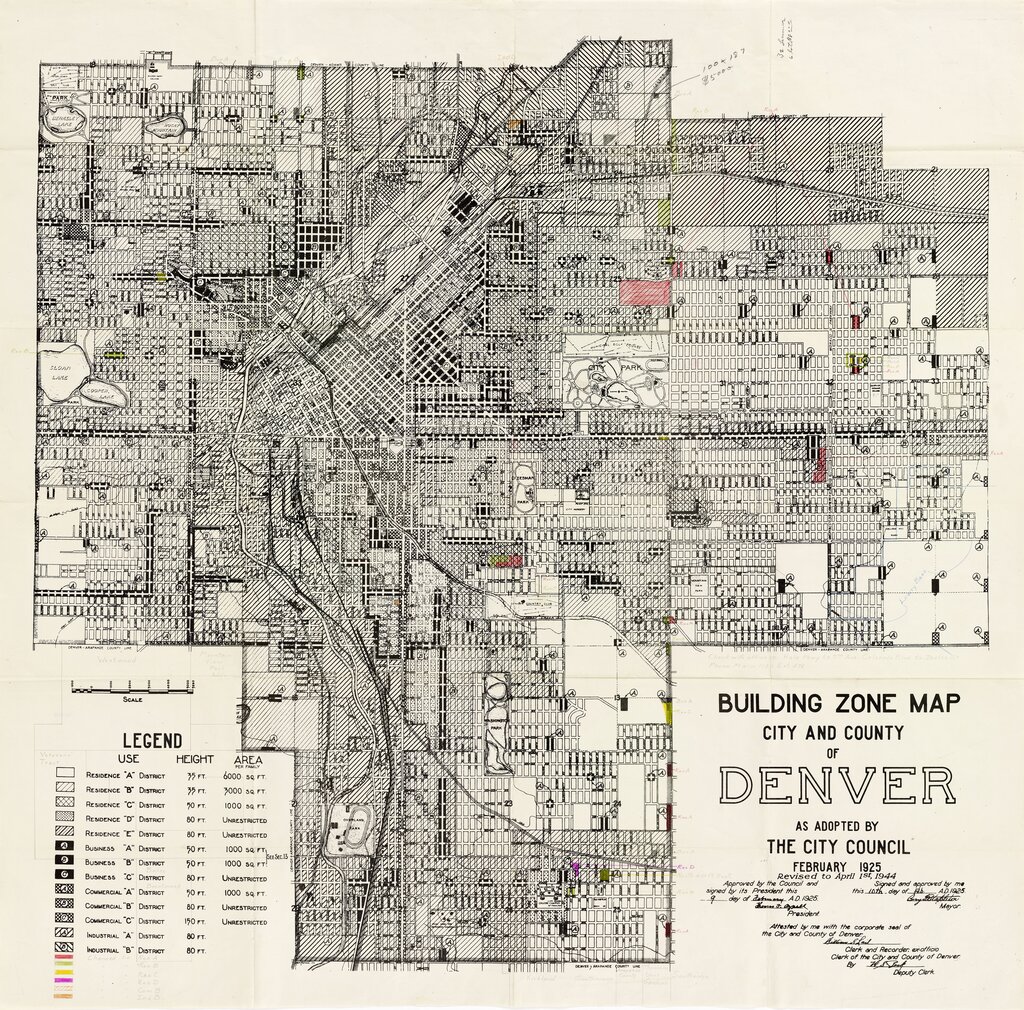
A key moment in zoning history came in 1926 with the Supreme Court case Village of Euclid v. Ambler Realty Co. The court ruled that zoning was a legitimate use of a city's power to protect the public's well-being. This decision cemented the legality of zoning across the country, paving the way for the planned communities we see today.
The Zoning Alphabet
Zoning codes can seem like an alphabet soup of letters and numbers (R-1, C-2, I-3), but they generally fall into a few main categories. While the specific codes vary from one city to another, the basic classifications are quite common.
| Zone Type | Common Codes | Typical Uses |
|---|---|---|
| Residential | R-1, R-2, R-M | Single-family homes, duplexes, apartment buildings |
| Commercial | C-1, C-2, CBD | Retail shops, restaurants, offices, shopping centers |
| Industrial | I-1, I-M | Factories, warehouses, manufacturing plants |
| Agricultural | A-1, AG | Farms, ranches, open land |
| Mixed-Use | MXD, MU-N | A combination of residential, commercial, and office spaces in one area or building |
Within each category, there are often sub-zones. For example, an R-1 zone might permit only single-family homes on large lots, while an R-3 zone could allow for high-density apartment buildings.
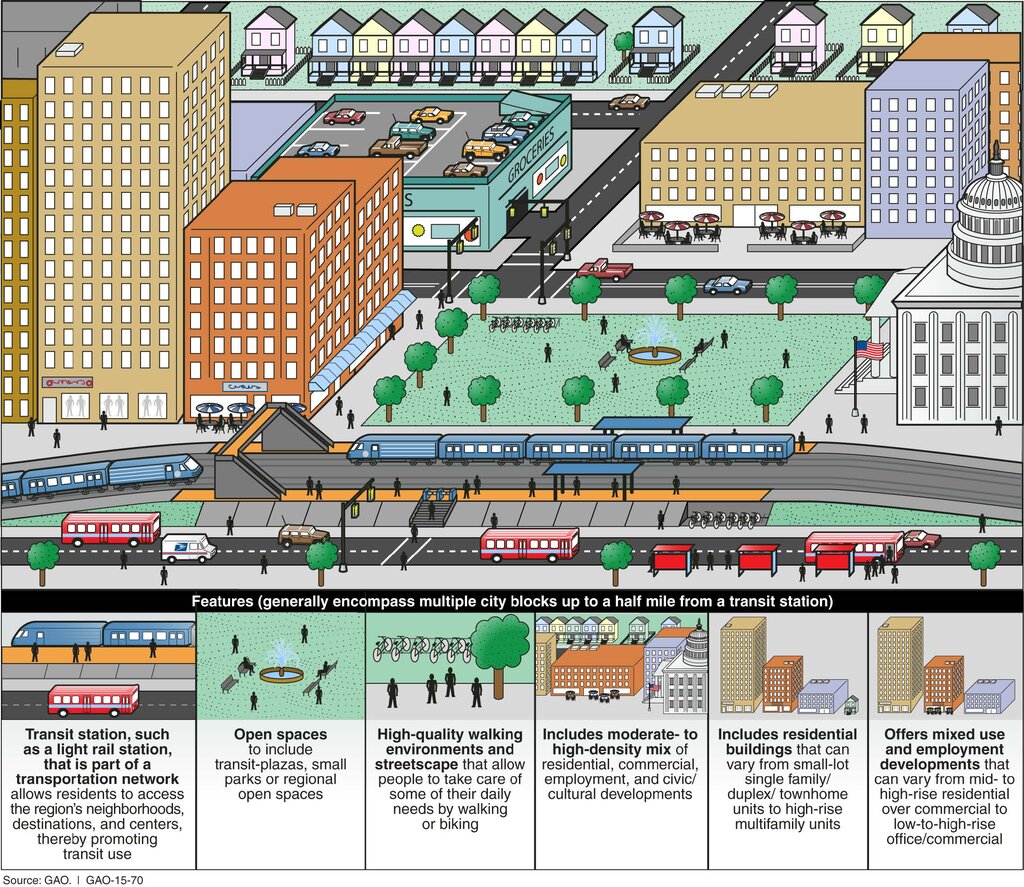
Mixed-use zoning has become increasingly popular in recent decades. It challenges the traditional idea of strict separation. Instead, it aims to create vibrant, walkable neighborhoods where people can live, work, and shop without needing a car. This approach is often a key feature of Transit-Oriented Development (TOD), which focuses on creating dense, walkable communities around public transportation hubs.
Shaping Our Communities
Zoning does more than just sort buildings. It shapes the character and feel of a neighborhood, influences property values, and directs the flow of traffic. When done well, it creates predictable and stable environments. Homeowners can be confident a factory won't be built next door, and businesses can invest in a commercial district knowing it will remain a hub of activity.
However, zoning is not without its controversies. Some argue that strict zoning, especially for single-family homes, can limit the supply of housing and drive up costs. Historically, zoning has also been used as a tool for segregation, creating and maintaining economic and racial divides between neighborhoods. Today, many cities are re-examining their zoning codes to address these issues, exploring more flexible approaches that encourage a wider variety of housing types and more integrated communities.
The Zoning Ordinance is used by the City to regulate the size, type, structure, and use of land or buildings in designated areas of the City.
Understanding the basics of zoning is the first step in understanding how our cities are built and how they evolve. It's the invisible framework that governs everything from the corner store to the tallest skyscraper, shaping the places where we live our lives.
What is the primary purpose of zoning in urban planning?
Which U.S. Supreme Court case solidified the legality of zoning as a legitimate function of government power?