Zone 2 Training Optimization
Mitochondria and Metabolism
The Cellular Engine of Endurance
Zone 2 training isn't just about going slow; it's about fundamentally re-engineering your body's energy systems at the cellular level. This intensity specifically targets and stimulates your Type I muscle fibers, the slow-twitch fibers designed for sustained, endurance-based efforts. Unlike their fast-twitch counterparts used for sprinting and heavy lifting, Type I fibers are packed with mitochondria and have a rich blood supply, making them highly efficient at using oxygen to generate fuel.
The goal of Zone 2 work is to stress these aerobic fibers just enough to trigger adaptation, without recruiting the more powerful, sugar-hungry Type II fibers.
Building More Power Plants
The primary adaptation from consistent Zone 2 training is mitochondrial biogenesis, which is simply the creation of new mitochondria. Think of mitochondria as the power plants of your cells. The prolonged, low-intensity stress of this training signals to your muscle cells that their current energy production capacity is insufficient for the demands being placed on them. In response, they build more and larger mitochondria.
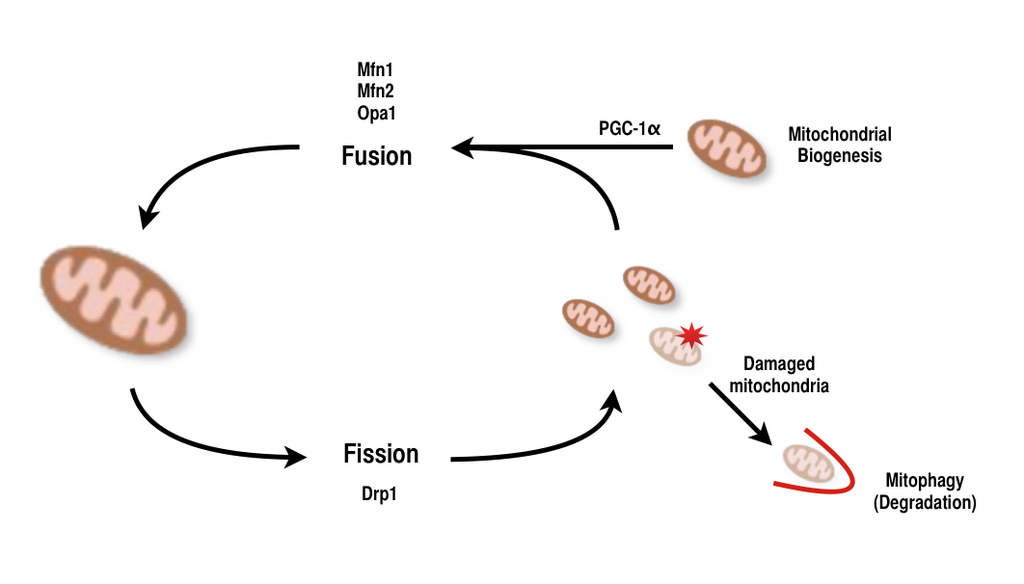
This increase in mitochondrial density is the secret to enhancing your aerobic base. With more power plants, your body improves its ability to use oxygen to burn fuel. This leads to a higher capacity for fat oxidation. Instead of relying primarily on your limited stores of muscle glycogen, your body becomes better at tapping into its vast reserves of body fat for energy. This skill is the foundation of metabolic flexibility—the ability to efficiently switch between fuel sources based on demand.
As aerobic fitness or Zone 2 proficiency increases, the crossover point is raised to a higher heart rate, thus conserving energy at submaximal workloads and keeping blood lactate (and hydrogen ion) concentrations at levels which are more easily cleared.
Recycling Fuel on the Fly
A common misconception is that lactate is purely a metabolic waste product that causes fatigue. In reality, it's a valuable intermediate fuel source. During glycolysis, glucose is broken down into pyruvate. When energy demand is high, or when oxygen delivery can't quite keep up, pyruvate is converted into lactate. This happens even at low intensities.
Well-trained athletes don't just produce less lactate; they become exceptionally good at clearing and reusing it. This is where a specific protein transporter comes into play.
Zone 2 training significantly increases the density of monocarboxylate transporter 1, or MCT-1 transporters, on the membranes of slow-twitch muscle fibers. These transporters act like revolving doors, actively pulling lactate from the bloodstream back into the muscle cell and shuttling it directly to the mitochondria. Once inside, lactate is converted back to pyruvate and enters the Krebs cycle to be oxidized for ATP. Your body learns to see lactate not as a problem, but as a preferred, fast-burning fuel for aerobic metabolism.
This process also improves enzymatic function. The activity of enzymes like citrate synthase, a key rate-limiting enzyme in the Krebs cycle, increases. Measuring citrate synthase activity is a common way for scientists to assess mitochondrial density in muscle tissue.
Improving Metabolic Health
These cellular adaptations have profound effects that extend beyond athletic performance. By improving your body's ability to clear and use fuel, you also enhance your insulin sensitivity. Zone 2 exercise increases the expression of GLUT4 transporters in muscle cells. These are the primary gateways for glucose to enter the cell from the bloodstream in response to insulin.
With more GLUT4 transporters and more efficient mitochondria to process the incoming glucose, your body becomes much better at managing blood sugar. This is why Zone 2 training is a powerful tool for preventing and even reversing metabolic dysfunction and insulin resistance. It builds a robust metabolic foundation that supports both longevity and high performance.
What is the primary cellular adaptation that occurs in response to the low-intensity stress of Zone 2 training?
Zone 2 training improves the body's ability to use lactate as a fuel source.