Zhu Di The Yongle Emperor
Introduction to the Ming Dynasty
The Rise of the Ming
By the mid-14th century, the Mongol-led Yuan Dynasty was crumbling. Decades of famine, plague, and peasant uprisings had weakened its grip on China. From the chaos, a remarkable leader emerged: Zhu Yuanzhang, a man of humble peasant origins who had spent time as a Buddhist monk and a rebel commander.
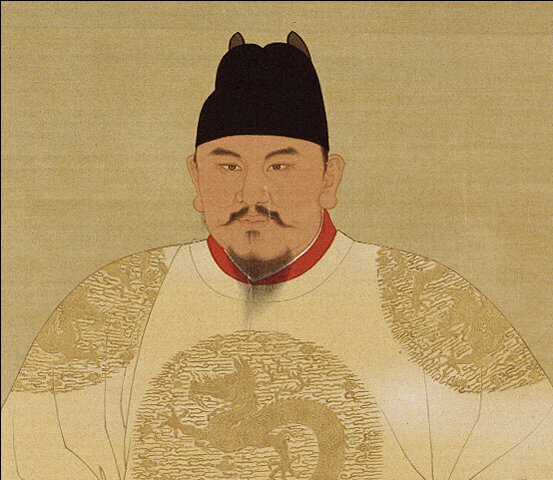
After years of fighting, Zhu Yuanzhang's forces captured the Yuan capital, Dadu (modern-day Beijing), in 1368. The last Yuan emperor fled, and Zhu declared the founding of a new dynasty: the Ming, meaning "brilliance." He established his capital in Nanjing and took the reign name Hongwu, meaning "vastly martial."
The Ming Dynasty marked a return to native Han Chinese rule after nearly a century of Mongol governance. This shift was more than just political; it was a conscious effort to restore traditional Chinese culture, institutions, and values.
A New Order
The Hongwu Emperor created a highly centralized and authoritarian government. He abolished the position of prime minister to consolidate power directly in his own hands, making the emperor the absolute center of the state. This structure would define the Ming political system for centuries.
To staff his bureaucracy, Hongwu revitalized the civil service examination system. Aspiring officials had to master a rigorous curriculum based on Confucian classics. Success in these exams was the primary path to power and prestige, creating a class of scholar-officials who were loyal to the state and steeped in traditional philosophy.
One of the most critical aspects of cultural restoration during the Ming Dynasty was the revival of Confucianism.
Ming society was strictly hierarchical. At the top were the emperor and his family, followed by the scholar-gentry who ran the empire. Below them were farmers, artisans, and merchants. While merchants could become wealthy, they were officially ranked at the bottom of the social order, reflecting the Confucian ideal that agriculture, not commerce, was the foundation of a stable society.
Prosperity and Trade
The early Ming rulers focused on rebuilding the economy, which had been devastated by war. The Hongwu Emperor implemented policies to support agriculture, the empire's economic backbone. He initiated land redistribution, offered tax breaks to farmers, and undertook massive reforestation and irrigation projects.
These efforts led to a surge in population and agricultural output. With this stability, commerce and industry began to flourish. Urban centers grew, and industries like silk weaving and cotton production expanded. Chinese workshops produced some of the finest goods in the world.
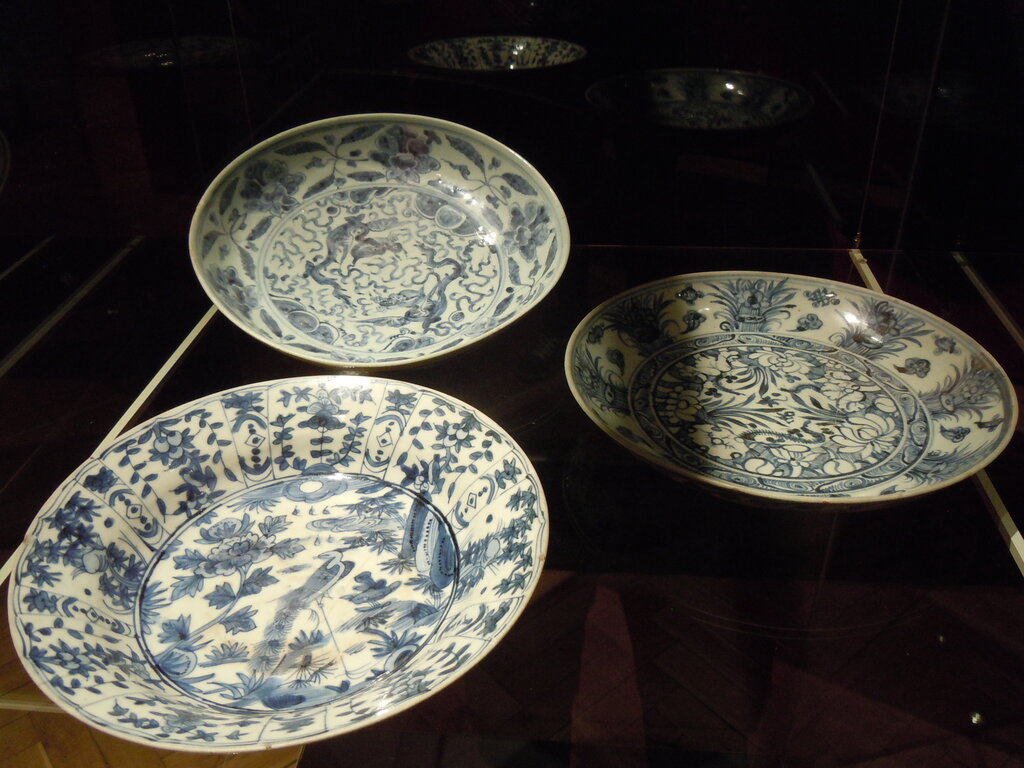
Ming porcelain, in particular, became a major export. The iconic blue-and-white ware produced in the kilns of Jingdezhen was prized from Southeast Asia to Europe. The demand for Chinese goods brought a massive influx of silver into the country, especially from Japan and the Americas (via Spanish traders). Over time, silver became the standard currency, replacing the unreliable paper money of the Yuan Dynasty.
A Cultural Golden Age
The stability and prosperity of the Ming Dynasty nurtured a vibrant cultural scene. Artists produced exquisite paintings, calligraphy, and lacquerware. It was also a great age for literature, marked by the rise of the novel. Classics like Journey to the West and Water Margin were compiled and printed, making them accessible to a wider audience.
The Ming emperors were also ambitious builders. They undertook massive public works, including the expansion and reinforcement of the Great Wall into the formidable structure we know today. This era laid the groundwork for a period of immense growth and influence in China's history.
Ready to test your knowledge? Let's see what you've learned about the founding and structure of this pivotal dynasty.
Who was the founder of the Ming Dynasty, and what was his reign name?
To centralize power and make the emperor the absolute center of the state, the Hongwu Emperor made what significant change to the government structure?
The establishment of the Ming Dynasty created a stable and prosperous foundation, setting the stage for some of China's most significant achievements.