Zero-Party Data Explained
Introduction to Zero-Party Data
What Is Zero-Party Data?
Think about the last time you filled out a quiz on a website that promised to find your perfect skincare routine or ideal travel destination. The preferences you shared—your skin concerns, your travel style—are perfect examples of zero-party data. It's information that you, the customer, intentionally and proactively share with a brand.
Zero-party data is collected voluntarily and directly from customers.
Unlike data that is collected behind the scenes through tracking and observation, zero-party data is given freely. It’s a direct conversation between you and the company. You're in complete control, deciding what to share and when, usually in exchange for a more personalized experience or recommendation.
The Four Data Types
To understand why zero-party data is becoming so important, it helps to see how it compares to other types of data that companies use.
| Data Type | How It's Collected | Example |
|---|---|---|
| Zero-Party | Directly and voluntarily shared by the user. | A customer tells a brand their favorite color in a quiz. |
| First-Party | Collected by a company from its own sources. | A user's purchase history on an e-commerce site. |
| Second-Party | Someone else's first-party data, shared directly. | An airline sharing its customer data with a hotel partner. |
| Third-Party | Purchased from data aggregators with no direct user relationship. | A list of people who own a specific car model. |
The key difference comes down to transparency and consent. With zero-party data, there are no surprises. You know exactly what information you're giving away and why.
Why It Matters Now
In recent years, privacy has become a major concern for consumers and regulators alike. Laws like GDPR in Europe and various state-level acts in the U.S. have put strict limits on how companies can collect and use personal information. At the same time, major tech companies are phasing out third-party cookies, which have long been the backbone of digital advertising.
This shift makes data that is given with explicit consent more valuable than ever. Zero-party data is not just compliant by nature; it's also more accurate and reliable. After all, who knows a customer's preferences better than the customer themselves?
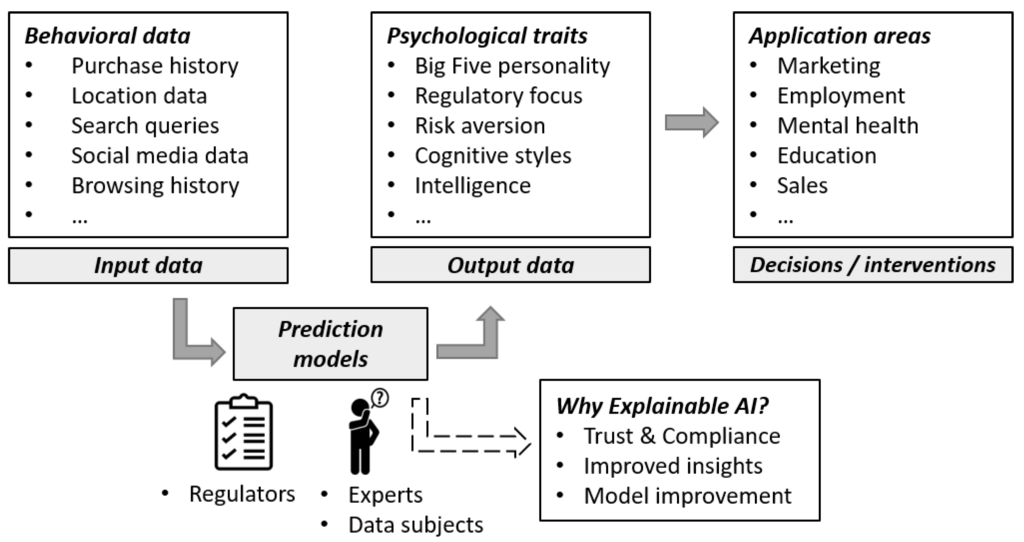
This direct line of communication helps build trust. When a brand asks for your preferences instead of just tracking your behavior, it changes the dynamic from surveillance to conversation. It shows respect for your privacy and gives you control over your own data. This foundation of trust is essential for building long-term customer relationships in a privacy-conscious world.
Ultimately, zero-party data allows businesses to move beyond making assumptions and start building relationships based on what customers actually want.