ZenArt Mastery and Advanced Line Conceptions
Precision Stroke Mechanics
The Life in a Line
A line is more than just a mark connecting two points. In skilled hands, a single stroke can convey weight, light, and energy. This moves beyond the uniform, static lines of simple sketching. It's about infusing each mark with intention and life, turning a flat drawing into something with dimension and character.
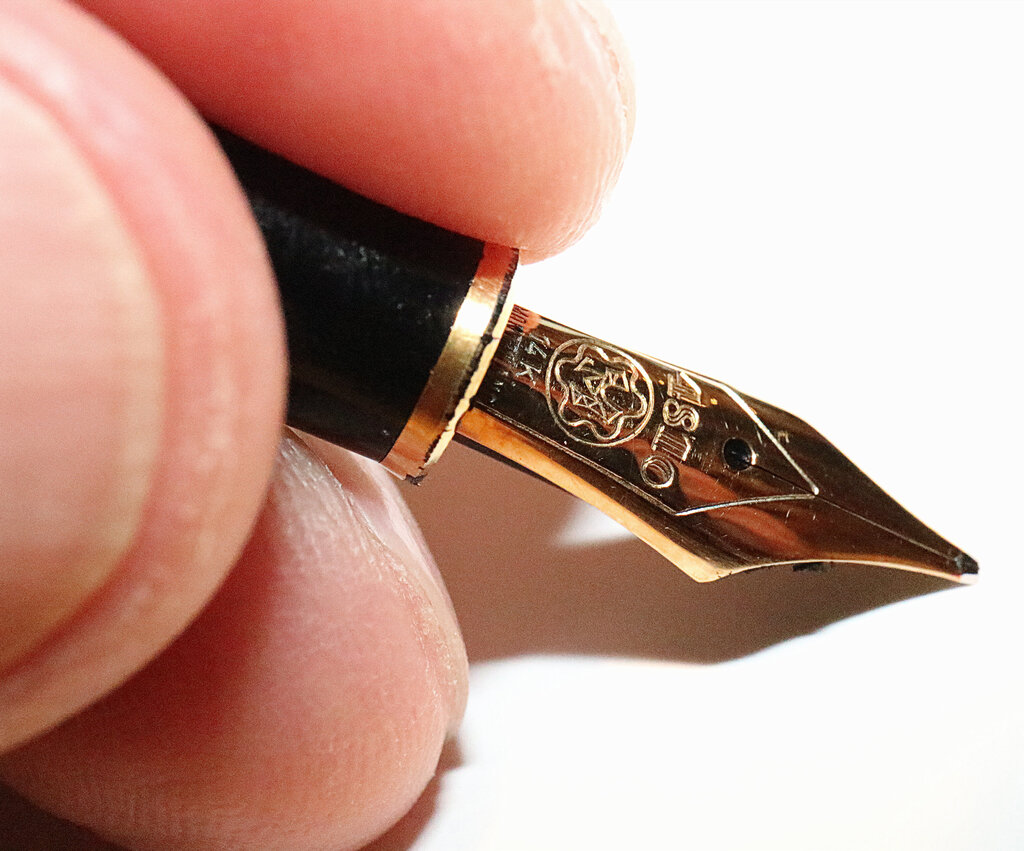
The quality of your line begins with the conversation between your pen, your ink, and your paper. Different tools respond in unique ways. A pigment liner, for example, offers a consistent, predictable flow of ink. It’s reliable and excellent for uniform work. A fountain pen, however, is more expressive. Its ink flow can change with your speed, angle, and the pressure you apply, allowing for more dynamic strokes.
This is where the paper's surface comes into play. The texture, known as 'tooth', dictates how the ink settles.
Paper Tooth
noun
The surface texture of paper. Paper with more tooth is rougher and grabs more of the drawing medium, while paper with less tooth is smoother, allowing for sharper lines.
A high-tooth paper can create a slightly broken, textured line as the ink catches in its valleys. A smooth, low-tooth paper, like hot-press watercolour paper or Bristol board, allows the nib to glide, producing crisp, unbroken lines. Understanding how your chosen ink will behave on a specific surface is the first step towards controlling it.
Mastering Line Weight
Varying the thickness of your lines within a single piece is a powerful way to create depth and visual interest. Thicker lines can suggest weight, shadow, or proximity to the viewer. Thinner, more delicate lines can indicate distance, light, or fine detail. The key is controlling the pressure you apply to the page.
With a flexible nib, a gentle touch produces a fine line. As you apply more pressure, the tines of the nib spread, laying down more ink and creating a thicker stroke. The art of tapering—smoothly transitioning from thin to thick and back to thin in one continuous motion—is what gives lines their elegant, calligraphic quality.
Achieving this control requires practice. It’s not about muscle, but about sensitivity. Try holding your pen further back from the tip; this encourages you to use your whole arm rather than just your fingers, leading to smoother, more confident strokes.
The Mechanics of Precision
Precision comes from deliberate, controlled movements. Before you even touch pen to paper, you should know the path your line will take. A common technique among illustrators is 'ghosting'. This involves hovering your pen just above the surface and rehearsing the movement of the stroke one or two times. This builds muscle memory for the specific arc and length you intend to create, dramatically increasing your accuracy when you finally make the mark.
This practice is essential for creating seamless connections between lines, which is crucial in complex compositions. When one line needs to flow perfectly into another, ghosting the motion ensures the angle and curve are correct before you commit the ink. It’s about turning an uncertain guess into a confident action.
Ghosting a stroke transforms hesitation into intention.
Your posture and grip also play a significant role. Sit comfortably with your back straight, and allow your drawing arm to move freely from the shoulder. A tight, cramped grip restricts movement to the wrist and fingers, resulting in shaky, short lines. A lighter, more relaxed grip gives you a wider range of motion and much finer control over pressure and direction.
In the context of drawing paper, what does the term 'tooth' refer to?
An artist wants to create a drawing with highly dynamic and expressive strokes that vary in thickness. Which tool would be most suitable for this task?
Ultimately, mastering the mechanics of a stroke is about developing a deep sensitivity to your tools and your own movements. Every line becomes a small performance.