Zando E-Commerce in Africa
Zando's Business Model
A Hybrid Retail Model
Zando built its business on a clever combination of two different retail strategies: holding its own inventory and dropshipping. This hybrid approach allows the company to balance speed with selection, a crucial advantage in the diverse South African market.
By keeping popular, fast-moving items in its own warehouses, Zando can offer rapid, reliable delivery for its bestsellers. This gives customers the quick gratification they expect from online shopping. At the same time, Zando partners with other brands and suppliers in a dropshipping model. When a customer orders a dropshipped item, Zando passes the order to the partner, who then ships it directly to the customer. This strategy lets Zando offer a massive variety of products without the financial risk of buying and storing everything itself.
This dual model is powerful but creates significant logistical challenges. Coordinating stock from a central warehouse while also managing orders fulfilled by dozens of external partners requires a sophisticated and robust supply chain. To solve this, Zando turned to a strategic partnership.
The Jumia Partnership
In 2022, Zando announced a major collaboration with Jumia Group, a leading e-commerce platform across Africa. This wasn't just a simple agreement; it was a move to plug Zando into a much larger, more established logistics network. Jumia had already built an extensive system of warehouses, fulfillment centers, and delivery routes across the continent.
By leveraging Jumia's infrastructure, Zando could streamline its operations, especially for cross-border shipping. This partnership gave Zando the ability to source products from a wider range of international suppliers and get them to South African customers more quickly and cheaply than before.
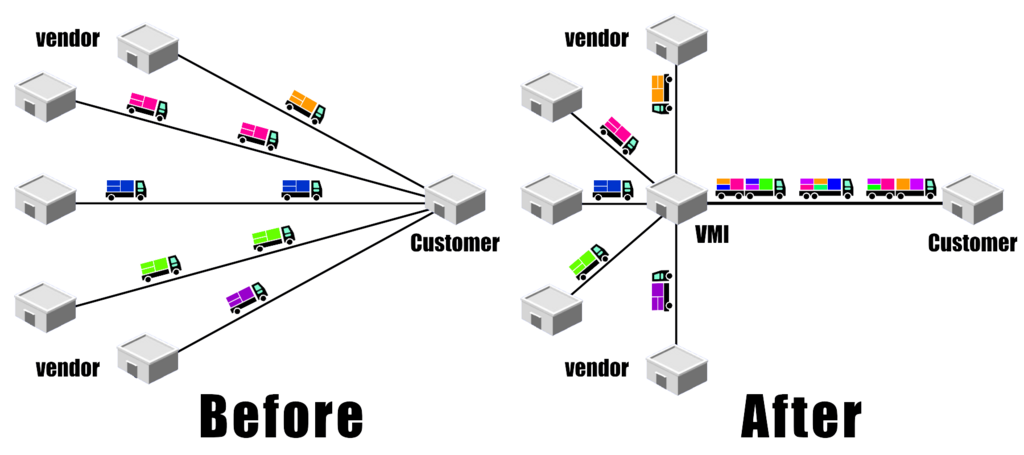
The immediate impact was a noticeable improvement in delivery times. Products that previously took weeks to arrive from international dropshipping partners could now reach customers in a fraction of the time. This enhancement made Zando's wider catalog more appealing and improved the overall customer experience.
Localized Strategy
Beyond logistics, Zando focuses heavily on curating its product selection to resonate with local tastes. The company secures exclusive partnerships with international and local brands, offering collections that can't be found elsewhere in the country. This helps create a sense of discovery and exclusivity for shoppers.
Zando also tailors its marketing to specific demographics within South Africa. Instead of broad, generic campaigns, they create targeted promotions and content that speak directly to the interests and styles of different consumer groups. This might involve collaborating with local influencers, running ads that reflect regional cultures, or curating fashion edits for specific holidays and events.
This localized approach, combined with a powerful and flexible logistics model, allows Zando to operate with the scale of a large retailer while maintaining the curated feel of a local boutique.
By blending a massive dropshipped catalog with a curated, fast-shipping selection of warehoused goods, Zando caters to both the shopper looking for something specific and the one who needs something now.
Let's review the key elements of Zando's modern business strategy.
Now, let's test your understanding of how Zando operates.
What is the primary advantage of Zando's hybrid retail model, which combines holding its own inventory with dropshipping?
The strategic partnership with Jumia Group primarily addressed which major challenge for Zando?
Zando's success demonstrates how a hybrid business model, supported by strong strategic partnerships and a deep understanding of the local market, can create a powerful competitive advantage in e-commerce.