YouTube's Early Growth Strategies
Frictionless Video Distribution
Making Video Just Work
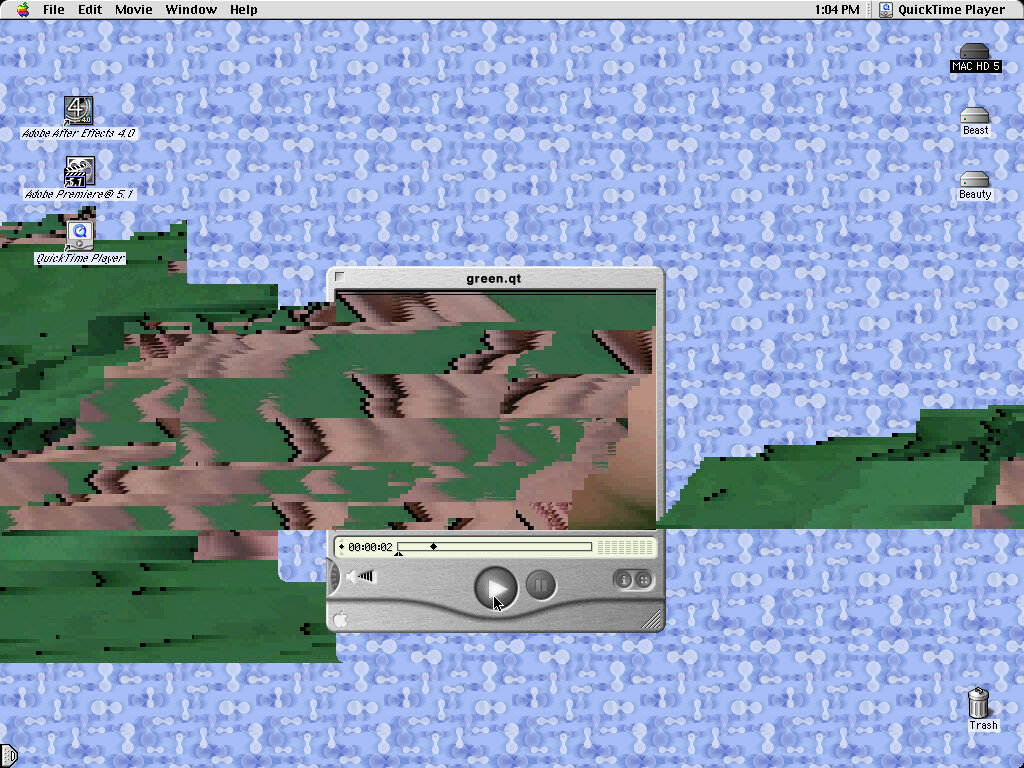
In 2005, watching a video online was often a frustrating experience. You would click a link, only to be met with a prompt asking you to download a specific program. The web was a battlefield of competing media players, primarily Microsoft's Windows Media Player and Apple's QuickTime. Each required its own browser plugin, and videos encoded for one wouldn't play on the other. If a creator wanted to reach the widest audience, they often had to offer multiple download links for the same video.
This created significant friction. For viewers, it meant installing, updating, and troubleshooting software just to watch a clip. For creators, it was a technical headache that limited their reach. YouTube's founders recognized that to make online video mainstream, they had to eliminate this barrier entirely.
YouTube’s early interface was simple: users registered, uploaded clips, and shared them via email or embedded links.
Their solution was to bet on a technology that was already everywhere: Adobe Flash Player. Instead of asking users to download a new player, YouTube used the one that was already installed on over 90% of web browsers at the time. When you uploaded a video to YouTube, it was automatically converted into a Flash-compatible format (.FLV). This masterstroke of strategy meant that for the vast majority of people, clicking a YouTube link resulted in the video simply playing. No downloads, no plugins, no error messages.
This decision single-handedly lowered the barrier to entry for both creating and consuming video content. It turned video from a niche, technical pursuit into a seamless part of the web experience. The focus shifted from 'Can I play this?' to 'What should I watch next?'
The Content Rabbit Hole
Once YouTube solved the playback problem, the next challenge was keeping viewers on the site. If a user finished a video and left, that was a missed opportunity. The solution was a deceptively simple module that would become one of the platform's defining features: the 'Related Videos' sidebar.
This wasn't powered by a complex neural network like today's recommendation engine. The first version of this algorithm was far simpler, relying on basic metadata provided by the uploader. When you watched a video, YouTube would scan its title, description, and tags. It would then find other videos with similar or identical keywords and present them in the sidebar.
If you watched a video tagged 'funny cat,' the sidebar would fill with other videos also tagged 'funny cat.' This created a 'rabbit hole' effect, encouraging users to click from one video to the next. It was a simple, yet incredibly effective, form of tag-based discovery that dramatically increased session duration. Creators quickly learned that choosing the right keywords was crucial for getting their videos discovered, kicking off the very first era of YouTube optimization.
By combining frictionless playback with a simple discovery engine, YouTube created a sticky platform that was easy to use and hard to leave. These two technical choices were fundamental to its explosive growth in its first year.