YouTube Virality Accelerator
Understanding Virality
The Psychology of Sharing
Why do we share a video? It's not a random act. Viral content taps directly into our emotions. We share things that make us feel something, whether it's laughter, shock, inspiration, or even anger. A video that evokes a strong emotional response creates an urge to pass that feeling on to others. Think of it as a conversation starter; you're not just sharing a video, you're sharing an experience.
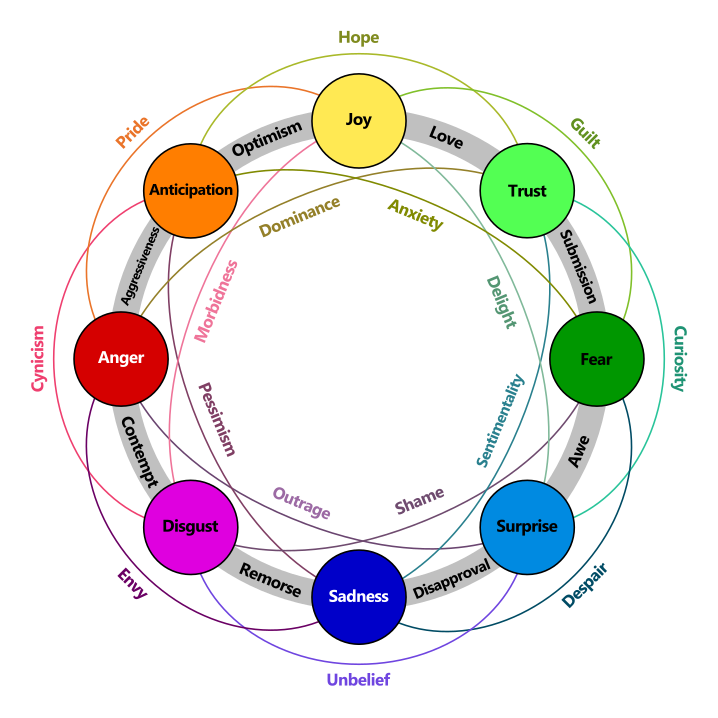
Beyond raw emotion, two other powerful psychological triggers are at play: relatability and novelty.
Relatability is the “that’s so me” factor. When content reflects our own experiences, thoughts, or struggles, it creates an instant connection. We share it because it validates our own lives and helps us feel understood. It's a way of saying, "See? I'm not the only one."
Novelty, on the other hand, is the power of surprise. Our brains are wired to pay attention to things that are new, unexpected, or unusual. A video that shows us something we've never seen before, or presents a familiar idea in a completely new way, is inherently shareable. We want to be the one to introduce our friends to something cool and different.
If there’s one defining trait of viral videos, it’s their ability to stir deep emotional connections—whether they make us laugh, cry, or gasp in amazement.
Catching the Wave
Timing can be the difference between a video that gets a few hundred views and one that gets a few million. A brilliant idea released at the wrong moment can easily get lost in the noise. Virality often involves tapping into a conversation that is already happening.
This is where trends come in. Trends are shared moments of collective attention, like a popular meme, a global news story, or a social media challenge. Creating content that connects to a current trend provides a built-in audience and relevance. The key is not just to copy what everyone else is doing, but to add your unique perspective or a creative twist to the ongoing conversation.
Being aware of the cultural calendar is also important. Holidays, seasonal events, and significant anniversaries all create opportunities. Content that aligns with what's already on people's minds has a much higher chance of being noticed and shared.
Great content can be timeless, but viral content is almost always timely.
Speaking Their Language
A video doesn't need to appeal to everyone on the planet to go viral. In fact, some of the most shareable content is hyper-specific to a particular culture, community, or subculture. This is the power of cultural relevance.
When a video uses the slang, inside jokes, and shared experiences of a specific group, it creates a powerful sense of belonging. Viewers feel seen and understood, which makes them eager to share the content with others in their circle. It becomes a badge of identity, a way of saying, "This is for us."
Think about communities built around hobbies like gaming, specific professions like nursing, or shared identities like being a new parent. Content that nails the specific details of these worlds resonates deeply. It's authentic.
This approach can seem counterintuitive. By narrowing your focus, you aren't limiting your audience; you are creating a more passionate one. A video that strongly connects with a single, dedicated community is more likely to be shared intensely within that group, eventually breaking out to a wider audience who become curious about the buzz.
According to the provided text, what is the primary reason people share videos that evoke a strong emotional response?
A video that shows something a viewer has never seen before, or presents a familiar idea in a completely new way, is leveraging which psychological trigger?
Understanding these core principles—psychology, timing, and cultural relevance—is the first step toward creating content that people feel compelled to share.