YouTube Video Production Essentials
Understanding Video Production Basics
The Three Acts of Making a Video
Every video you see, from a blockbuster movie to a five-second clip on social media, goes through a similar creation process. This journey can be broken down into three distinct stages: pre-production, production, and post-production. Think of it like cooking a meal. Pre-production is gathering your ingredients and reading the recipe. Production is the actual cooking. Post-production is plating the dish to make it look perfect.
Skipping a stage, especially the planning in pre-production, is like trying to cook without a recipe. You might end up with something, but it probably won't be what you intended.
Pre-Production: The Blueprint
Pre-production is all about planning. It's the most critical phase because the decisions made here dictate everything that follows. A solid plan saves you time, money, and a lot of headaches down the road. This is where you finalize your idea, write a script, and assemble your team and equipment.
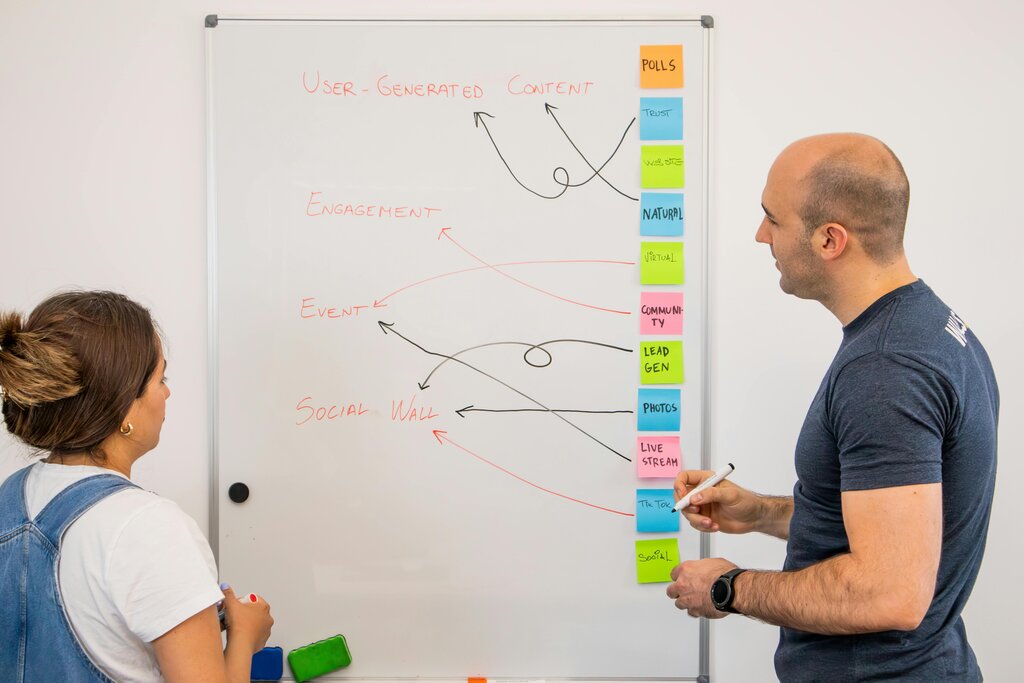
The script is your video's blueprint. It details what will be said, what will happen, and how it will look. Even for a simple video, a script provides structure and ensures you don't forget key points. It doesn't have to be a full-blown screenplay; even a detailed outline can make a huge difference.
Alongside the script, many creators use a storyboard. This is essentially a comic-strip version of your video, mapping out key shots. It helps everyone on the team visualize the final product before the camera even starts rolling.
Structure your video with a beginning, middle, and end.
On a larger production, you'll have a team of people with specific jobs. For smaller projects, one person might wear many hats. Understanding the key roles helps clarify what needs to get done.
| Role | Responsibility |
|---|---|
| Producer | Manages the project's logistics, including budget and schedule. |
| Director | Shapes the creative vision and guides the cast and crew. |
| Cinematographer | Manages the camera and lighting to create the video's look and feel. |
| Sound Engineer | Responsible for capturing clean, high-quality audio. |
| Editor | Assembles the footage in post-production. |
Production: Capturing the Moment
This is the stage everyone thinks of when they imagine making a video. Production is the process of actually filming. All the planning from pre-production comes to life as you capture the scenes, interviews, and B-roll footage you need.
Your main goal during production is to execute the plan. Follow the script and storyboard, but also be ready to adapt if something isn't working. This is where visual storytelling comes into play. The way you frame a shot can dramatically change how the audience perceives the scene.

Visual storytelling uses camera techniques to convey emotion and information without relying solely on words. Different camera shots serve different purposes:
- Wide Shot: Establishes the setting and shows where the action is taking place.
- Medium Shot: Typically shows a person from the waist up. It's great for conversations and showing body language.
- Close-Up: Focuses on a subject's face to show emotion or draws attention to a specific detail.
Post-Production: The Final Polish
Once filming is complete, you move into post-production. This is where the magic of editing happens. The editor takes all the raw footage and assembles it according to the script, creating a cohesive story. This involves cutting scenes, adding music and sound effects, adjusting colors, and creating graphics.
This stage is much more than just fixing mistakes. It's where the video's pacing and rhythm are created. A great edit can elevate good footage into a truly compelling video, while a poor edit can ruin even the best-shot scenes.
Video editing and post-production: Editing the video is a crucial step to ensure it looks professional and gets your message across effectively.
The editor works to make sure the story flows logically, the audio is clear, and the overall look is consistent. Once the final cut is approved, the video is exported and ready to be shared with the world.
Understanding these three stages—planning, filming, and editing—is the first step toward creating videos that not only look good but also tell a clear and engaging story.
Ready to test your knowledge?
Which of the following correctly lists the three stages of video creation in order?
In which stage of production would you create a storyboard and write a script?
With these fundamentals in place, you're ready to start thinking about the specifics of creating content for your audience.