YouTube Video Creation Essentials
Understanding YouTube Basics
The Lay of the Land
YouTube is more than just a website for cat videos. It's the second-largest search engine in the world, right after Google. People use it to learn, to be entertained, and to connect with communities. As a creator, your first job is to understand the environment you're stepping into. The platform has evolved significantly since it launched in 2005, from a simple clip-sharing site to a complex media ecosystem.
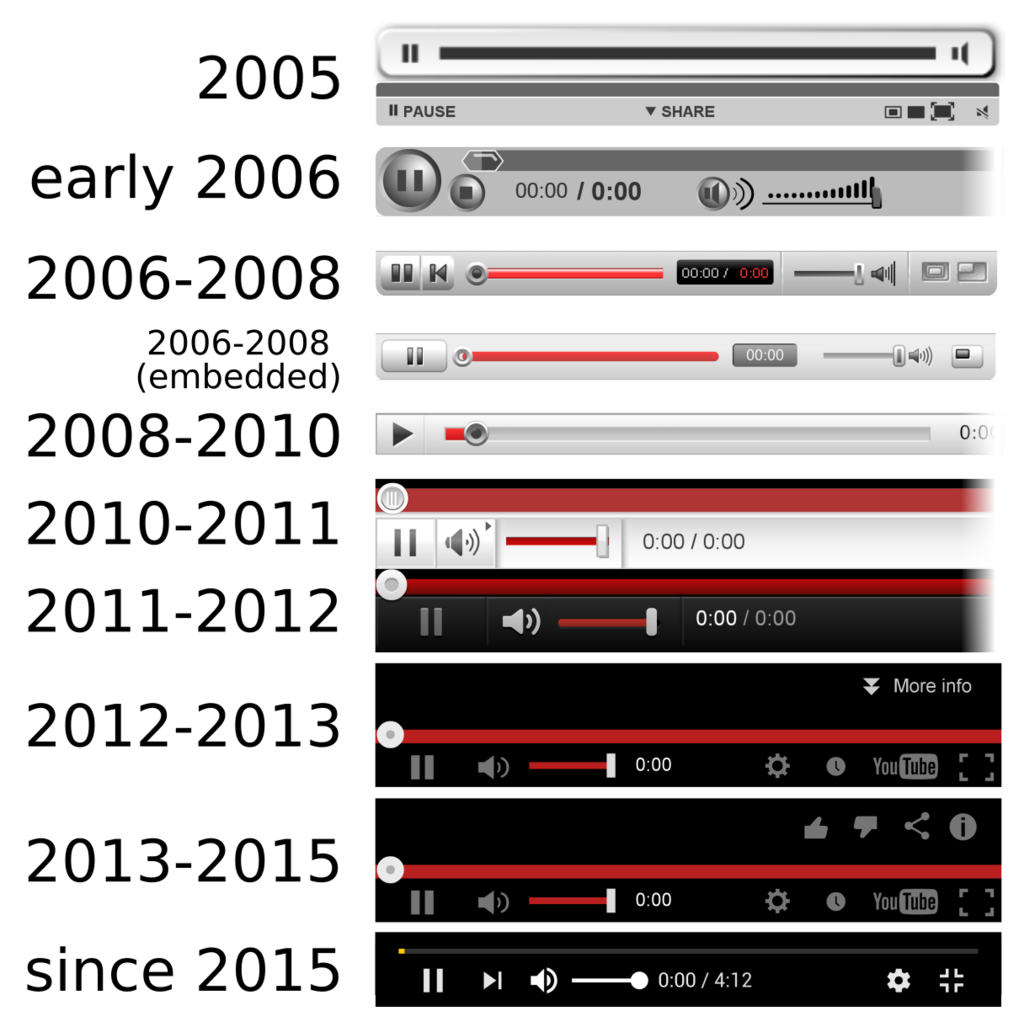
At its core, YouTube's interface is built around a few key areas:
- The Homepage: This is a personalized feed of videos YouTube's algorithm thinks a user will enjoy, based on their viewing history.
- Search: Users actively look for content here, from "how to fix a leaky faucet" to reviews of the latest smartphone.
- Subscriptions: This is where viewers can find the latest videos from channels they've subscribed to. It's your direct line to your most loyal audience.
- YouTube Studio: This is your creator dashboard. You'll upload videos, view analytics, and manage your channel from here.
Familiarizing yourself with these areas from a viewer's perspective is a great first step. See what kind of content gets recommended to you and how other creators organize their channels.
Successful YouTube video promotion starts with understanding how the platform works.
Understanding the platform itself is the first piece of the puzzle. The next is knowing who you're talking to.
Who Is Watching
Your potential audience on YouTube is massive and incredibly diverse. Billions of users log in every month from all over the world. This means you can find a niche for almost any topic imaginable. However, it's helpful to know some general trends about the user base.
| Age Group | General Behavior |
|---|---|
| 18-34 | Most active demographic; heavy users of mobile and consumers of entertainment, educational, and lifestyle content. |
| 35-54 | Growing user base; often search for how-to content, product reviews, and news. |
| 55+ | Fastest-growing demographic; watch a wide range of content, including news, hobbies, and family-related videos. |
These are just broad strokes. The real power comes from understanding your specific audience. Once you start uploading videos, YouTube Analytics will give you detailed information about your viewers' age, gender, geographic location, and what time of day they're most active.
This data isn't just a collection of numbers. It's a guide. If you find out most of your viewers are in a specific country, you might consider adding subtitles in their language. If they watch most on weekends, that's probably the best time to upload new content.
Playing by the Rules
YouTube is a community, and like any community, it has rules to ensure it remains a safe and positive place. Ignoring these can get your video removed, or even your entire channel suspended. It's crucial to understand them before you upload anything.
The two main sets of rules are the Community Guidelines and the Copyright Policies.
Community Guidelines cover what's not allowed on the platform. This includes things like hate speech, harassment, spam, and content that is violent or dangerous.
Think of the Community Guidelines as the basic rules of conduct. Before you post, ask yourself if your content could be harmful or misleading. YouTube takes these guidelines seriously and uses a combination of automated systems and human reviewers to enforce them.
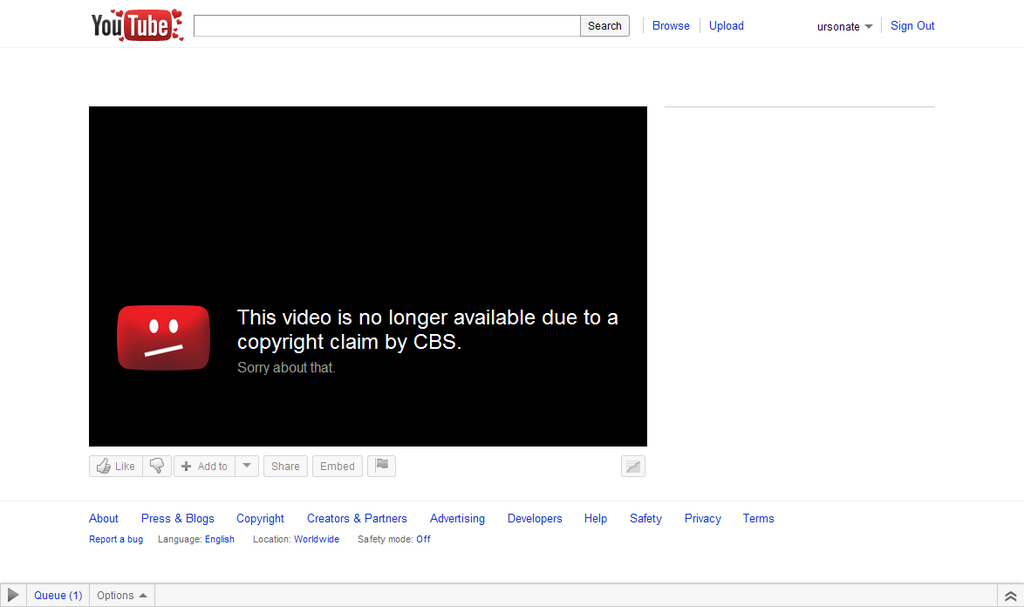
Copyright Policies are about protecting the intellectual property of others. You can't just use music, movie clips, or images that you didn't create or don't have permission to use. Doing so can result in a copyright strike against your channel.
Three copyright strikes, and your channel will be terminated. It's that simple. Always use royalty-free music and stock footage, or create your own assets. Fair use is a legal concept that allows for limited use of copyrighted material under certain circumstances, but it's complex and can be difficult to defend. It's safer to avoid using copyrighted material altogether when you're starting out.
Now that you have a foundational understanding of the platform, its users, and its rules, let's test your knowledge.
A few questions will help solidify these core concepts.
What is the primary purpose of the YouTube Homepage for a typical viewer?
If YouTube Analytics reveals that a large portion of your audience is from a specific country, what is a practical action you could take?
With these basics in mind, you're ready to start thinking about the kind of content you want to create.