YouTube Unpacked
YouTube's Founding
Three Friends from PayPal
Like many tech stories, YouTube’s begins with a few colleagues leaving a successful company to build something new. Chad Hurley, Steve Chen, and Jawed Karim were all early employees at PayPal. Hurley was a designer, while Chen and Karim were engineers. Their time at PayPal gave them valuable experience in building a user-friendly platform that could handle massive scale. It also gave them the financial runway, thanks to bonuses they received after eBay acquired PayPal, to chase a new idea.
The initial concept wasn't exactly the YouTube we know today. One popular story is that the idea was a video dating site called “Tune In, Hook Up,” where people could upload short videos introducing themselves. While this version of the story is debated, it points to the core problem the founders wanted to solve: there was no easy way to share videos online. Email attachments had tiny size limits, and hosting videos yourself was technically complex and expensive. They realized a simple, centralized platform for uploading and sharing clips had huge potential.
The founders pivoted from a niche dating concept to a broader, more powerful idea: a universal platform for sharing any video.
Me at the Zoo
The domain name YouTube.com was registered on Valentine's Day in 2005. A couple of months later, on April 23, 2005, the very first video was uploaded. It was titled “Me at the zoo” and featured co-founder Jawed Karim standing in front of the elephant enclosure at the San Diego Zoo.

The 18-second clip is incredibly simple. Karim briefly comments on the elephants' long trunks. That’s it. But its simplicity was its power. It wasn't a polished, professional production. It was just a regular person sharing a moment. This video set the tone for the user-generated content that would define YouTube’s early years and fuel its explosive growth. It showed that anyone could participate.
From the outset, YouTube’s value proposition hinged on empowering ordinary people—allowing anyone with an internet connection and basic recording equipment to reach a global audience.
The Google Acquisition
YouTube's growth was staggering. Within a year, the site was hosting millions of videos and getting tens of millions of views per day. It quickly became a cultural phenomenon, with viral videos becoming part of the public conversation. This rapid rise didn't go unnoticed. The platform was a clear threat to established media and a huge opportunity for tech giants.
Google, which had its own struggling video service at the time, saw the writing on the wall. Instead of trying to compete, it decided to acquire the clear market leader. In October 2006, just a year and a half after the first video was uploaded, Google announced it was buying YouTube for $1.65 billion in stock. It was a massive sum at the time for such a young company, but it proved to be one of the most successful tech acquisitions in history.
The acquisition gave YouTube the resources and infrastructure it needed to handle its incredible growth, from server costs to legal challenges. For Google, it was an entry into the future of online media, a future that was increasingly built on video.
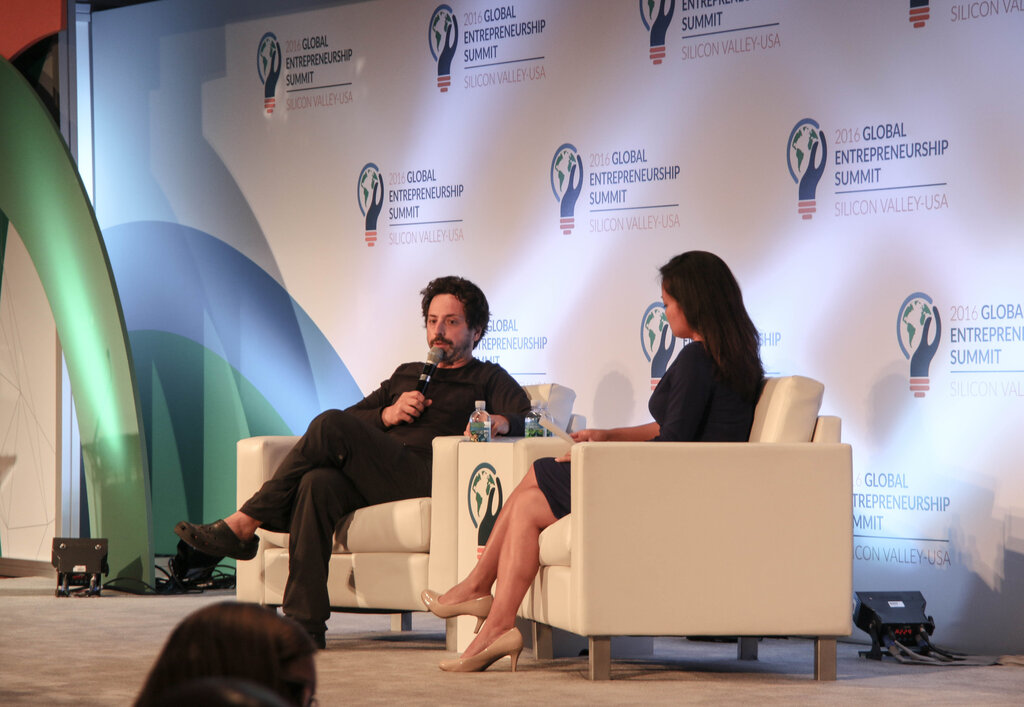
In 2006, she advocated for the $1.65 billion acquisition by Google of YouTube, which has grown to 2.5 billion monthly viewers.
Time to review what you've learned about YouTube's early days.
Before starting YouTube, the three co-founders were early employees at which successful tech company?
What was the subject of the very first video uploaded to YouTube, titled “Me at the zoo”?
With the backing of a tech giant and a clear mission to organize the world's video content, YouTube's foundational era was complete, setting the stage for its evolution into the global media powerhouse it is today.