YouTube to WhatsApp Lead Generation
Understanding Lead Generation
What Is Lead Generation?
At its core, lead generation is the process of sparking interest in your business's products or services. The goal is to identify potential customers and guide them toward making a purchase. A "lead" is anyone who has shown some level of interest, whether by downloading a guide, signing up for a newsletter, or asking for more information.
Think of it like fishing. You don't just cast a net randomly and hope for the best. Instead, you figure out what kind of fish you want to catch, find where they swim, and use the right bait to attract them. In digital marketing, lead generation is that strategic process of finding and attracting your ideal customers. Without it, a business has no consistent way to find new customers and grow.
How It Works
Most lead generation strategies follow a simple pattern: attract an audience, offer them something valuable, and in return, they provide their contact information. This initial exchange is the first step in building a relationship. The valuable item offered is often called a "lead magnet."
Lead Magnet
noun
A free item or service given away for the purpose of gathering contact details. Examples include free guides, checklists, templates, or consultations.
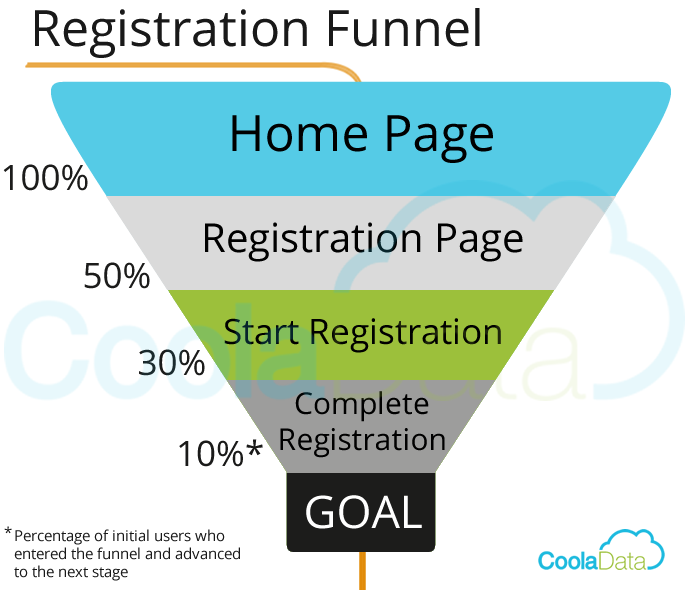
Once a person expresses interest by accepting the lead magnet, they become a lead. The business can then follow up, provide more information, and hopefully, turn that initial interest into a sale. This journey is often visualized as a funnel, where many people enter at the top, but only the most interested ones make it to the bottom.
Common Channels
Businesses use various digital channels to find and engage potential leads. The choice of channel depends on where the target audience spends their time. A successful strategy often involves using a mix of these channels to reach the widest possible group of relevant people.
| Channel | How It's Used for Lead Generation |
|---|---|
| Content Marketing | Creating blog posts, videos, or guides that solve a problem for the target audience, with a call-to-action to learn more. |
| Search Engines (SEO) | Optimizing a website to appear in search results when people look for relevant terms, attracting visitors who are actively seeking solutions. |
| Social Media | Running ads or posting engaging content that directs followers to a landing page where they can share their contact info. |
| Email Marketing | Building an email list and sending newsletters with valuable content and offers to nurture interest over time. |
| Paid Ads (PPC) | Placing ads on search engines or social media that target specific demographics and interests, leading users to a dedicated sign-up page. |
Let's review the key terms we've covered.
Now, check your understanding of these core concepts.
What is the primary purpose of lead generation?
Which of the following best describes a "lead" in the context of digital marketing?
With this foundation, you can start to explore specific tools and platforms to build your own lead generation system.