YouTube Success Rise and Fall Listicles
Understanding YouTube's Algorithm
The Recommendation Engine
YouTube's main goal is to keep viewers watching. To do this, it built a powerful recommendation system designed to find the right video for each person and keep them engaged. Think of it as a personal curator, constantly trying to predict what you'll want to watch next.
This isn't one single, mysterious algorithm. It's a complex set of systems working together. They analyze your viewing history, what you've liked, what you've skipped, and how long you watch things. It also looks at what's popular, what's trending, and what similar viewers are enjoying. The results of this work appear in two key places: your homepage and the "Up Next" suggestions that play after a video ends.
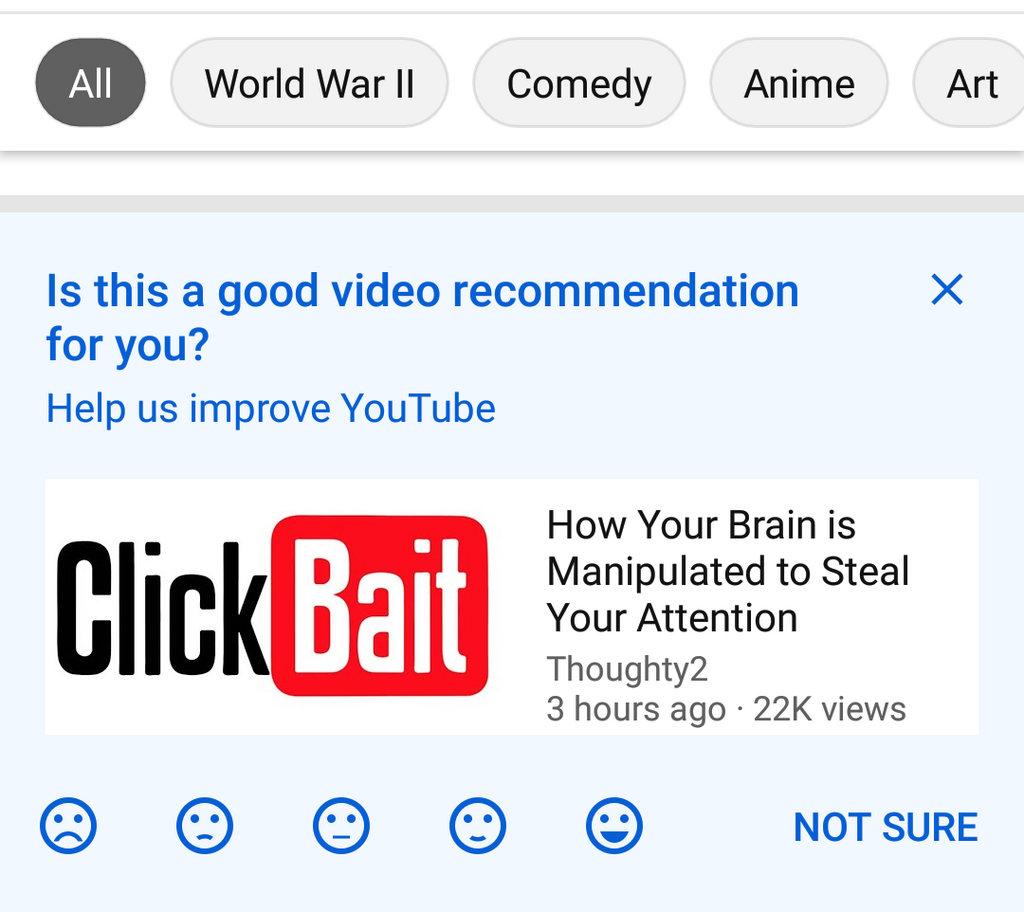
The system personalizes these recommendations for every single user. Your YouTube homepage will look completely different from anyone else's because it's tailored to your unique interests and viewing habits.
What the Algorithm Measures
The algorithm pays close attention to how viewers interact with videos. It tracks several key metrics to decide which videos to promote. Understanding these signals is the first step to creating content that the system favors.
In 2012, YouTube began prioritizing watch time and session duration, measuring how long a viewer stayed engaged with a video or continued watching subsequent videos on the platform.
The two most important signals are click-through rate and audience retention.
Click-Through Rate (CTR) is the percentage of people who click to watch your video after seeing it on their homepage or in suggestions. A high CTR tells YouTube that your video's title and thumbnail are compelling and grabbing attention.
Audience Retention measures how much of your video people actually watch. If viewers leave in the first few seconds, it signals that the video didn't deliver on its promise. High retention shows the content is engaging.
Other engagement signals like likes, dislikes, comments, and shares also matter. They provide direct feedback that the algorithm uses to understand a video's impact. A video with lots of comments, both positive and negative, is often seen as more engaging than a video with none.
Helping the Algorithm Find You
While viewer behavior is critical, the algorithm also needs to understand what your video is about in the first place. This is where metadata comes in. Metadata is the information you provide about your video, like its title, description, and tags.
Clear and accurate metadata helps YouTube's system correctly categorize your video and recommend it to relevant audiences.
Titles should be descriptive and include keywords people are likely to search for. A title like "How to Bake Sourdough Bread" is much more effective than "My Baking Adventure."
Descriptions are a place to provide more context. The first few lines are most important, as they appear in search results. You can include more keywords, explain what the video covers, and add links to related content.
Tags are additional keywords that help the algorithm understand your video's topic. You can include a mix of broad tags (like "cooking") and specific tags (like "sourdough starter recipe").
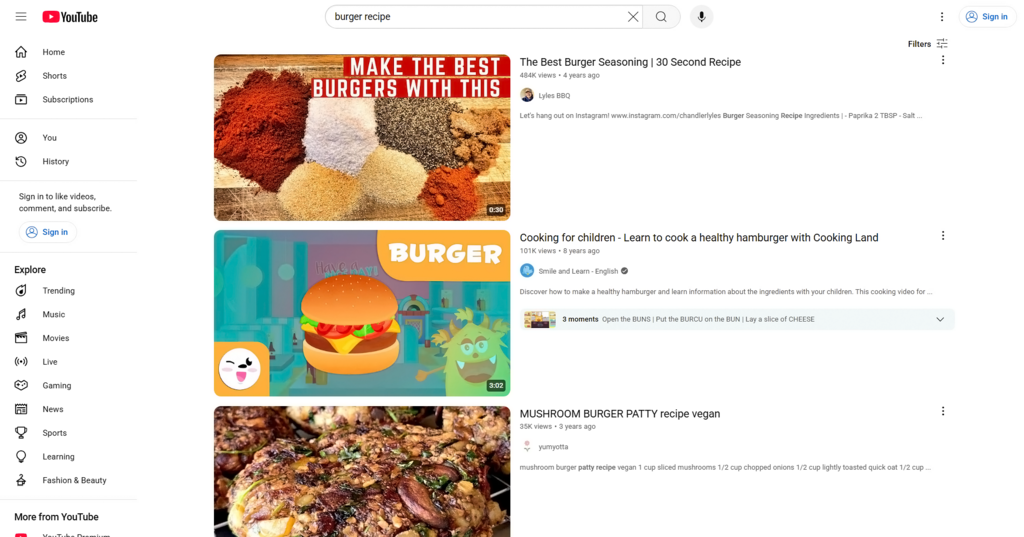
By combining strong viewer metrics with clear metadata, you provide the algorithm with the signals it needs to share your content with a wider audience.