YouTube Advertising Explained
Introduction to YouTube Advertising
More Than Just Videos
YouTube is one of the world's largest search engines and a massive entertainment platform. But it's also a powerful advertising ecosystem. With billions of logged-in monthly users, it offers an unparalleled opportunity for businesses to connect with a global audience. At its core, the system is a partnership between three groups: viewers who watch content, creators who make it, and advertisers who want to reach those viewers.
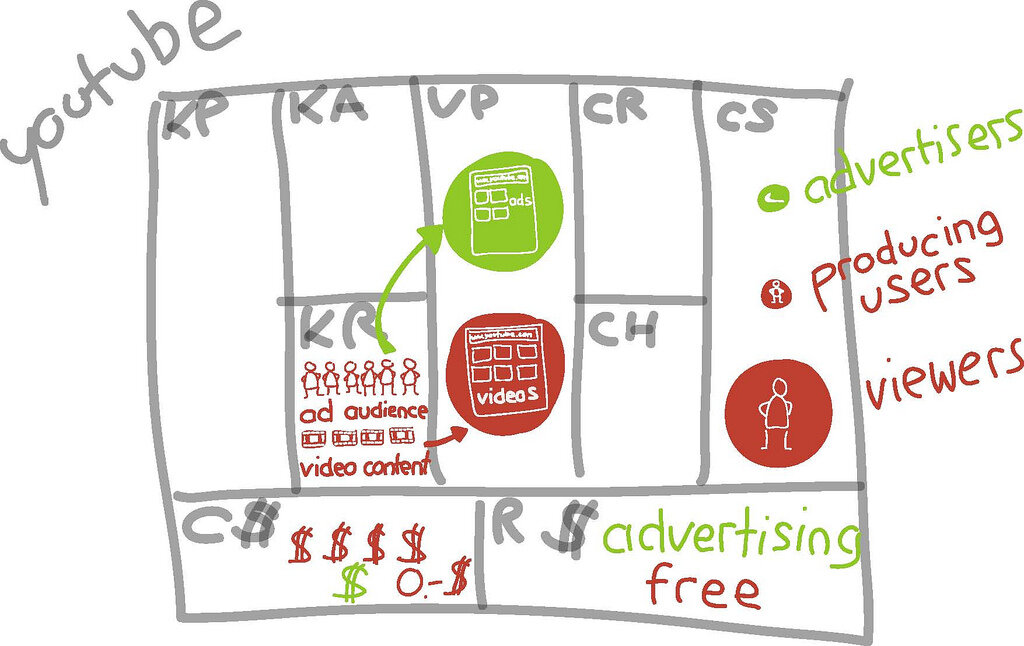
Advertisers pay YouTube to place their ads in front of specific audiences. In return, YouTube shares a portion of that ad revenue with the creators whose videos the ads run on. This model fuels the entire platform, funding creators and keeping the content free for viewers.
A Tour of Ad Formats
YouTube doesn't take a one-size-fits-all approach to ads. Different formats are designed to fit different user contexts and marketing goals. Some ads grab your attention before a video, while others appear more subtly as you browse. Understanding the main types is the first step to creating an effective campaign.
| Ad Format | Where It Appears | Key Feature |
|---|---|---|
| Skippable In-Stream | Before, during, or after videos | Viewers can skip after 5 seconds |
| Non-Skippable In-Stream | Before, during, or after videos | Must be watched in full (15-20 sec max) |
| In-Feed Video Ads | Search results, homepage feed | Appears as a video thumbnail & text |
| Bumper Ads | Before, during, or after videos | 6-second, non-skippable message |
| Masthead Ads | Top of the YouTube homepage | Large, banner-style ad for mass reach |
Each format serves a distinct purpose. A quick, 6-second bumper ad is great for building brand recognition without being too intrusive. In contrast, an in-feed ad targets users who are actively searching for something, making it ideal for driving clicks and conversions.
Choosing the Right Tool
Why does knowing the difference matter? Because your choice of ad format directly impacts your budget, your message, and how viewers perceive your brand. A non-skippable ad might guarantee your message is seen, but it could also annoy a viewer if it's too long or irrelevant. A skippable ad gives the viewer control, and you typically only pay if they watch a certain amount of it.
The best ad format depends entirely on your campaign goal. Are you trying to build broad brand awareness, generate sales leads, or simply get more views on your content?
Think of it like choosing the right tool for a job. You wouldn't use a sledgehammer to hang a picture frame. Similarly, you wouldn't use a massive homepage masthead ad if your goal is to reach a tiny, niche audience. Matching the format to your objective is fundamental to success on the platform.
The YouTube advertising model is primarily a partnership between which three groups?
An advertiser's main goal is to build brand awareness with a very short, memorable message that isn't too intrusive. Which ad format is best suited for this objective?
By understanding the different ad types, you can create a more strategic, cost-effective campaign that respects the viewer's time while still achieving your business goals.