Youth Tennis Development Fundamentals
Introduction to Youth Tennis
More Than Just a Game
Tennis is a fantastic sport for kids. It gets them running, jumping, and swinging, which is great for building strong muscles and a healthy heart. But the benefits go far beyond just physical fitness. Playing tennis helps develop crucial skills that will serve them well throughout their lives.
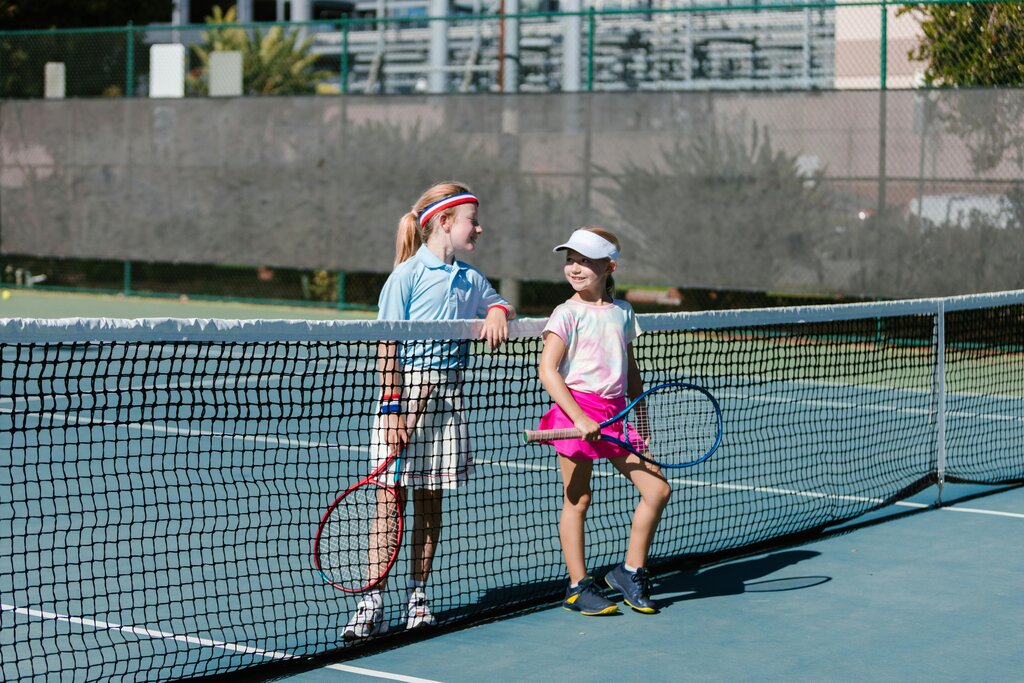
Every time a child tracks a ball and swings their racket, they're improving their hand-eye coordination. This is the ability to process information through the eyes and react with the hands, a skill that's useful in countless other activities, from writing to playing a musical instrument.
On the court, kids also learn valuable social skills. They learn to communicate with partners, follow rules, and practice good sportsmanship by congratulating an opponent on a good shot. It's a mini-lesson in how to interact respectfully with others.
Tennis helps build strong bodies, sharp minds, and lasting friendships.
Keep It Fun
The secret to getting a child to love tennis is to make it fun. At this age, the goal isn't to create a champion; it's to foster a lifelong enjoyment of being active. Pressuring a child with complex techniques or intense competition can quickly turn them off the sport.
Youth tennis programs often use equipment designed for kids, like smaller rackets, lower nets, and larger, slower-moving tennis balls. These modifications make it easier for children to hit the ball and have successful rallies, which builds their confidence and keeps them engaged.
Create a positive and supportive environment where kids feel comfortable taking risks, trying new things, and expressing themselves on the court.
Coaches often turn drills into games. Instead of just hitting forehands, they might play a game where kids try to knock over cones for points. This playful approach keeps children excited to come back to the court.
The Basics of the Game
At its core, tennis is a simple game. The main goal is to hit the ball over the net and into your opponent's side of the court. You win a point if your opponent fails to return the ball before it bounces twice or if they hit it outside the boundary lines.
The game starts with a serve, where one player hits the ball into the opponent's diagonal service box. After the serve, players rally back and forth until one of them misses. That's all a beginner needs to know to get started and have fun.
According to the provided information, what is the primary goal when introducing a child to tennis?
Which of the following is NOT a typical equipment modification used in youth tennis programs to make the game easier for children?