Youth Soccer Coaching Fundamentals
Coaching Foundations
More Than Just a Whistle
Your role as a youth soccer coach extends far beyond teaching kids how to kick a ball. You are a teacher, a mentor, an organizer, and a source of encouragement. The primary goal isn't to win every game, but to foster a love for the sport and help young players develop both on and off the field.
Your main job is to create a positive environment where every child feels valued and has fun.
As a coach, you'll wear many hats. You'll plan practices, communicate with parents, ensure equipment is ready, and most importantly, make sure every player is safe. It's a big responsibility, but also incredibly rewarding. You're shaping a child's early experience with sports, which can influence their attitude towards physical activity for years to come.
Communicate Clearly
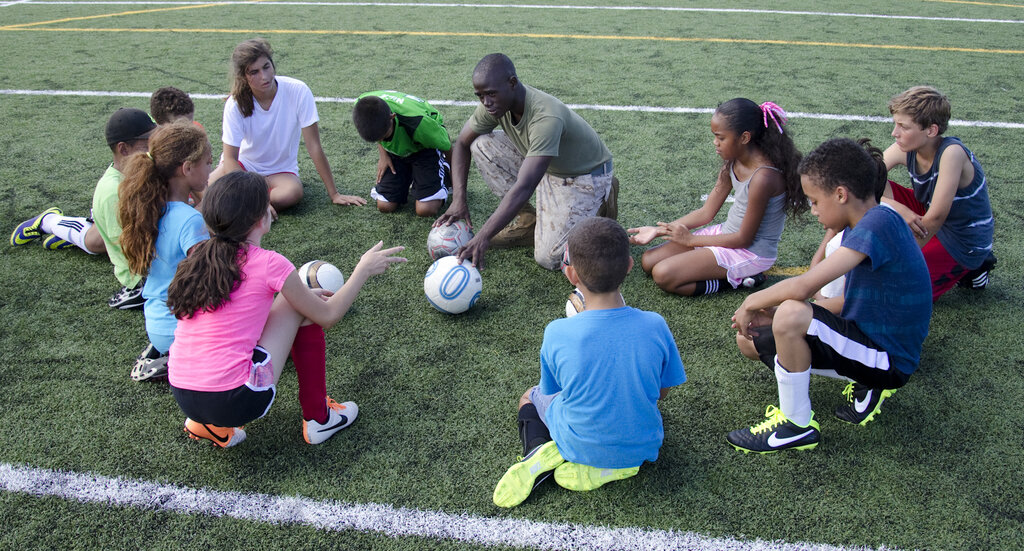
Communicating with young players requires a different approach than with adults. Keep your instructions simple, clear, and direct. Avoid long, complex explanations. It's often better to show than to tell. Demonstrate a skill yourself, or have a player demonstrate it, so everyone can see what to do.
Use positive language. Instead of saying “Don’t kick with your toe,” try “Let’s use the inside of our foot.” This focuses on the correct action rather than the mistake. Remember to listen, too. Ask players questions and pay attention to their answers, both verbal and non-verbal. Their body language can tell you a lot about how they're feeling.
Be patient. Learning takes time and repetition.
Create a Safe Space
A coach's number one priority is player safety, which includes both physical and emotional well-being. Physical safety means checking the field for hazards, ensuring players have the right gear, and not pushing them to play through an injury.
Emotional safety is just as important. Create an environment where children aren't afraid to make mistakes. Mistakes are a natural part of learning. Praise effort, not just results. Celebrate a player who tries a new move, even if it doesn't work out. Encourage good sportsmanship, like shaking hands with opponents and respecting the referee. This builds character and makes the game enjoyable for everyone.
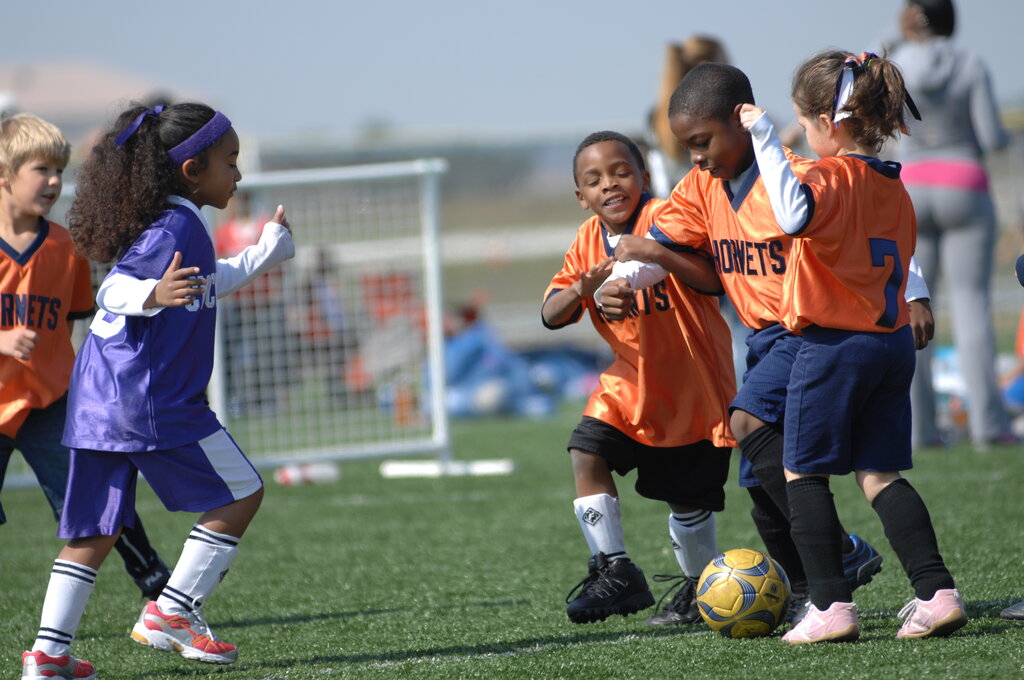
To be an effective coach, you also need to understand the basics of child development. A six-year-old is very different from a twelve-year-old. Younger children have shorter attention spans, are still developing coordination, and are very self-focused. They learn best through fun games and simple activities.
As children get older, they can handle more complex instructions and begin to understand team tactics. They become more aware of their peers and social dynamics. Tailor your coaching style to the age group you're working with. For younger kids, the focus should be on fundamental movement skills and having fun. For older kids, you can start introducing more structured drills and concepts of teamwork.
Be a Role Model
Your players are watching you. They will notice how you handle wins and losses, how you speak to referees and opposing coaches, and how you treat every player on the team. Your behavior sets the tone for everyone.
Show up with a positive attitude. Be enthusiastic and encouraging. Demonstrate fairness, respect, and integrity at all times. By modeling these values, you teach your players lessons that are far more important than soccer skills. You're helping them become good sports and good people.
What is the primary goal of a youth soccer coach, according to best practices?
When a young player makes a mistake, such as kicking the ball with their toe, what is the most effective way for a coach to provide feedback?
Building a strong foundation as a coach is about creating a positive, safe, and fun learning environment where every child can thrive.