Youth Empowerment Program Design
Understanding Youth Empowerment
What Is Youth Empowerment?
Youth empowerment is a process where young people are encouraged to take charge of their lives. It involves creating an environment where they can make decisions, act on them, and see the results. This isn't just about giving them tasks; it's about providing the support, skills, and confidence they need to shape their own futures and influence their communities.
Think of it as moving from the passenger seat to the driver's seat. An empowered young person doesn't just go along for the ride. They have a hand on the wheel, a say in the destination, and the ability to navigate the journey. This process recognizes that young people are not just future leaders, but valuable contributors to the present.
Empowerment has been described as the democratization of the development process in which people are empowered so that they are involved in decision-making, implementtion and monitoring processes for socio-economic transformation.
Why It Matters
Empowering youth is essential for building healthy, thriving societies. When young people feel valued and capable, they are more likely to invest in their own development and the well-being of their communities. They bring fresh perspectives, creativity, and energy to solving problems, from local issues to global challenges.
By fostering empowerment, we help develop a generation of engaged citizens who are prepared to lead, innovate, and contribute. This creates a positive cycle: empowered youth become capable adults who then create opportunities for the next generation. It's a long-term investment in a more equitable and resilient future.
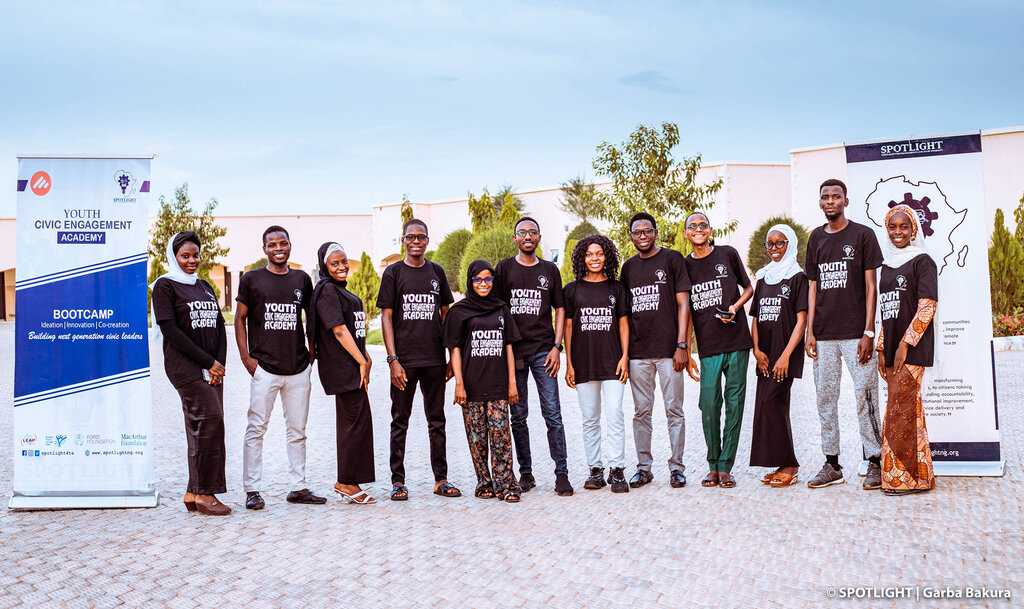
Core Principles
Effective youth empowerment is built on a few foundational ideas. These aren't rigid rules, but guiding principles that create the right conditions for growth.
First is promoting autonomy. This means giving young people the space to make their own choices and learn from the outcomes, both good and bad. It's about respecting their ability to think for themselves and manage their own responsibilities.
Next is fostering a sense of belonging. Young people thrive when they feel connected to a supportive community. Creating safe, inclusive environments where they feel accepted and understood is crucial. This sense of security gives them the confidence to explore their potential.
Finally, encouraging active participation is key. This goes beyond simply asking for opinions. It means genuinely including young people in the decision-making processes that affect them. Their voices need to be heard, valued, and integrated into planning and action.
The Ripple Effect
When youth are empowered, the benefits extend far beyond the individuals themselves. There's a positive ripple effect that strengthens families, communities, and society as a whole.
| Individual Benefits | Community Benefits |
|---|---|
| Enhanced self-esteem and confidence | Increased civic engagement |
| Improved decision-making skills | Stronger social cohesion |
| Greater sense of purpose | More innovative problem-solving |
| Better academic and career outcomes | Healthier, more resilient communities |
Ready to check your understanding? Let's review what we've covered.
What is the primary goal of youth empowerment?
The provided text uses a 'driver's seat' analogy. What does this analogy primarily illustrate?
Understanding these core ideas is the first step toward creating meaningful opportunities for young people to grow and lead.