Your Professional Online Portfolio
Understanding Personal Websites
Your Corner of the Internet
A personal website is your own dedicated space online. Think of it as a home base for your professional life. It's a place where you can collect your best work, share your story, and show people what you're capable of. Unlike a social media profile, you control everything—the design, the content, and the first impression you make.
Your personal website is like your digital resume, portfolio, and public persona wrapped up in one easy-to-use package.
Whether you're a designer, writer, developer, or marketer, a personal site serves as a portfolio. It's a central hub that proves you can do what your resume says you can do. For potential employers or clients, it’s a direct window into your skills and accomplishments.
Why It Matters for Your Career
Having a personal website gives you a significant professional edge. First, it puts you in control of your personal brand. When someone searches your name, your website can be the first thing they see, allowing you to shape the narrative about your skills and experience.
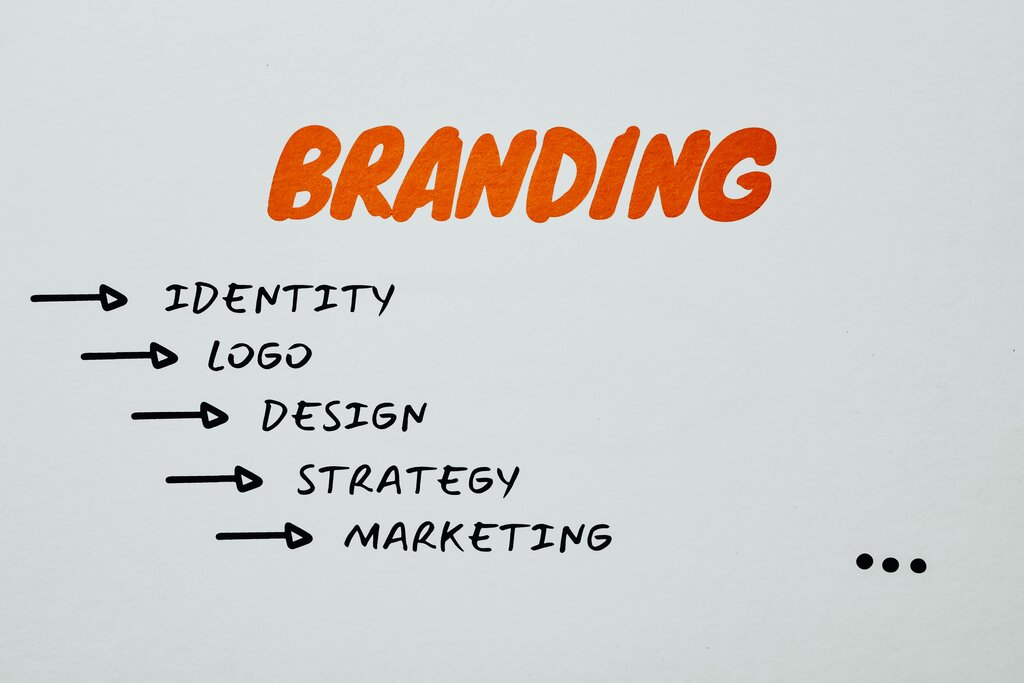
It also makes you more visible. Recruiters and clients are constantly looking for talent online. A well-crafted site helps them find you and immediately understand the value you offer. It’s an opportunity to stand out from a stack of text-only resumes.
Most importantly, it’s a platform to showcase your work in detail. You can go beyond a bullet point on a resume and walk visitors through your projects. Explain your thought process, the challenges you faced, and the results you achieved. This depth provides powerful proof of your abilities.
What Makes a Great Site
An effective personal website doesn't need to be complicated. It just needs to be clear, professional, and easy to navigate. Think about what you want a visitor to do. Should they view your work? Read about your background? Get in touch? Every element should guide them toward that goal.

Good design builds trust. Your site should be visually appealing, with a clean layout, readable fonts, and a consistent color scheme. The user experience (UX) is just as important. A visitor should be able to find what they're looking for without any confusion. This means logical navigation, fast loading times, and a design that works well on both desktop and mobile devices.
| Component | Purpose |
|---|---|
| Homepage | Makes a strong first impression and directs visitors to key sections. |
| About Page | Shares your professional story, skills, and personality. |
| Portfolio | Showcases your best work with visuals and detailed descriptions. |
| Contact Info | Makes it easy for potential employers or clients to reach you. |
Finally, the content should be focused and professional. Use clear, concise language to describe your projects and experiences. Your personal website is your chance to make a compelling case for yourself, so make every word count.
What is the primary professional advantage of having a personal website?
Compared to a social media profile, a personal website gives you more ______ over your professional brand.