Your Path to Becoming an Electrician
Electrician Roles Explained
Beyond the Light Switch
The term "electrician" covers a wide range of skilled professionals. While they all work with electricity, their day-to-day jobs can look vastly different. Think of it like the difference between a chef at a family diner and a pastry chef at a five-star restaurant. Both cook, but their environments, tools, and final products are worlds apart.
Electricians generally fall into three main categories based on their work environment: residential, commercial, and industrial. Each specialization requires a deep understanding of electrical principles, but the application of that knowledge varies significantly.
| Specialization | Typical Environment | Key Responsibilities |
|---|---|---|
| Residential | Homes, apartments, condos | Installation, repair, maintenance of wiring, outlets, lighting, and breaker panels. |
| Commercial | Offices, retail stores, schools | Larger-scale systems, conduit installation, fire alarms, security systems. |
| Industrial | Factories, power plants, manufacturing facilities | High-voltage systems, motors, generators, complex control machinery. |
The Three Core Roles
Regardless of specialization, an electrician's work usually involves one of three core functions: installation, maintenance, or repair.
Installation is about building from scratch. An installation electrician might wire an entire new house, run conduit through a new office building, or set up the complex control systems for a new manufacturing line. They work from blueprints and schematics to bring an electrical system to life.
Maintenance is proactive. These electricians perform regular checks, testing, and servicing to prevent problems before they start. They might test circuit breakers in a hospital, inspect the wiring on a factory's robotic arm, or upgrade the electrical panel in an older home to meet new demands.
Repair is reactive. When something breaks, a repair electrician is called in to troubleshoot the problem and fix it. This requires strong diagnostic skills to quickly identify the source of a fault, whether it's a flickering light in an apartment or a massive motor that has shut down an entire assembly line.
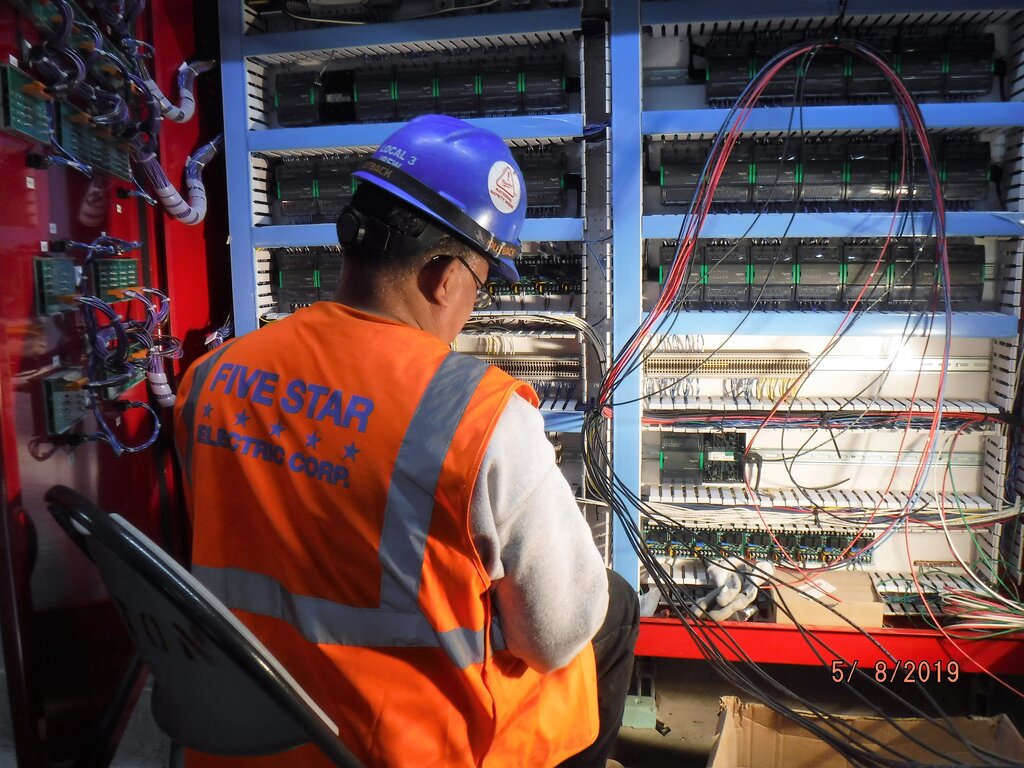
There's also a growing field of low-voltage electricians. These technicians, sometimes called VDV (Voice-Data-Video) installers, work with systems that use less than 50 volts. This includes things like internet cabling, security cameras, fire alarm systems, and home automation networks. While the risk of shock is lower, the work demands precision and a deep understanding of data transmission and network architecture.
Rules of the Trade
No matter the specialization, every electrician's work is governed by a strict set of rules designed to ensure safety and reliability. The most important of these is the (NEC). The NEC is a comprehensive set of standards for the safe installation of electrical wiring and equipment. It's not a law itself, but it's adopted into law by states and local municipalities across the United States.
Working safely is the most critical part of the job. Beyond the NEC, electricians must follow guidelines from the (OSHA). These regulations cover everything from wearing the correct Personal Protective Equipment (PPE), like insulated gloves and safety glasses, to following specific procedures for de-energizing a circuit before working on it, a process known as lock-out/tag-out.
Ultimately, an electrician's role is to safely and effectively apply the principles of electricity in the real world. Whether they're wiring a new skyscraper, troubleshooting a faulty circuit in a home, or maintaining the massive motors that power a factory, they are the essential link between power generation and our modern, electrified lives. A is considered a fully qualified professional who has completed their apprenticeship and can work independently.
Ready to test your knowledge about the different paths an electrician can take?
An electrician working from blueprints to wire a brand-new office building is primarily performing which core function?
What is the primary role of the National Electrical Code (NEC)?
Understanding these different roles is the first step in navigating a career in the electrical trade. Each path offers unique challenges and rewards, but all are built on a shared foundation of safety, skill, and a respect for the power they control.