Your Invisalign Journey Explained
Introduction to Clear Aligners
A Modern Way to Straighten Teeth
For many people, the thought of straightening their teeth brings to mind a mouth full of metal wires and brackets. But orthodontic treatment has evolved. Clear aligners, with Invisalign being one of the most well-known brands, offer a discreet alternative to traditional braces.
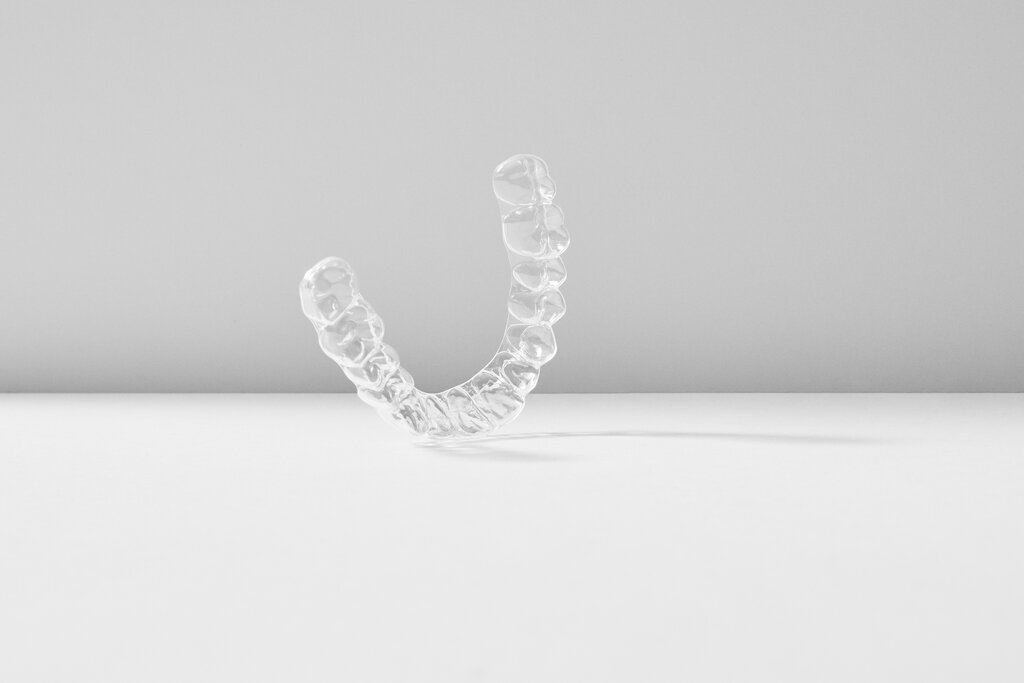
So, what are they? Clear aligners are a series of custom-made, transparent plastic trays that fit snugly over your teeth. Unlike braces, which are bonded to your teeth for the duration of treatment, aligners are removable. They are designed to be nearly invisible, making them a popular choice for adults and teens who want a less noticeable way to improve their smile.
Aligners vs. Braces
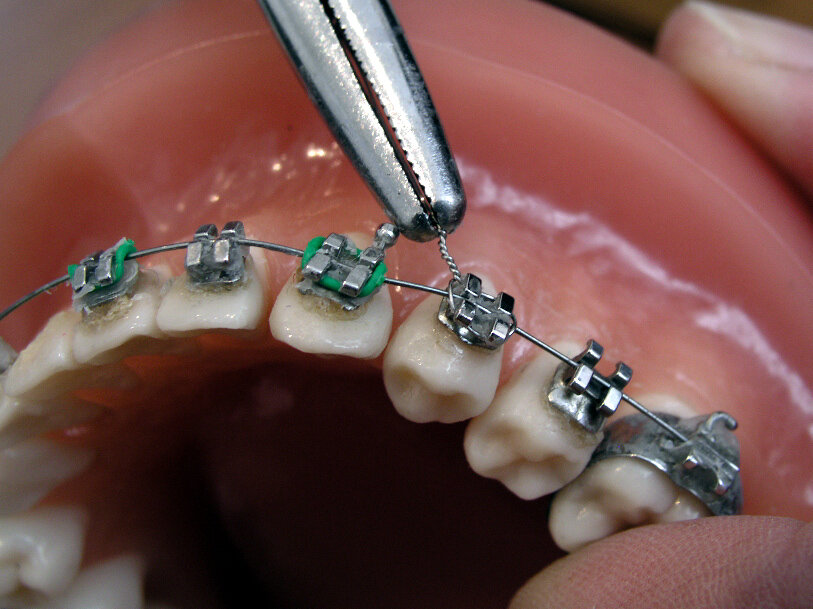
The most obvious difference between clear aligners and traditional braces is their appearance. Aligners are virtually invisible, while braces use metal or ceramic brackets and wires. This aesthetic advantage is a primary reason many people choose aligners. But the differences go beyond looks.
| Feature | Clear Aligners | Traditional Braces |
|---|---|---|
| Appearance | Nearly invisible | Visible brackets and wires |
| Comfort | Smooth plastic, less irritation | Can irritate cheeks and gums |
| Removability | Removable for eating and cleaning | Fixed to teeth |
| Diet | No restrictions (when removed) | Avoid hard, sticky foods |
Comfort is another key factor. The smooth plastic of aligners generally causes less irritation to the cheeks and gums compared to the brackets and wires of braces. Perhaps the biggest functional advantage is that aligners are removable. You take them out to eat, drink anything other than water, and brush your teeth. This means there are no dietary restrictions, and maintaining oral hygiene is much simpler than trying to clean around fixed hardware.
How Do They Work?
Clear aligners work by applying gentle, controlled pressure to your teeth. The process starts with a digital scan of your mouth, which is used to create a precise 3D model of your teeth. Your orthodontist then maps out a complete treatment plan, showing the step-by-step transformation of your smile.
Based on this plan, a series of custom aligners is fabricated. Each aligner tray is worn for about one to two weeks before you switch to the next one in the series. Every new tray is shaped slightly differently, gradually and predictably guiding your teeth into their correct positions.
These aligners are constructed such that they will shift certain teeth in a pre-determined order incrementally, shifting your smile into its ideal position.
This method allows for precise control over not just the amount of movement per aligner, but also the timing of the movement. For each stage, only certain teeth are allowed to move, as determined by the orthodontic treatment plan for that particular stage.
What is a primary advantage of clear aligners compared to traditional metal braces, as described in the text?
How do clear aligners work to straighten teeth?