Your First YouTube Video A to Z
Video Planning
Before You Press Record
A great video feels effortless, but it's the result of careful planning. Just like a building needs a blueprint, a video needs a solid plan. Skipping this step is like trying to build a house without knowing how many rooms it has. The planning phase, or pre-production, is where you make the critical decisions that shape everything else.
Creating high-quality video content hinges on thorough planning and preparation.
Know Your Audience
Before you think about cameras or lighting, think about people. Who are you making this video for? The answer changes everything: your tone, your language, the examples you use, and even the platform where you share it.
A video for expert software developers will be very different from one for people just learning to code. A video for teenagers will use different humor and pacing than one for corporate executives. Trying to make a video for everyone often results in a video that resonates with no one.
To define your audience, ask yourself:
- Who am I trying to reach?
- What do they already know about this topic?
- What are their goals or problems?
- What kind of content do they usually watch?
Define Your Goal
Once you know your audience, decide what you want them to do, think, or feel after watching. Every video should have one primary goal. This is your video's purpose.
Are you trying to teach a new skill? Announce a product? Inspire people to donate to a cause? Persuade them to see a different point of view? Your goal is your compass. It keeps your message focused and prevents you from adding details that don't serve your purpose. A clear goal makes your video more effective and easier to create.
| Goal Type | Example Purpose |
|---|---|
| Educate | Teach viewers how to bake sourdough bread. |
| Inspire | Motivate people to start a community garden. |
| Entertain | Make viewers laugh with a short comedy sketch. |
| Persuade | Convince homeowners to install solar panels. |
Create a Blueprint
With your audience and goal in mind, it's time to map out the video itself. This is usually done with a script or a storyboard. A script is the backbone of your video, containing all the dialogue, narration, and key actions. Even if you plan to be spontaneous on camera, a bullet-point outline ensures you cover all your key messages in a logical order.
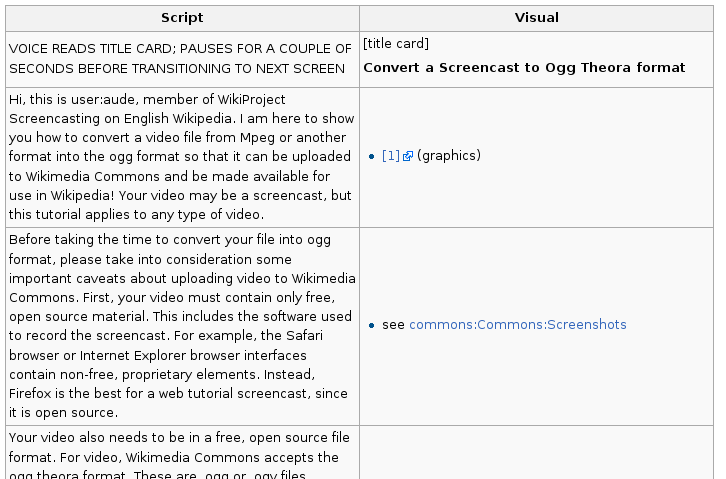
A storyboard takes this a step further. It's a sequence of drawings or images representing the shots you plan to film, with notes about camera angles, on-screen text, and sound. It helps you visualize the final product before you start shooting.
For simple videos, a script might be enough. For more complex projects with multiple scenes and visuals, a storyboard is invaluable for keeping the entire crew on the same page. Both tools force you to think through your video from beginning to end, ensuring a smooth and coherent story.
The pre-production phase of video creation is most similar to which of the following?
What is the primary risk of trying to create a video for 'everyone'?
Planning is the foundation. By knowing your audience, defining your purpose, and creating a script or storyboard, you set yourself up for a smooth production process and a final video that hits the mark.