Your First Year as an Outpatient Physical Therapist
Clinical Reasoning
The Art of Clinical Detective Work
Clinical reasoning is the thought process that physical therapists use to evaluate and manage patient care. It's not about memorizing facts from a textbook; it's about applying that knowledge to a unique individual who has walked into your clinic. Think of it as being a detective. A patient presents a case with a set of clues—their symptoms, their story, and how their body moves. Your job is to analyze these clues, form a hypothesis, and develop a plan to solve the case.
This process is dynamic. It starts the moment you meet a patient and continues throughout their entire course of care, adapting as new information comes to light.
Gathering the Clues
Every clinical reasoning process begins with a thorough assessment. This is where you gather all the information you need to start forming your hypothesis. The assessment is typically broken down into two main parts: the subjective and the objective.
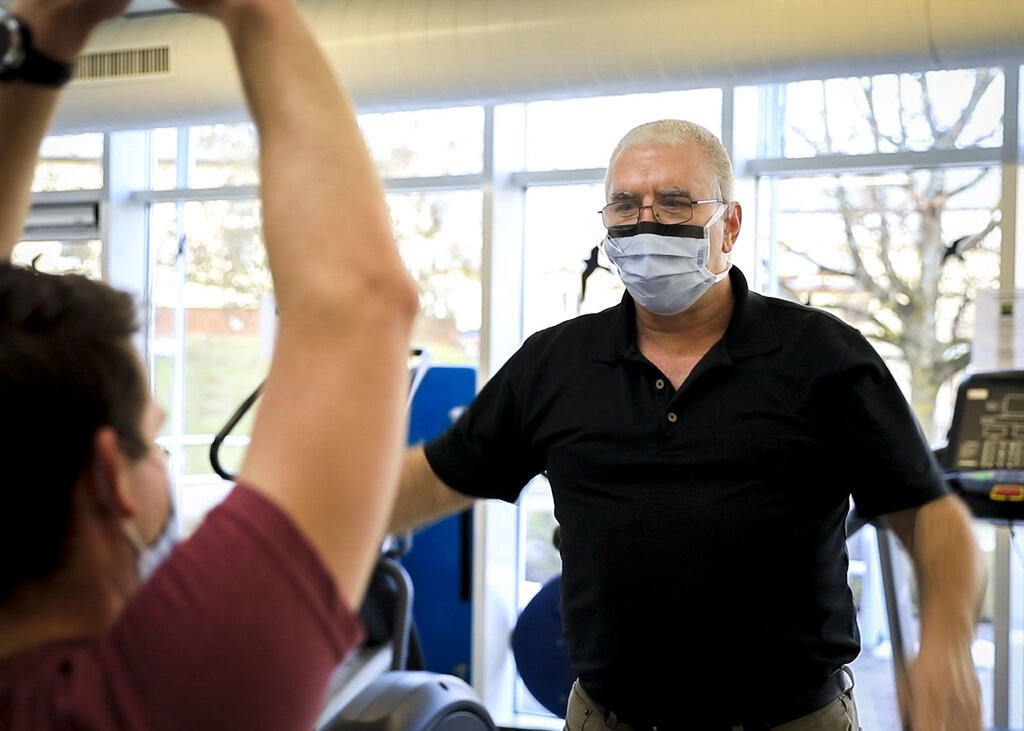
The subjective assessment is the patient's story. You'll ask questions to understand their pain, what makes it better or worse, their medical history, and their goals. What do they want to get back to doing? Running a marathon? Playing with their grandkids? This information is crucial because it provides context for their physical problem.
The objective assessment is what you, the therapist, can observe and measure. This includes:
- Observation: Looking at their posture and how they move.
- Range of Motion: Measuring the movement in their joints.
- Strength Testing: Assessing muscle strength.
- Special Tests: Performing specific maneuvers to test for particular conditions.
Creating a List of Suspects
After gathering your clues, you begin to form a differential diagnosis. This is a list of all the possible conditions that could be causing the patient's symptoms. It’s like creating a list of suspects in a mystery. You don't just jump to one conclusion. Instead, you consider multiple possibilities.
The goal is to systematically rule out diagnoses until you are left with the most likely one. This prevents you from missing something important and ensures your treatment is targeted correctly.
For example, consider a patient with shoulder pain. Based on your assessment, your differential diagnosis might look something like this:
| Potential Diagnosis | Supporting Clues from Assessment |
|---|---|
| Rotator Cuff Strain | Pain with lifting the arm, weakness in specific muscles, positive special tests for the rotator cuff. |
| Shoulder Impingement | Pain in a specific arc of motion, tenderness over the front of the shoulder. |
| Biceps Tendinitis | Pain located at the front of the shoulder, pain with specific resistance tests for the biceps. |
| Cervical Radiculopathy | Neck pain, numbness or tingling down the arm, symptoms change with neck movements. |
By comparing the patient's specific signs and symptoms to the typical presentation of each condition, you can narrow down the possibilities and arrive at a working diagnosis.
Building the Treatment Plan
Once you have a working diagnosis, the next step is to create a treatment plan. This is where evidence-based practice (EBP) comes in. EBP is the thoughtful integration of three key components:
Here's how it works in practice:
- Best Research Evidence: What does the scientific literature say is the most effective treatment for this condition?
- Clinical Expertise: How does your own experience and skill set inform your decision? You might modify an exercise based on what you've seen work for similar patients.
- Patient Values & Goals: What is important to the patient? A treatment plan for a professional athlete will look different from one for a retiree who wants to garden without pain.
In line with an evidence-based approach to practice, the OAR should be used in conjunction with clinical reasoning and judgment.
Combining these three elements ensures that the treatment plan is not only effective but also personalized and meaningful to the patient. Clinical reasoning is a skill that develops with practice and reflection. By mastering this process, therapists can confidently navigate complex patient cases and provide the highest quality of care.
What is the primary function of clinical reasoning in physical therapy?
During a patient evaluation, which of the following is considered part of the subjective assessment?