Your First Vegetable Garden
Site Selection
Follow the Sun
Before you buy a single seed packet or turn over a shovelful of soil, the most important decision you'll make is where to put your garden. The right spot can mean the difference between a bountiful harvest and a frustrating season. Of all the factors to consider, one stands above the rest: sunlight.
Grow vegetables in a location that gets at least 8 hours of direct sun every day.
Most vegetable plants are sun-worshippers. They convert sunlight into energy through photosynthesis, which fuels their growth and produces the fruits, leaves, and roots we eat. A plant starved for light will be weak, spindly, and unproductive. For most vegetables, you need a minimum of 6 hours of direct, unfiltered sunlight each day. Eight hours or more is even better.
How can you be sure a spot gets enough sun? The best way is to observe it for a full day. Check on the proposed location in the morning, at noon, and in the late afternoon. Note when it first gets sun and when it finally falls into shadow. Remember that the sun's path changes with the seasons. A spot that's sunny in late spring might be shaded by a neighbor's house or a deciduous tree in the fall.
Keep an eye out for shadows cast by your house, garage, fences, and large trees. These are the most common culprits for a shady garden.
Water and Drainage
Once you've found a sunny spot, consider two other vital elements: water and drainage. Your garden will need consistent watering, especially during dry spells. Lugging heavy watering cans across a long distance gets old fast. Choosing a site near a spigot will make your life much easier.
Proximity to a water source saves time and energy, making you more likely to water consistently.
Just as important as getting water to your plants is ensuring excess water can get away. Good drainage means water soaks into the soil rather than pooling on the surface. Most plant roots need oxygen to survive, and waterlogged soil can suffocate them, leading to root rot. A relatively level spot is ideal, but a gentle slope can be fine. Avoid low-lying areas where water collects after a heavy rain. These spots may stay soggy for days.
Here’s a simple test to check drainage. Dig a hole about one foot deep and one foot wide, then fill it with water. Let it drain completely. Then, fill it again and time how long it takes for the water to disappear. If the water drains within a few hours, your drainage is excellent. If it takes more than 8-10 hours, you may have a drainage problem that needs to be addressed.
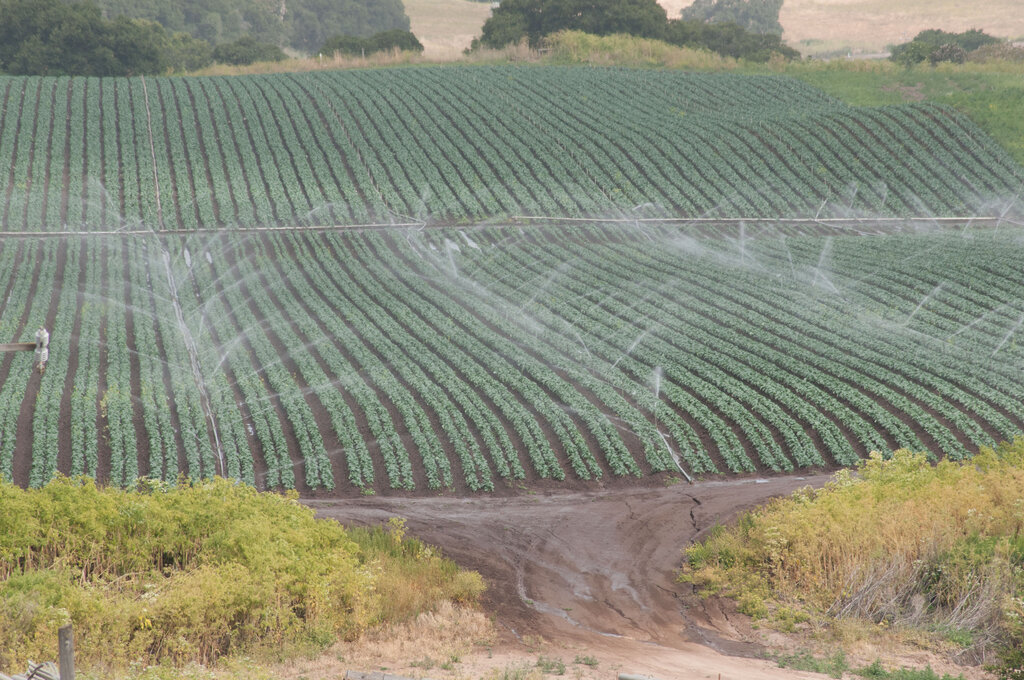
By taking the time to scout the perfect location—one with plenty of sun, good drainage, and easy water access—you set your garden up for success from the very beginning. It's a simple step that pays off all season long.
Ready to check your understanding? This quiz will cover the key factors for choosing the right garden spot.
What is the single most important factor to consider when choosing a location for a vegetable garden?
What is the minimum amount of direct, unfiltered sunlight most vegetable plants require each day?
Finding the right location is the foundation of a great garden. With these principles in mind, you're ready to pick a spot where your plants can truly thrive.